Diagrama de temas
-
Welcome to the Community Garden Leadership Program!
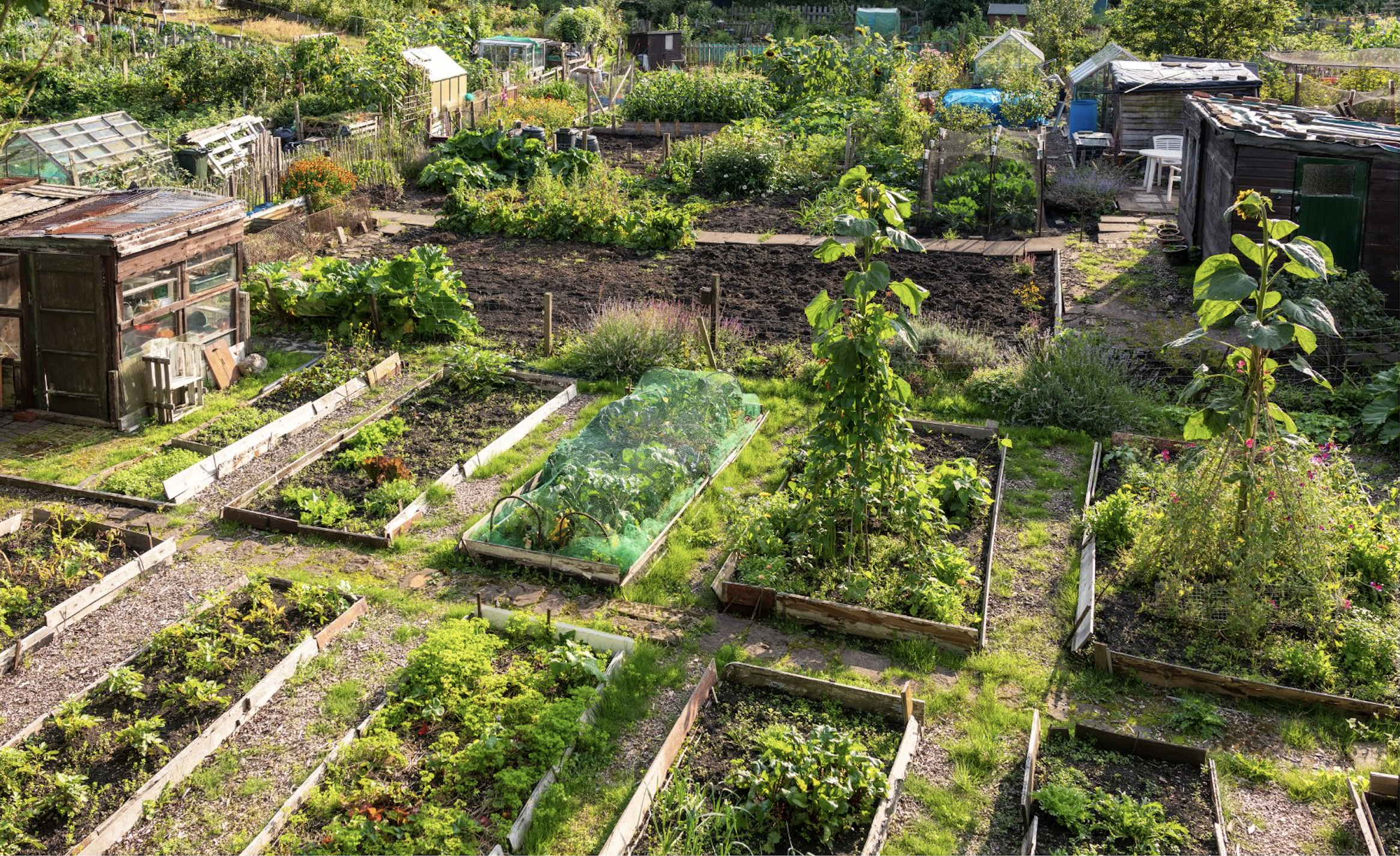
Check here each time you enter the course, for weekly announcements, additional information, and/or resources related to the upcoming week's topic and assignments, including links to Zoom meetings and their recordings. News & Announcements are posted periodically, and are also forwarded to your email. You will now find course documents, Reading Assignments and Moodle tips and tutorials at the bottom of this homepage.
-
Foro
-
Foro
-
Feel free to use this open forum to share ideas and resources with your classmates.
-
Recurso
Please review full course syllabus. Note, the zoom session dates listed in the course syllabus are reserved for guest lecturers and attendance is required for these sessions.
-
Please review the live zoom session schedule. These optional office hours sessions serve as another opportunity to connect with the course material, instructor and other program participants in real time. Each zoom session will be tailored to the needs of the group or individual(s) in attendance and recorded if relevant information is reviewed.
-
-
-
Welcome to the Community Garden Leadership program. You have been selected to participate in this pilot program because your passion for gardening, exceptional commitment to your community, and your eagerness to learn align with the programs goals. As an inaugural program participant, you also have the unique ability to tailor this learning experience to your interests. By engaging with the course material and offering meaningful feedback, you can help us strengthen this program and ensure you maximize your leadership enrichment through this course. We are excited to begin this journey together.
This introduction module will provide you with a course overview and general understanding of module structure. You will get familiar with the course platform, expectations and meet other members of your learning group and smaller cohort. Upon completion of this module, you will:
- Explore required Moodle functions
- Understand course requirements and expectations
- Connect with your learning group and cohort
Click on the title of this page for a complete course overview and more details about the course.
-
Página
-
Section I1 focuses on the basics of understanding the key Moodle features that you will use to complete assignments and access resource in this course. Click on the title “Section I1:Navigating Moodle” to access the page contents and complete the section objectives.
Objectives:- Use Moodle features to complete assignments
- Use Moodle features to navigate through course material
- Use Moodle features to access resources and key course information
-
Section I2 focuses on getting to know the Community Gardens Leadership cohort, and member of your specific learning groups. Each learning group is designed to connect you with peers who share your years of experience, goals for their gardens, have similar expertise and interests. Together, you will work towards your certifications by serving as resources and thought partners for one another. Click on the title “Section I2: Cohort Introductions” to access the page contents and complete the section objectives.
Objective:
- Introduce yourself to your instructor and cohort
-
Tuesday, November 4 at 4pm
-
-
September 28th – December 4th
-
-
Página
-
Section 1.1: The History and Significance of Community Gardens in Society
-
Community gardens have long served as vital spaces for connection, resilience, and cultural expression in society. Historically, they emerged to provide food security and strengthen communal ties during times of crisis, such as wartime, urban revitalization efforts or local epidemics. Culturally, they are a reflection of the diversity within communities, where traditions, recipes, and agricultural practices are shared and preserved. Beyond sustenance, community gardens foster a sense of belonging, empower marginalized groups, and create green spaces that enhance the well-being of individuals and neighborhoods alike.
Objectives:
- Discover which historic moments influence or relate to your community garden philosophy
- Understand community garden typology and their prevalence in urban areas within NYS
- Develop or refine a mission and vision statement for your community garden
Click on the title “Section M1.1: "The History and Significance of Community Gardens in Society” to access the page contents and complete the section objectives. -
Section 1.2: Discovering Organizational Purpose
-
Community garden leaders who embody the distinction between mission, vision, values and purpose by aligning each element can guide their efforts intentionally. The organizational values The purpose is the garden's "why"—its deeper reason for existing, such as promoting sustainability or building community connections. The vision is the inspiring "what"—a picture of what the garden aspires to become, like a flourishing, inclusive space where everyone contributes and benefits. The mission is the actionable "what"—the steps and strategies leaders use to organize resources, engage participants, and ensure the garden thrives. Leaders who clarify and differentiate these elements set a strong foundation for long-term direction and impact. Click on the title “Section M1.2: Discovering Organizational Purpose” to access the page contents and complete the section objectives.
Objectives:
- Understand the difference between mission, vision, values and purpose for an organization
- Reflect on mission alignment at your respective community garden
- Develop or refine a purpose statement for your community garden
Click on the title “Section M1.2: Discovering Organizational Purpose” to access the page contents and complete the section objectives. -
Section 1.3: Creating Welcoming Spaces
-
Community gardens become spaces of true welcoming and inclusion when garden leaders take intentional steps to create an environment where everyone feels valued and supported. As stewards of the garden's culture, leaders have the responsibility to foster collaboration, celebrate diversity, and ensure that all voices are heard and the garden meets its stated goals. Through their guidance, the garden becomes a space where people of all backgrounds and abilities can contribute meaningfully and experience the joy of belonging. This section is an introduction to these concepts that will be further explored in Module 2.
Objectives:
- Identify the elements of a welcoming and inclusive space
- Reflect on the role of a leader in creating an inclusive environment
-
Tarea
-
Module One Resources and More
-
Página
-
Glosario
-
-
-
Página
-
Section 2.1: Exploring Leadership Principles
-
Section 2.2: Community Organizing and Engagement for Garden Leaders
-
Section 2.3: Build Resilience as a Community Garden Leader
-
Section 2.4: Values-Based Approach to Community Garden Leadership
-
Module Two Resources and More
-
Página
-
Glosario
-
Página
-
-
-
Página
-
Section 3.1
-
Section 3.2
-
Module Three Resources and More
-
Página
-
Glosario
-
-
-
Página
-
Section 4.1
-
Section 4.2
-
Section 4.3
-
Section 4.4
-
Module Four Resources and More
-
Glosario
-