Overview of Section M1.3: Creating Welcoming Spaces
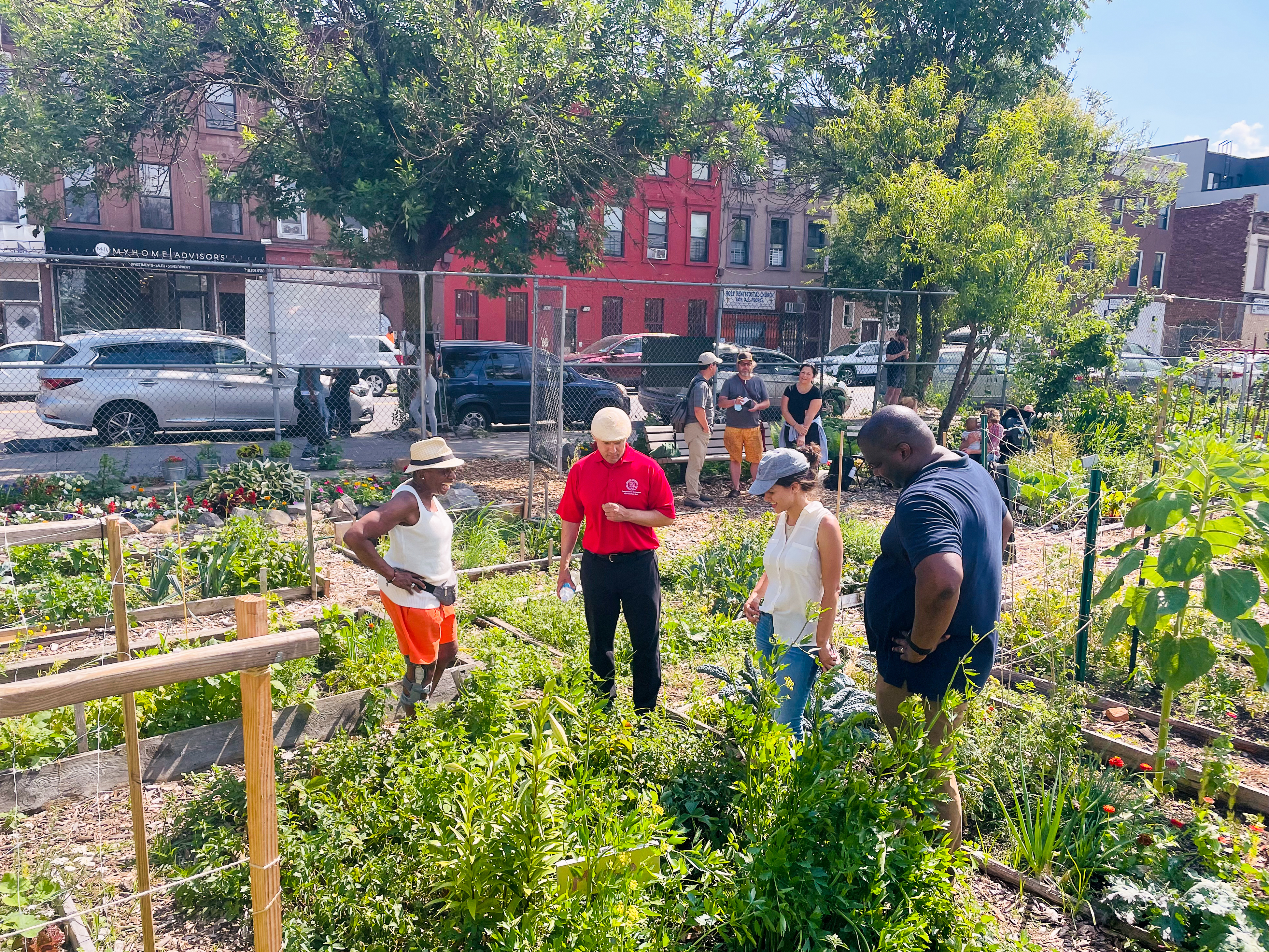
Community garden leaders hold a unique responsibility to create spaces where everyone feels welcome, valued, and empowered to participate. Achieving this requires not only thoughtful garden design and programming, but also an awareness of one's own social identities and how they influence leadership. Understanding the intersection of race, culture, ability, gender, and socioeconomic background is essential for cultivating a space that reflects the diversity of the community it serves. By intentionally developing operations and policies that prioritize inclusion, garden leaders can break down barriers, build trust, and ensure their gardens become thriving hubs of connection, learning, and growth for all participants.
Creating a welcoming space in a community garden involves inclusive design, communication and practices that cater to the diverse needs of participants. One key aspect is ensuring accessibility for individuals with varying physical abilities. Examples include:
Accessibility features such as wide, smooth pathways, raised garden beds, and accessible tools to accommodate gardeners who have limited mobility.
Providing tasks suited to different ability levels also encourages broader participation (University of California Cooperative Extension, 2020).
Cultural inclusivity is another critical component of fostering a welcoming environment. Understanding the cultural preferences and traditions of the community can inform decisions about crop selection and the organization of activities. Examples include:
Engaging participants in choosing plants that hold cultural or personal significance can deepen their connection to the garden and promote a sense of belonging (Cornell University Small Farms Program, 2021).
Allow a variety of cultivation practices in the garden, and have clear communication around maintaining shared-space considerations to minimize the impact of these practices on others.
Providing core communication, like signage in multiple languages ensure the space reflects and respects the community's diversity.
Building a sense of community through shared experiences can also enhance the welcoming nature of the garden. Organizing communal activities, such as group planting sessions, volunteer workdays, educational workshops, or shared meals, helps strengthen social bonds among participants. Creating informal opportunities for gardeners to interact, such as designated times for community member to visit, complete creative projects or harvest together, foster connections and a sense of belonging (University of Wisconsin-Extension, 2018). These efforts transform the garden into a true community hub, where participants not only grow food but also nurture relationships and shared purpose.