Overview of Section M1.1: The History and Significance of Community Gardens in Society
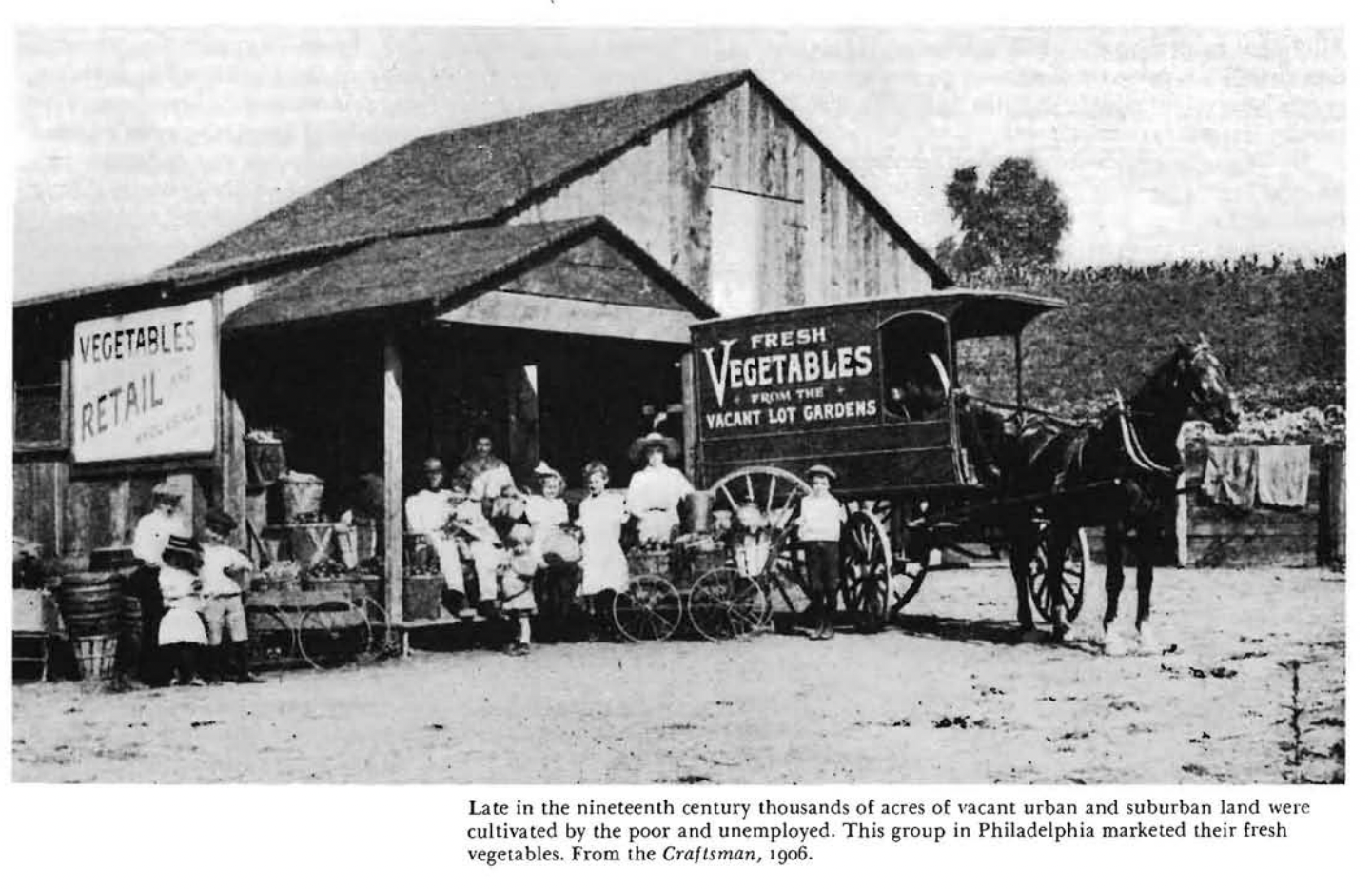
Community gardens, often regarded as vibrant hubs of social interaction and green oases within urban landscapes, have a rich and storied history that reflects broader societal trends and transformations. Over the past century, these spaces have evolved from responses to economic hardship and urban decay to symbols of sustainability, community cohesion, and social justice. However, historians have been able to trace the history of community gardens in New York back to the 1730’s. During that time, residents of New York City’s Almshouse steward communal gardens, both for therapeutic reasons and to offset the cost of their maintenance in the institution (Cobb, 2023). Throughout history, innovative New Yorkers have developed and tried many iterations of garden design and urban agriculture, many of which are still in use today like mobile grocers, pop-up gardens, demonstration/trial gardens, and school gardens (NYC PARKS, n.d.; Basset, 1981). Watch the video below to learn more.
From history we know that in New York, urban farms and community gardens have a shared origins and language, as “Farm Gardens” (NYC PARKS, n.d.), making it hard to find a distinction between the two, aside from commercial and non-commercial endeavors, under the context of urban agriculture. Throughout this module, you will explore garden typologies to begin reflecting on your garden's niche and impact. This reflection is critical as you step into mindful community garden leadership.
Next, move onto the first assignment Community Garden Typology.