Introductory Lesson: Theoretical Roots of Garden-Based Learning
Find additional research on the benefits of Garden-Based Learning at our "Sowing the Seeds of Success- Benefits & Research" page.
Foundations of Garden-Based Learning
This week we will dive into the the foundations of Garden-Based Learning, and the theory and research that provides evidence that school gardens work! Before we do, take a look as this historical perspective of school gardening. "The School Garden" from the USDA's National Agriculture Library.
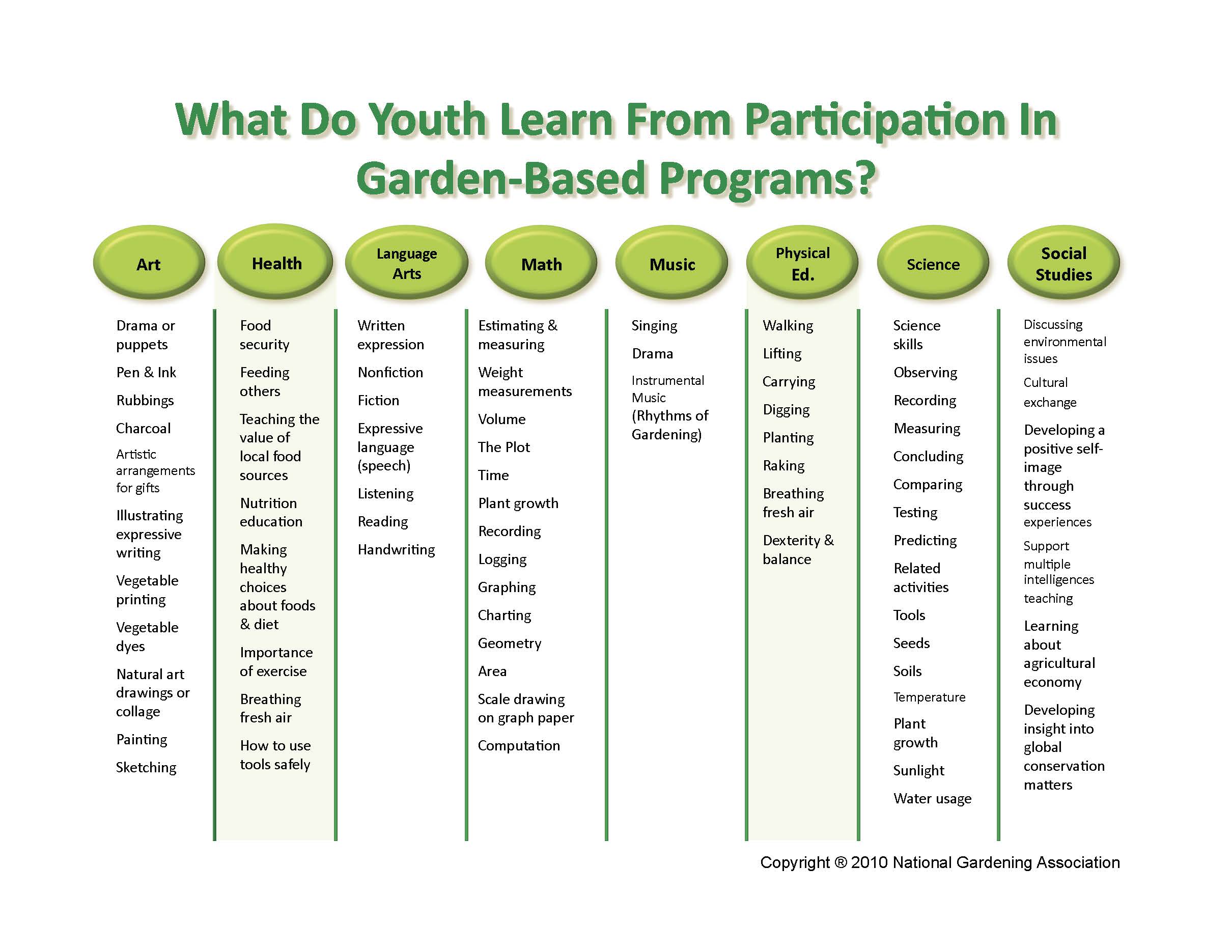
 Educators are realizing the benefits of place-based education, in which teachers and students use their community and schoolyard resources as classrooms for the study of mathematics, science, social studies, history, language arts and other content areas. According to the Place-based Education Evaluation Collaborative (PEEC), the research is evidence that “place-based education fosters students' connection to place and creates vibrant partnerships between schools and communities. It boosts student achievement and improves environmental, social, and economic vitality. In short, place-based education helps students learn to take care of the world by understanding where they live and taking action in their own backyards and communities” (PEEC. 2010).
According to Mooney (2000), Piaget believed that “children construct their knowledge by a process of meaning-making, using new information to increase their understanding by direct interaction with their environment [which is in alignment with] the exploratory and interactive learning within children’s gardens” (as cited in Wake, 2007, p. 34). Gardening in the schoolyard is the essence of place-based education, in that it conveniently exists on school grounds, is accessible for all students, and is just steps outside the classroom walls. Studies show “school gardens as a means of improving academic achievement, promoting healthy lifestyles, demonstrating the principles of stewardship, encouraging community and social development, and instilling a sense of place” (Bucklin-Sporer & Pringle, 2010, pp. 26-27). The National Environmental Education and Training Foundation (2000) reported that the environment, “from classroom to schoolyard to local nature centers and parks has been discovered by schools across the nation as a remarkably effective means to achieve our educational goals and to serve the needs of individual students (p.7).
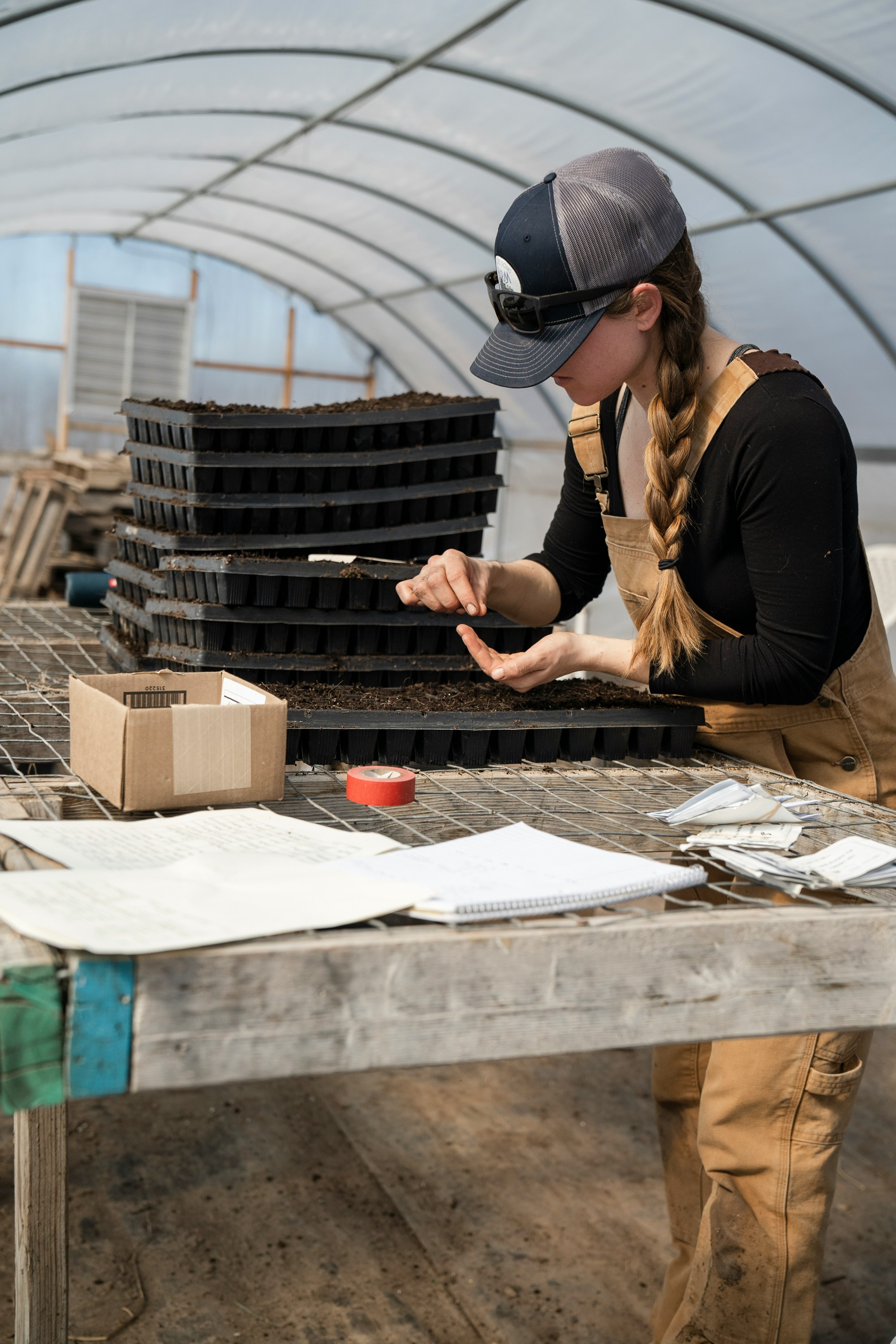
Environmentalists and theorists, even some schools and state-education departments are buying into the principles and benefits of garden-based learning. But does it really work? In reality, what are the learned outcomes and behavioral changes of our students? Later in this lesson we will learn through Cornell's research how gardening provides children, youth, adults and families opportunities to gain awareness and eat more fruits and vegetables, therefore promoting a more healthful lifestyle. photo by Zoe Richardson/Unsplash
Click on the grey button below to go to the next page of this lesson about the Benefits of School Gardening.