Part 2 diseases (and other problems) on new plants that came in
The greenhouse received a huge shipment of tropicals since my last scouting visit. The grower said they are often short on staff and time, and have to rush the new stock out onto the floor without being able to completely inspect anything first.
Since my last visit, they have made a couple of spot sprays on specific, target plants for mites. Unfortunately, they did not realize that the grower had also sent some bio-control predatory mites with the foliage plant shipment, so the spray that was used killed the beneficials and the pests. (We just read about this warning in the course work, and then I got to hear their story of how it actually happened in real life.)
The greenhouse has been getting warmer with the sunny days: low 68℉ - high 86℉
There is no gauge for humidity in the houses.
Ceiling/peak vents are manually operated, but have not yet been opened this winter.
A couple of fans placed above-the-head create air flow.
I was able to examine several plants and found:
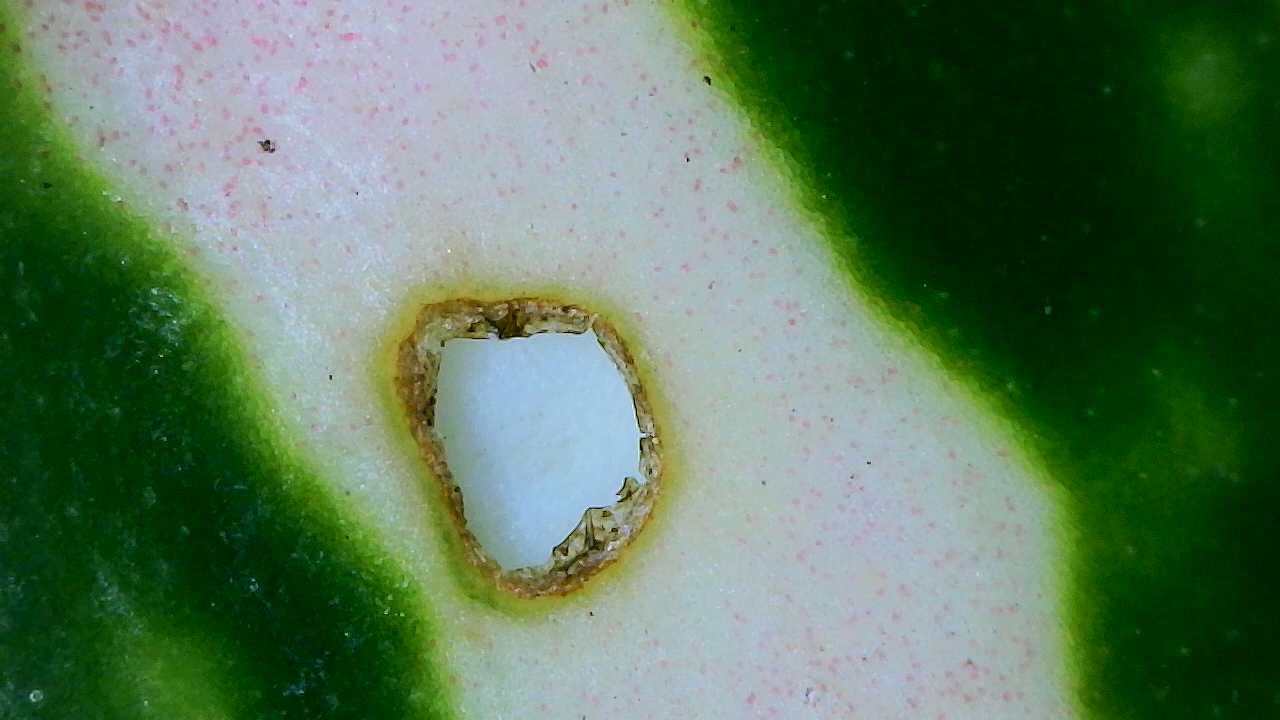
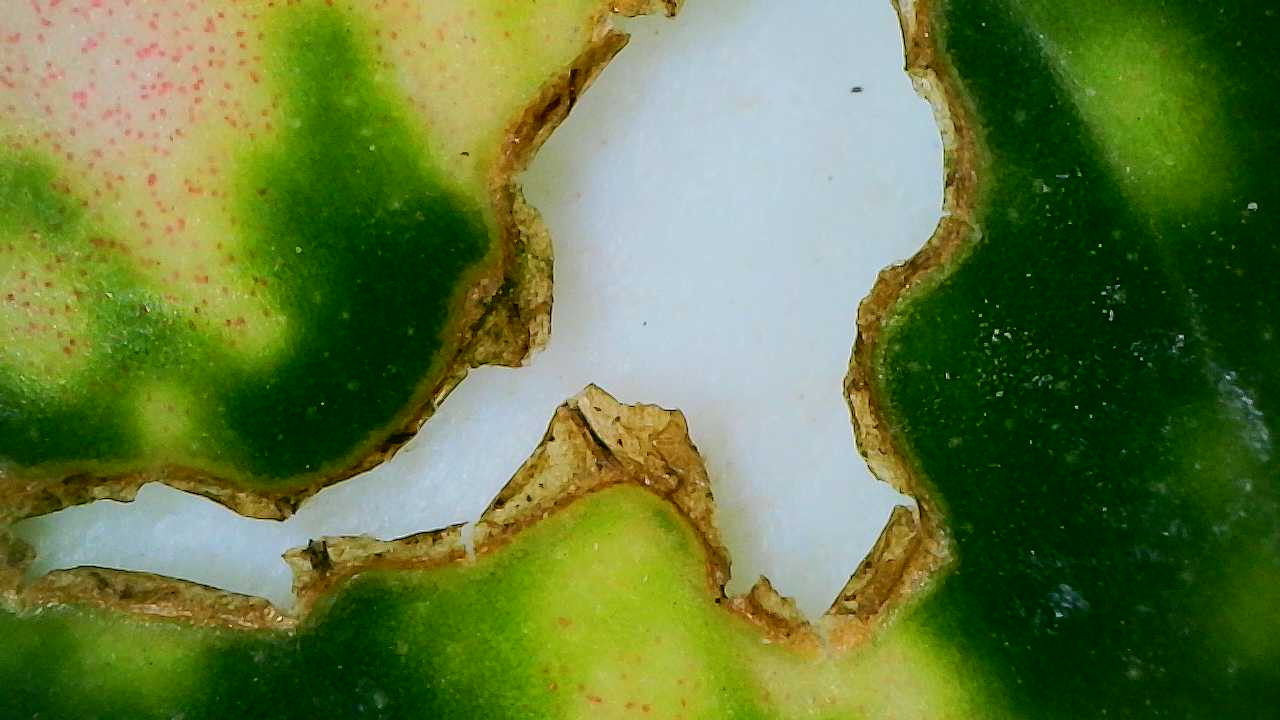
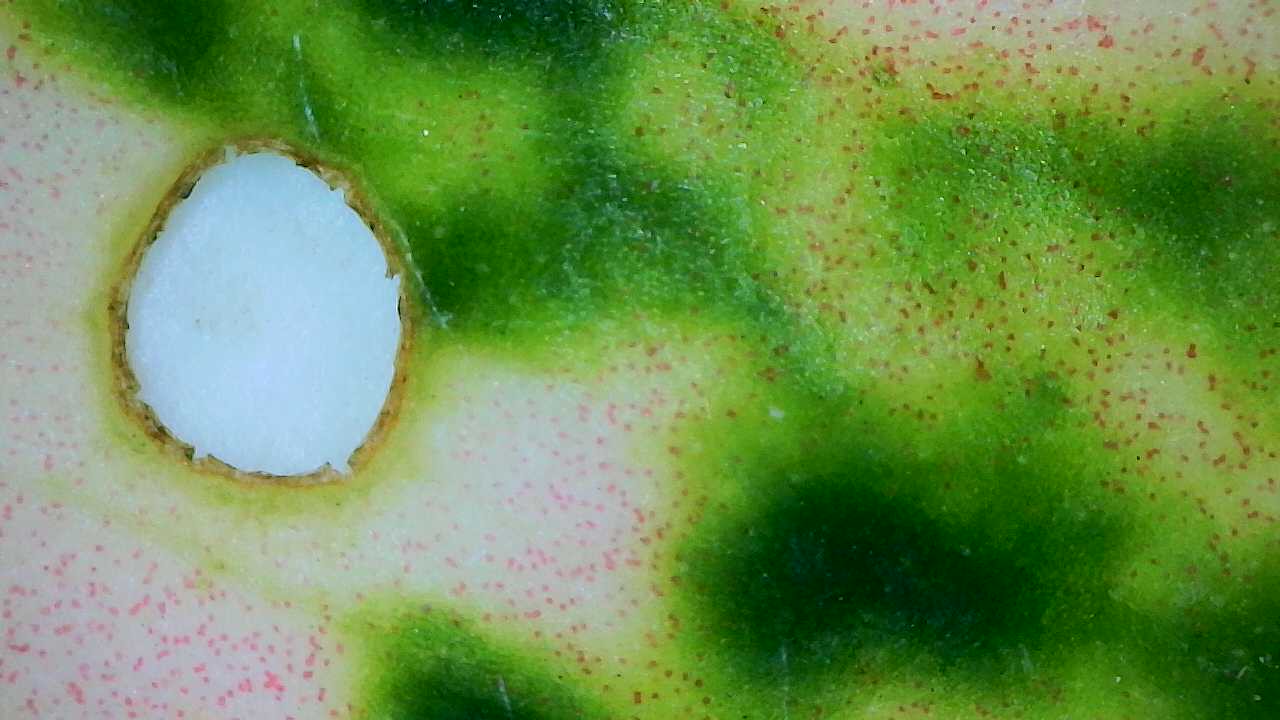
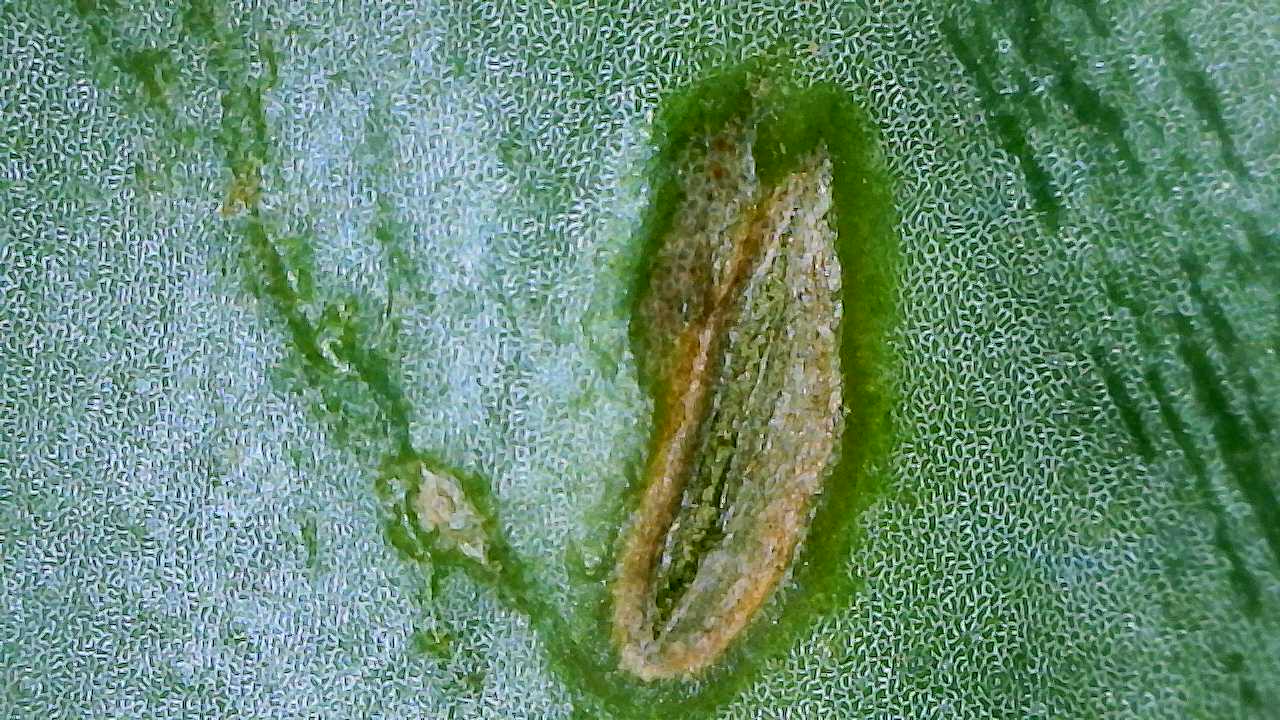
Aglaonema ‘Etta Rose’ (with green and pink variegation)... I found several small, perfectly round holes in the leaf tissue.
Aglaonema ‘Silverado’ (with green and white variegation)...
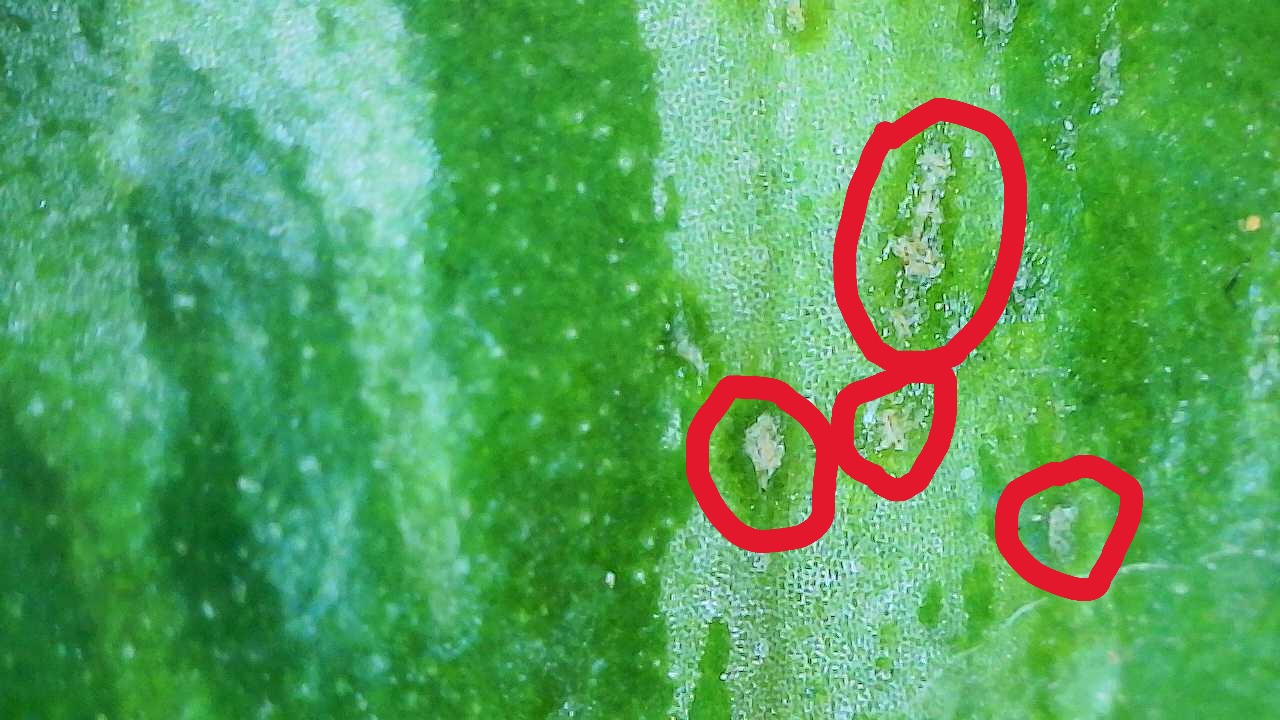
There is some color-break or fading of color on the leaves, though maybe not apparent to people not familiar with the species.
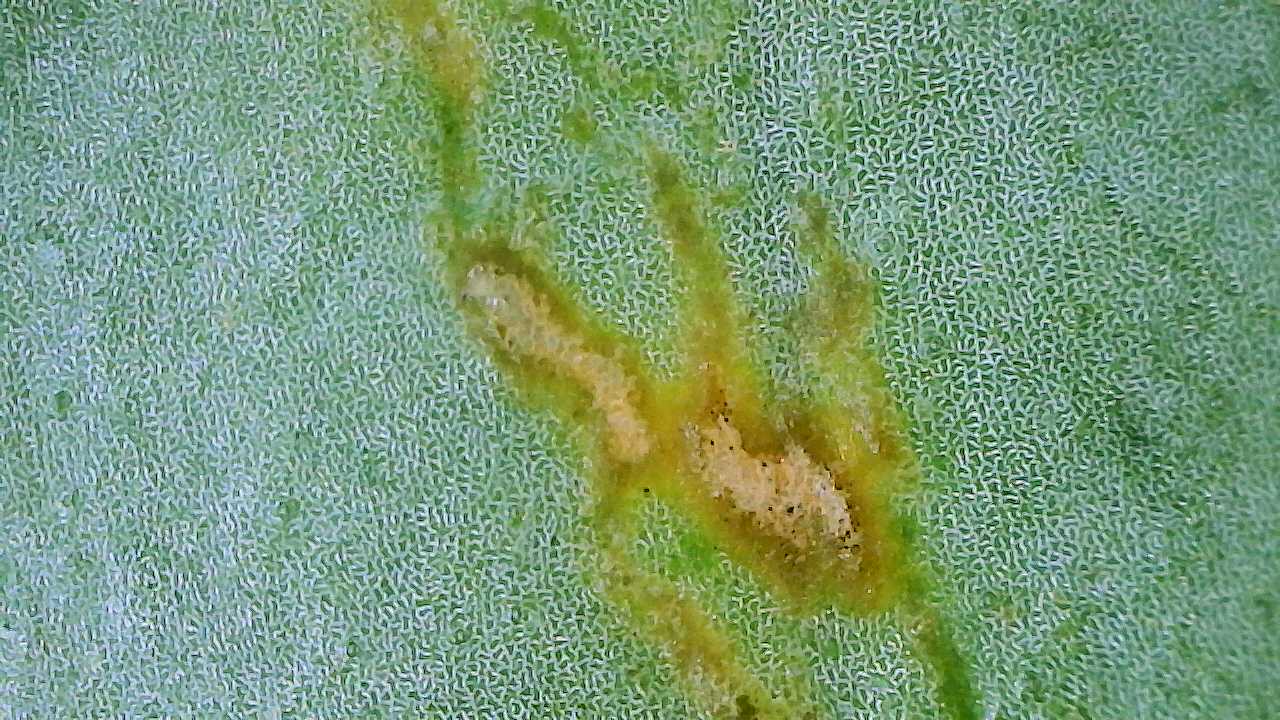
There is also thin yellow streaking.
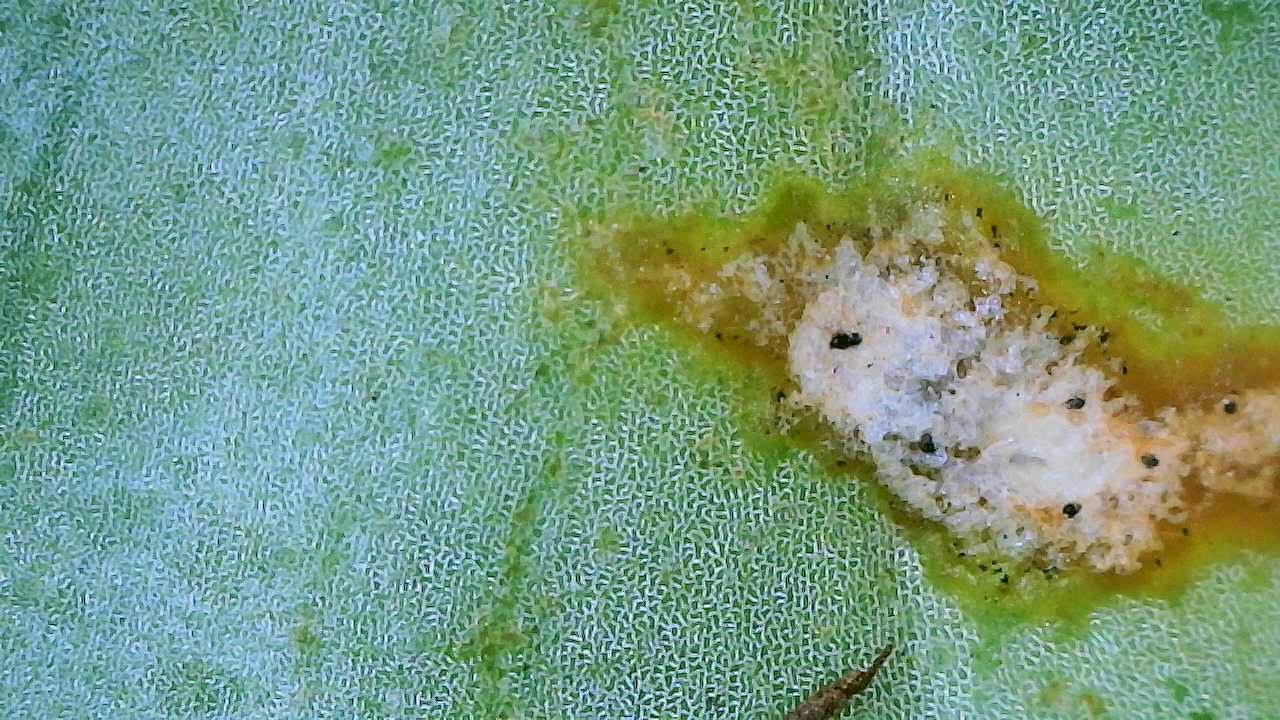
And, there are some leaf spots that look brown and dried up.
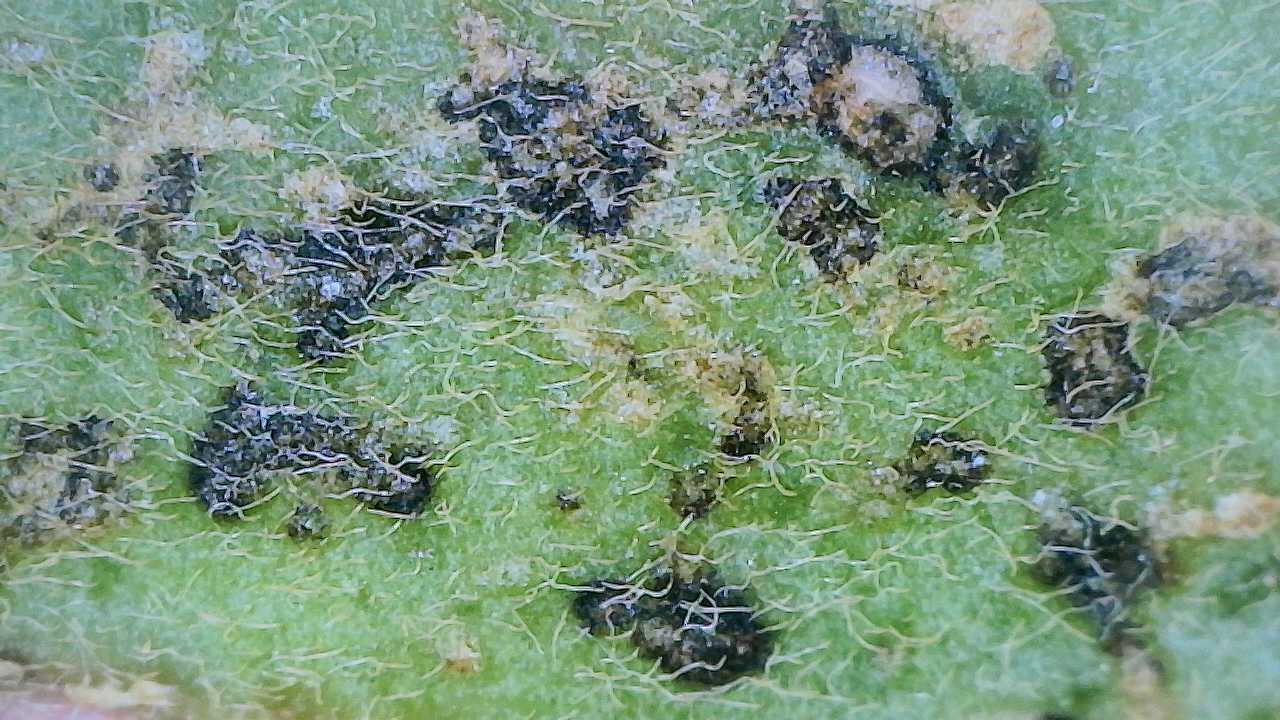
And, there was one spot (half the size of a nickel) that looked black and water-soaked. It had a yellow margin ring around the black area. I tried mimicking a method we read about in the course materials to see if the spot was bacterial: I cut through the damaged spot and placed the leaf tissue in a flat tray with some fresh, clear water to see if any grey clouds of bacterial spores oozed out, but I did not see any.
The thin, yellow streak might suggest color-break and therefore a virus or viroid.
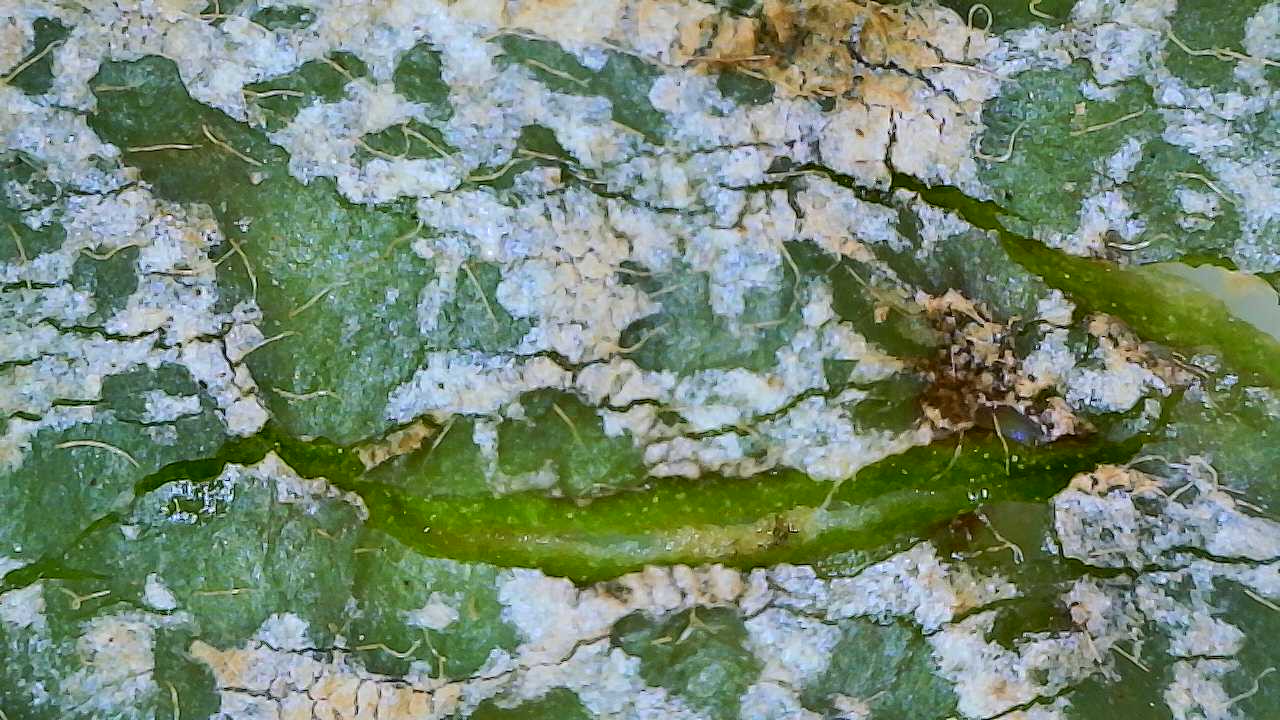
There were also bumps and curled distortion at the leaf tip on one Aglaonema leaf, which might suggest edema or viral distortion.
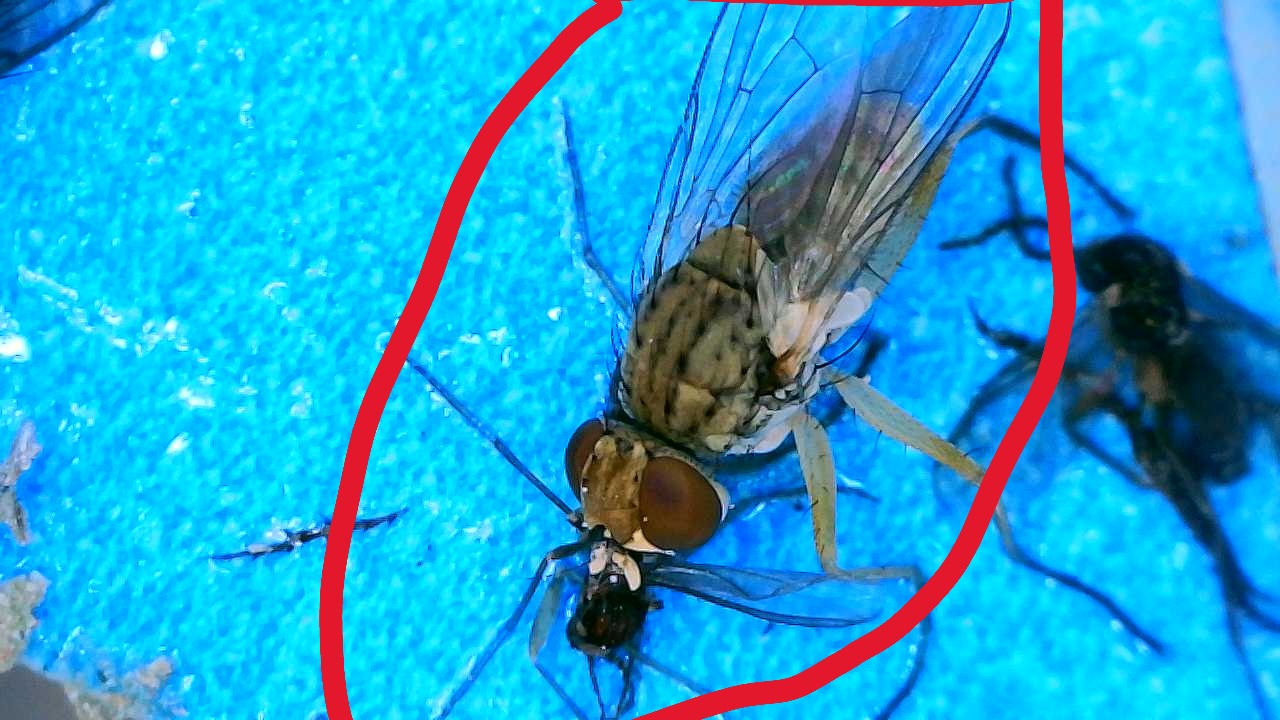
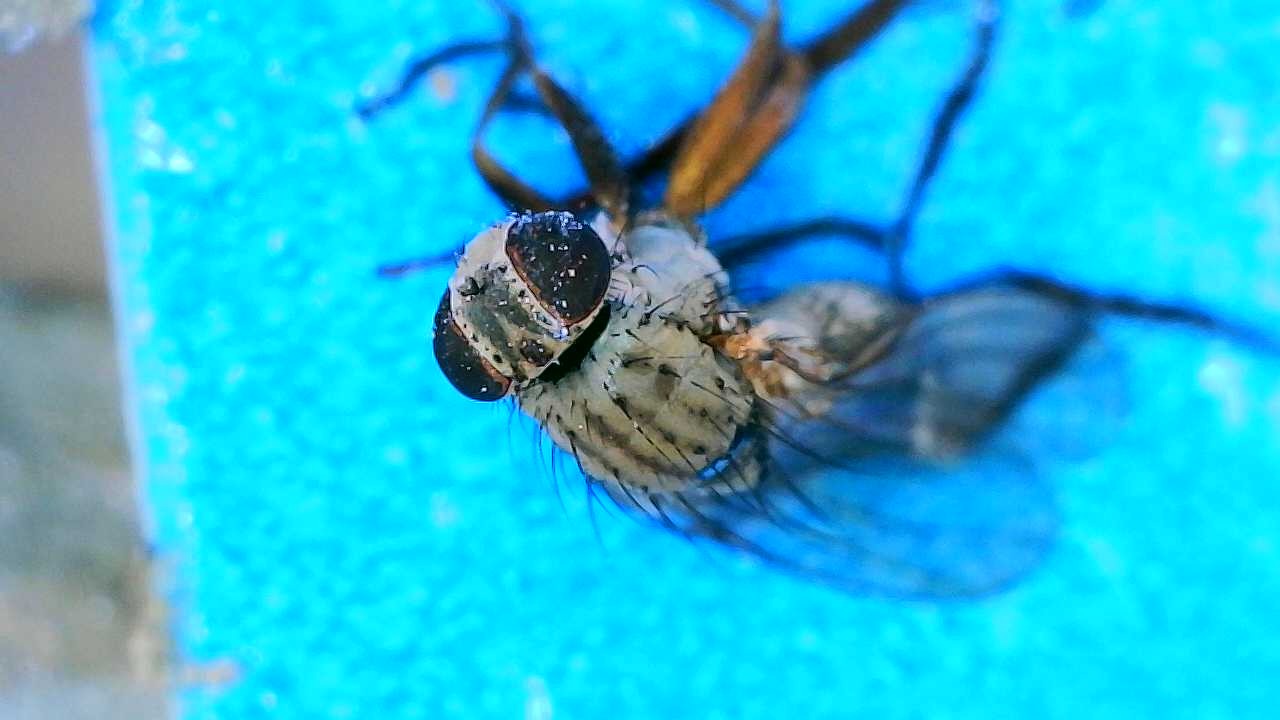
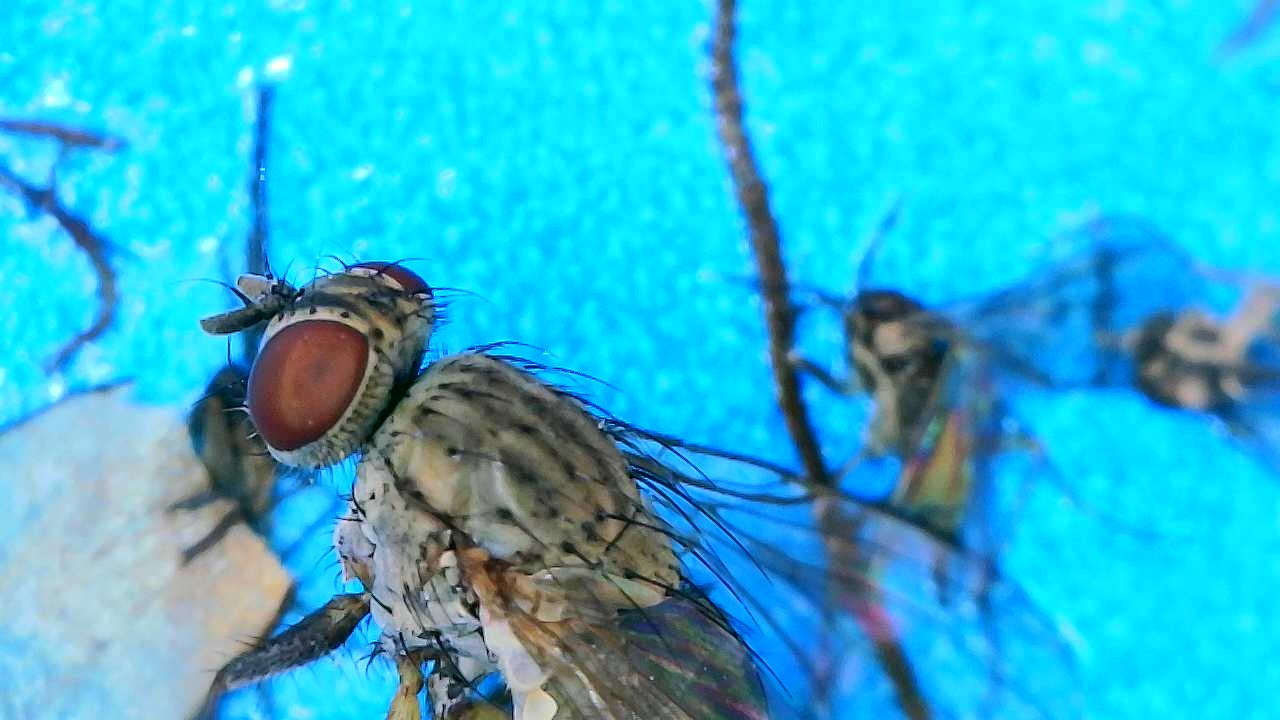
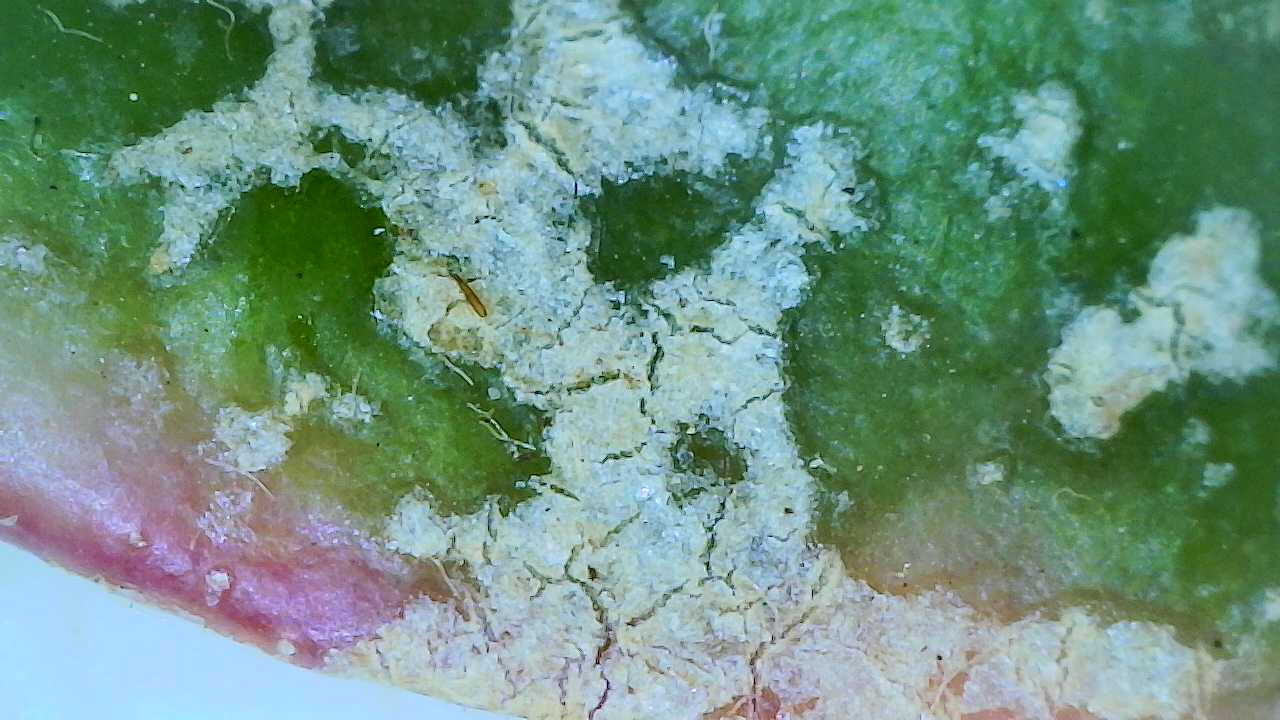
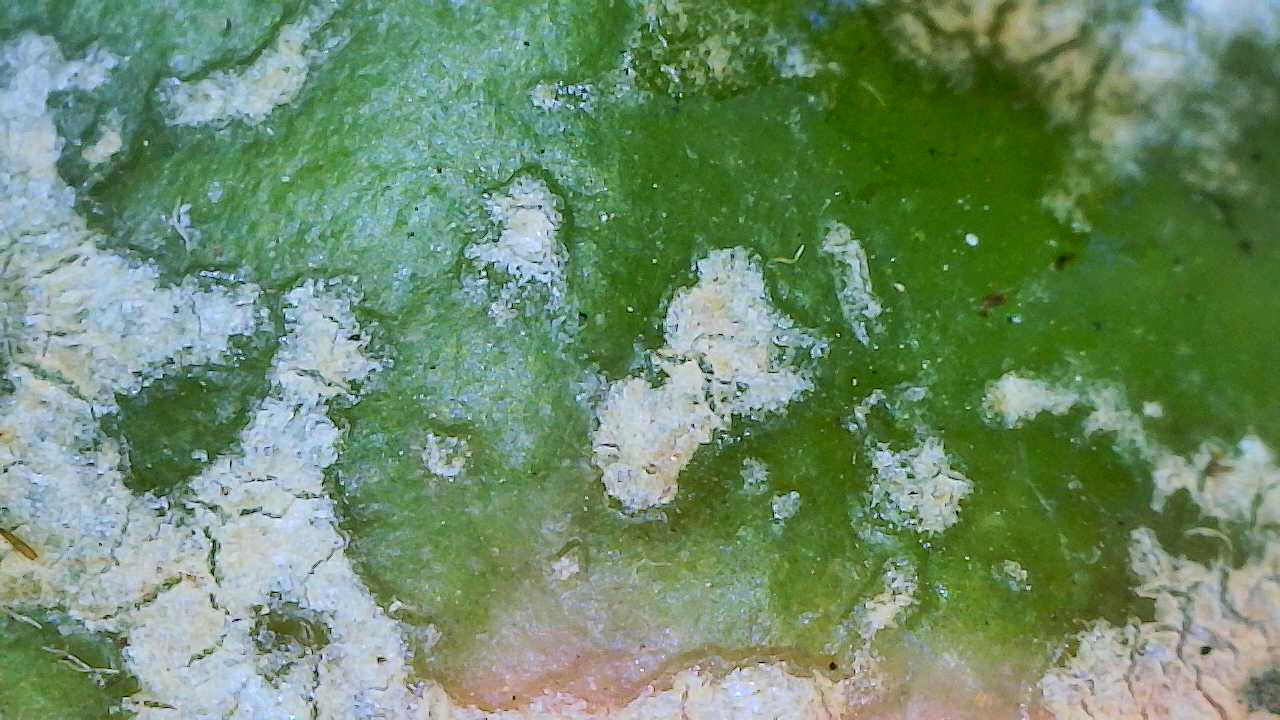
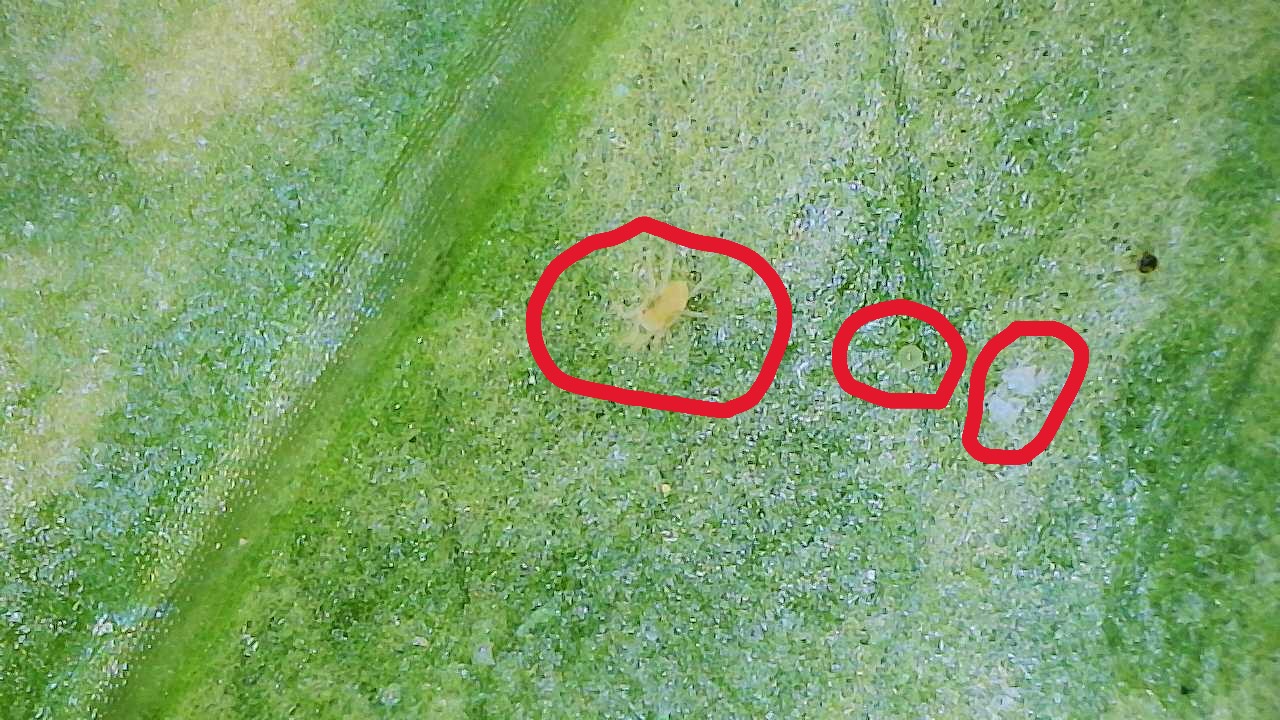
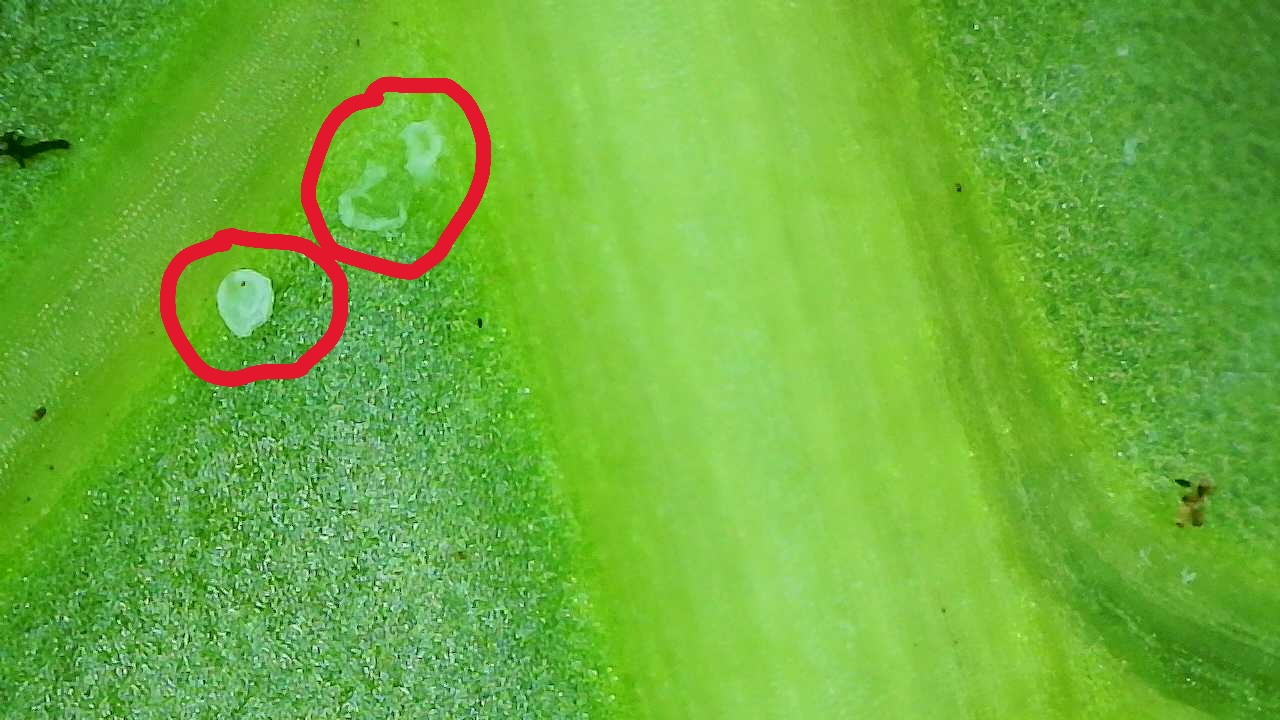
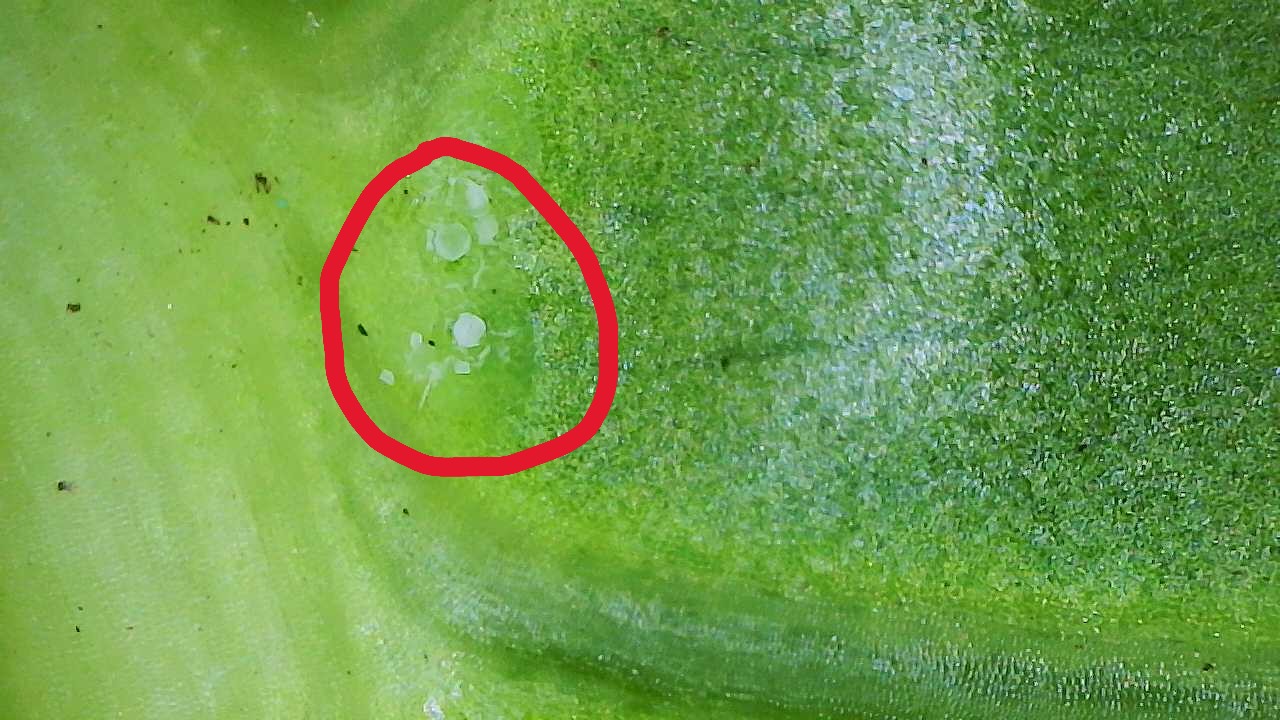
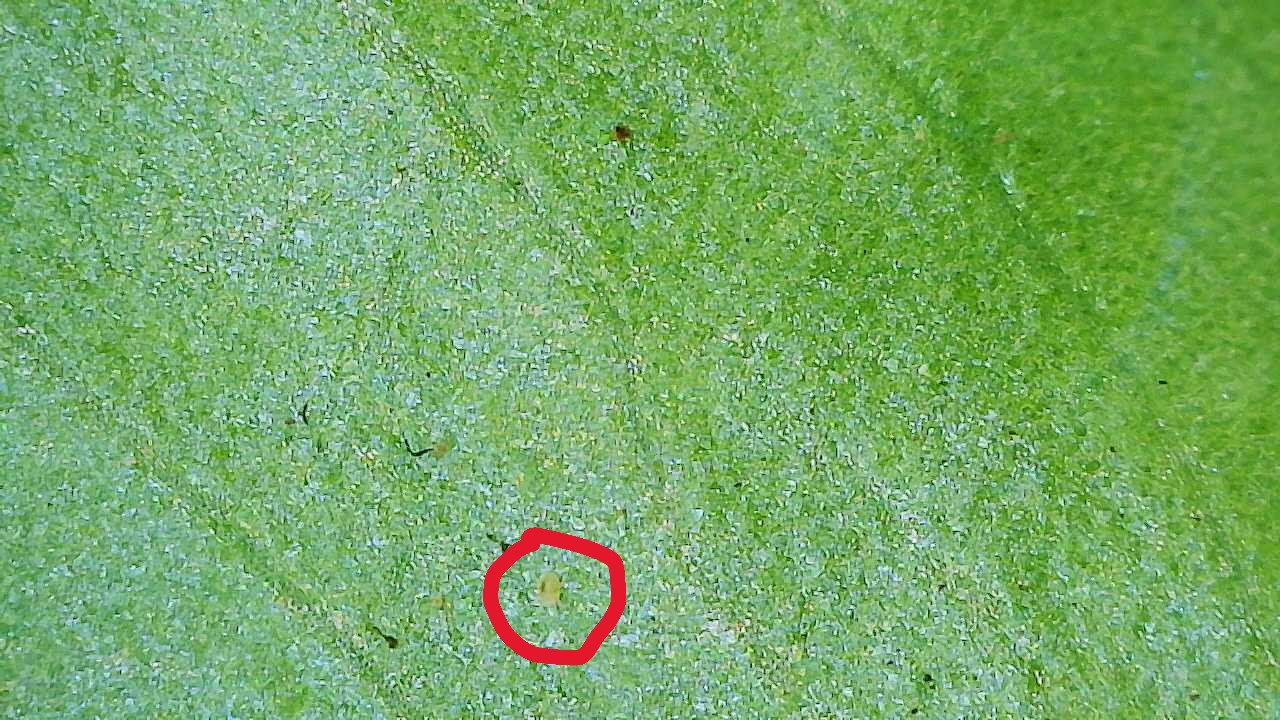
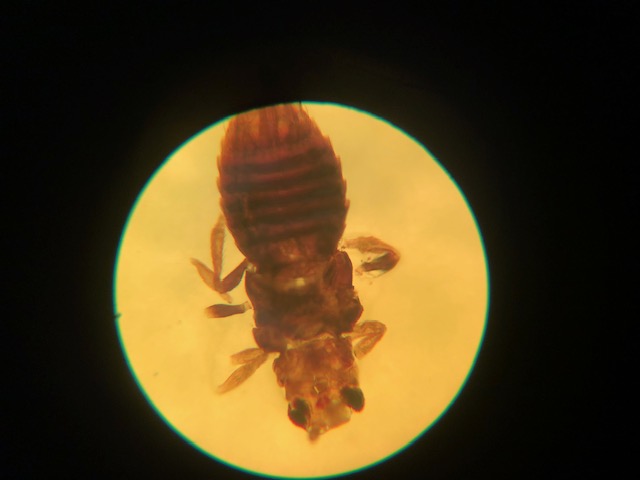
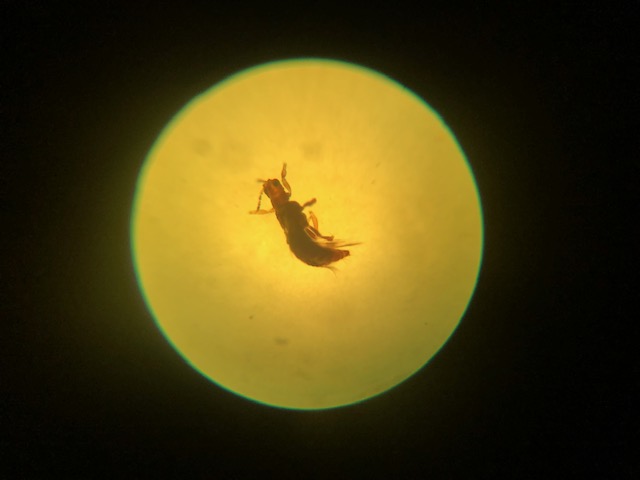
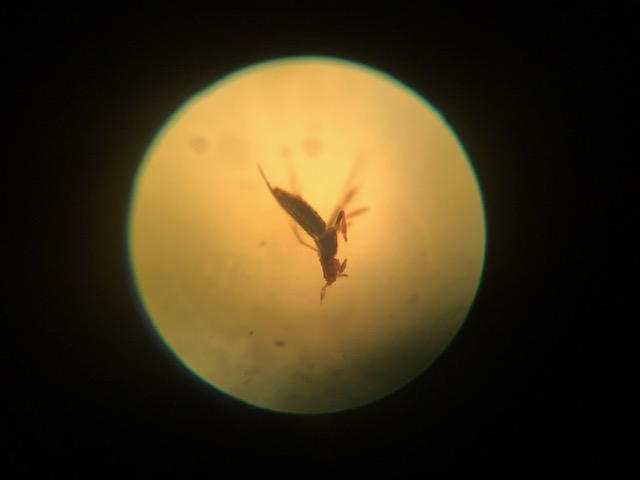
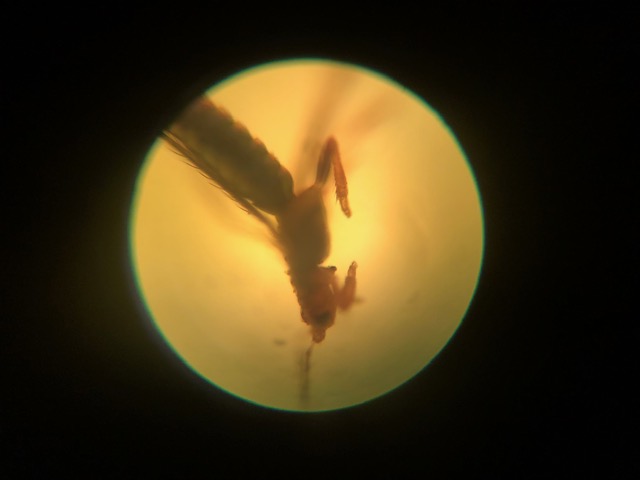
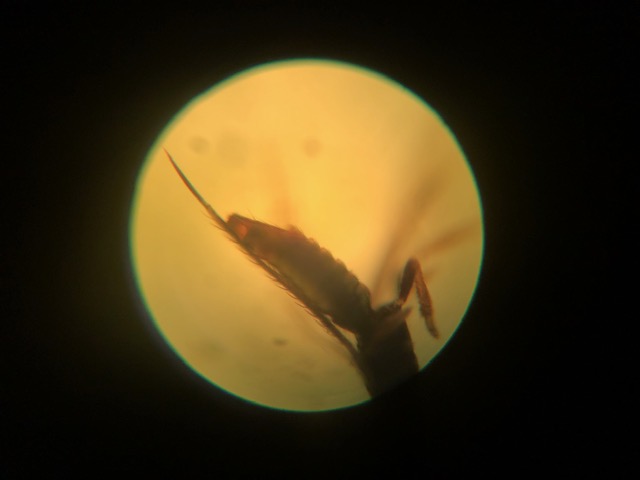
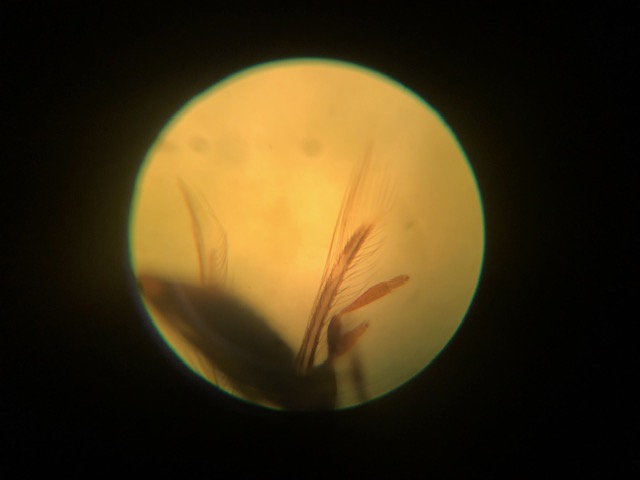
I examined it with the hand-held microscope.
More from Part 2 of this assignment in a separate post.
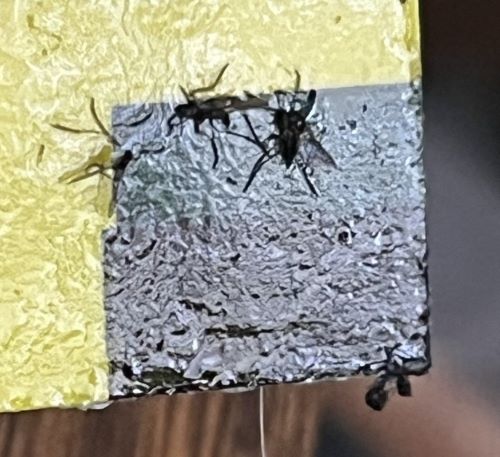
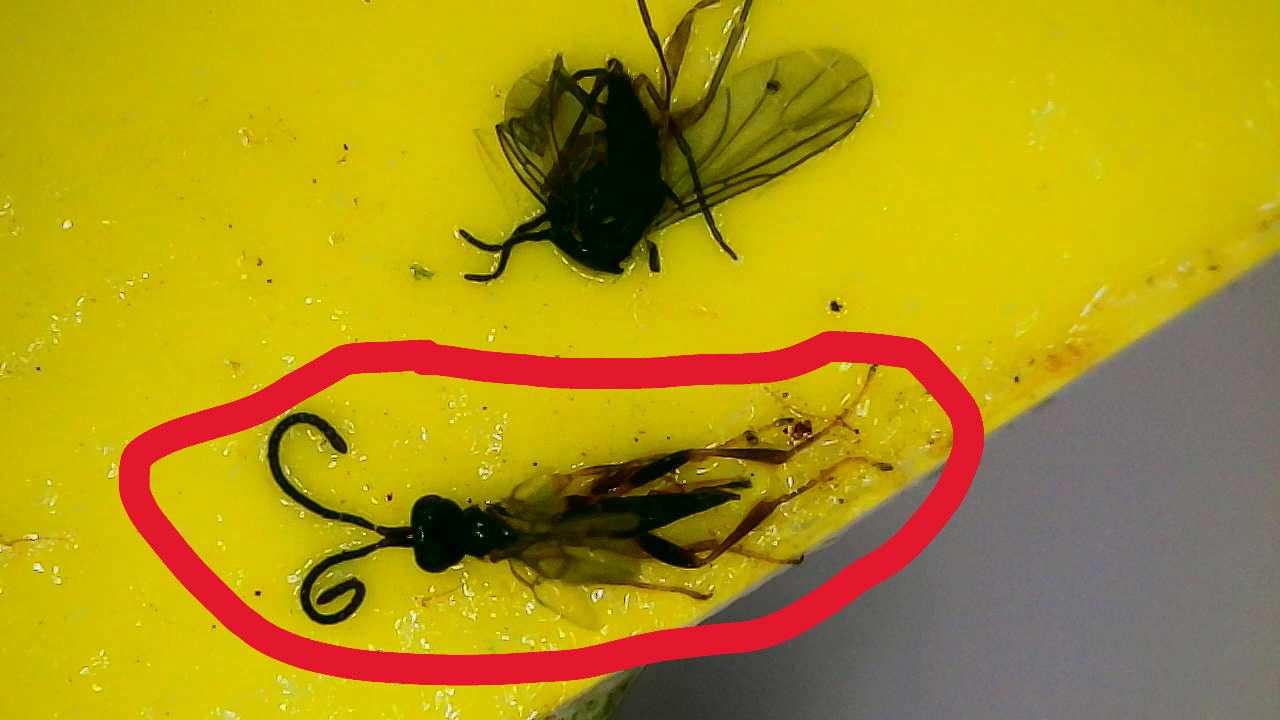
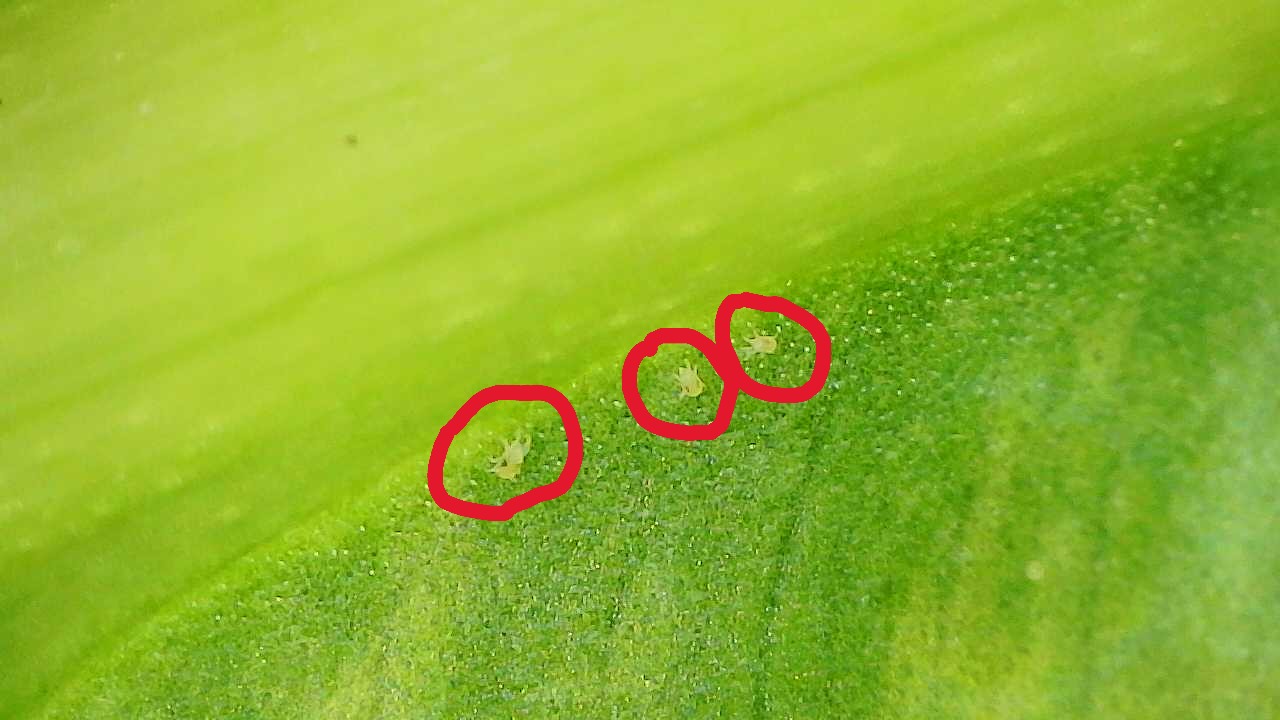
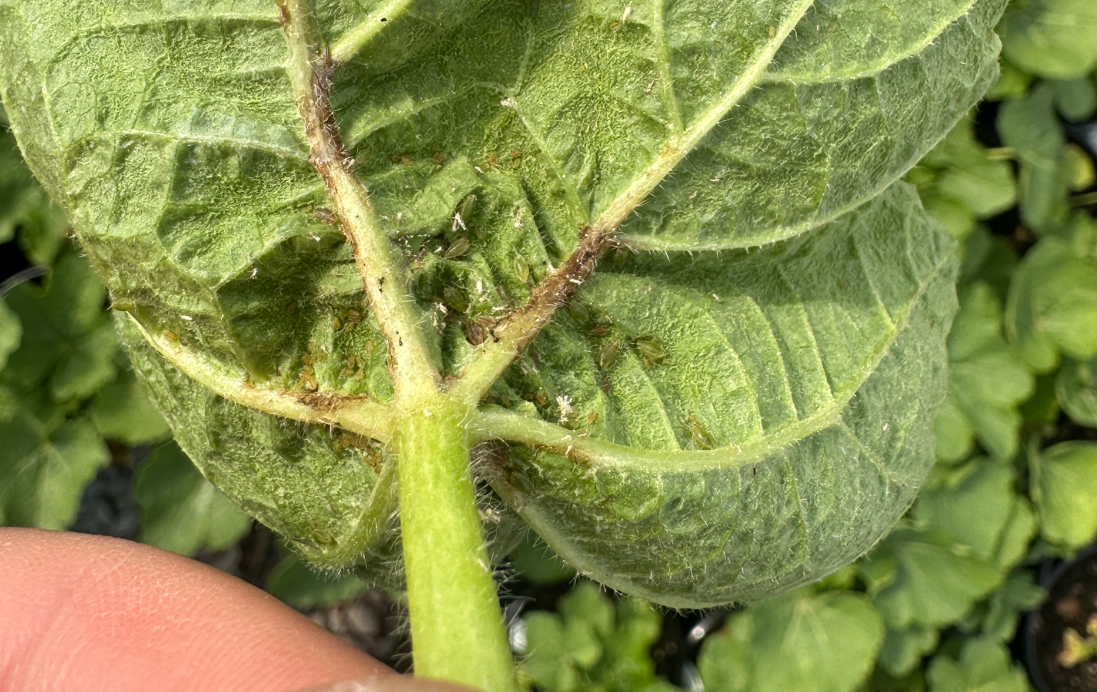 This assignment is perfect timing because on Monday I was scouting one of our houses and found a huge outbreak of aphids on a crop of hollyhocks. I immediately put out a sticky card to see if I can catch some and ID them. I checked the next day and saw no aphids on the card but they were all over the crop under the leaves (see photo). I did catch a few fungus gnats thought. I'm hoping to check back in a couple days to see if it caught any. I'm interested to see what else shows up in this other location. It seems like last week when we had that high of 72 degrees it may have created some favorable conditions for these aphids to get very active. An interesting point that I mentioned to the head grower is that the other crop in that house is asclepias tuberosa, one of our crops that is notorious for dealing with bad aphid pressure. I wondered if they may have over wintered in the containers of the asclepias and then infected the hollyhocks when conditions were favorable. I haven't Identified this aphid yet but I don't think it's milkweed aphid. For this find I entered it into my scouting record and messaged the head grower to inform him. He wanted to know if I had seen any anywhere else because he found some on another house on a crop of hypericum. I did end up finding some on a crop of aster divaricatus.