1.
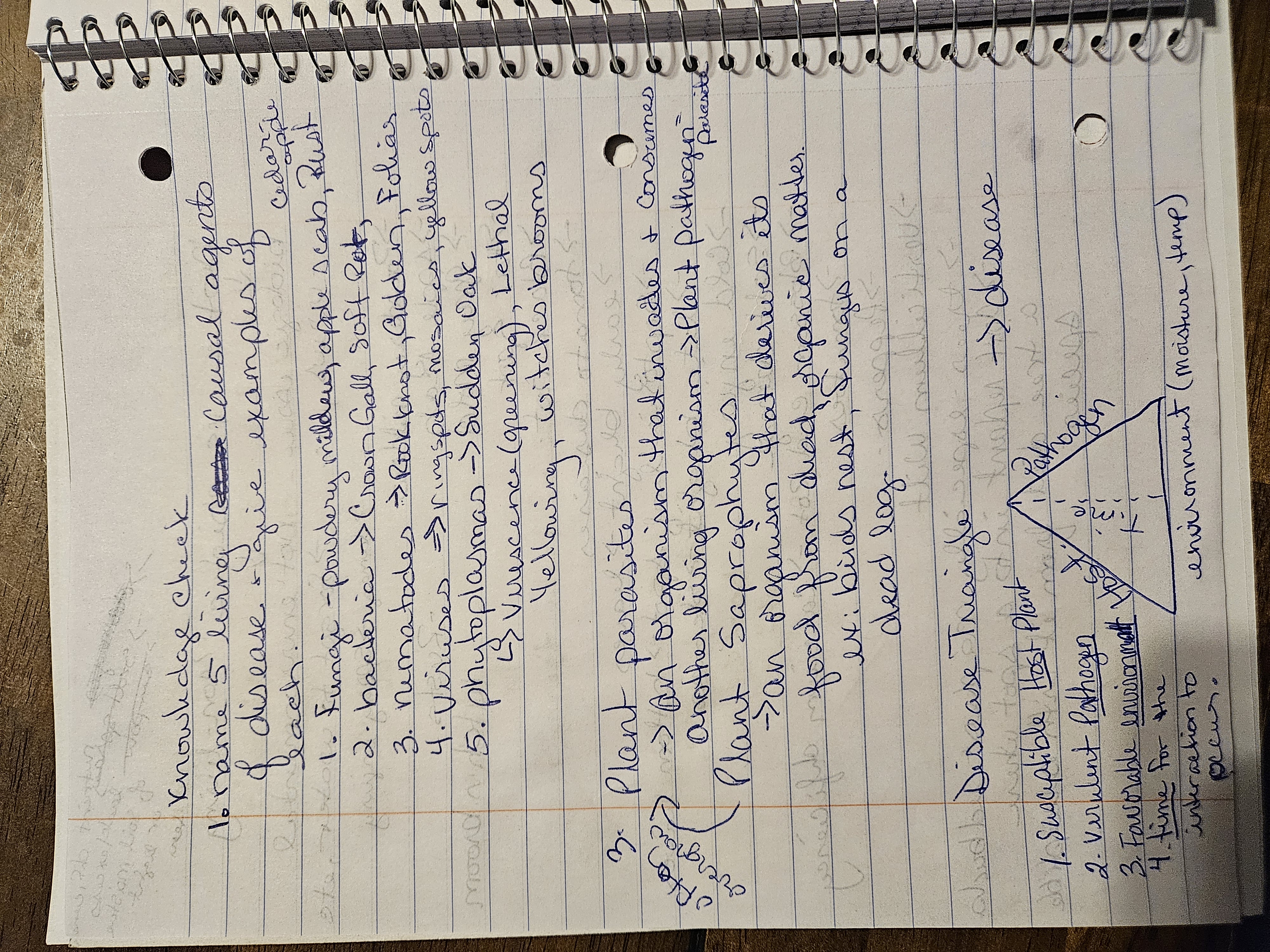
Fungi: Botrytis cinerea, which causes gray mold (such as on strawberries and tomatoes), I have seen this but I did not know what it actually was.
Venturia inaequalis affects apples trees and flowering crabapples also known as apple scab is also something that I have seen.
Bacteria: Erwinia amylovora, causes fire blight in apple and pear trees.
Nematodes: Meloidogyne species (root-knot nematodes), I have had this affect my carrots, I believe.
Viruses: Cucumovirus (such as cucumber mosaic virus), which affects many common garden vegetables and ornamentals.
Phytoplasmas: Candidatus Phytoplasma, which causes conditions like witches' broom across various plant species.
2.
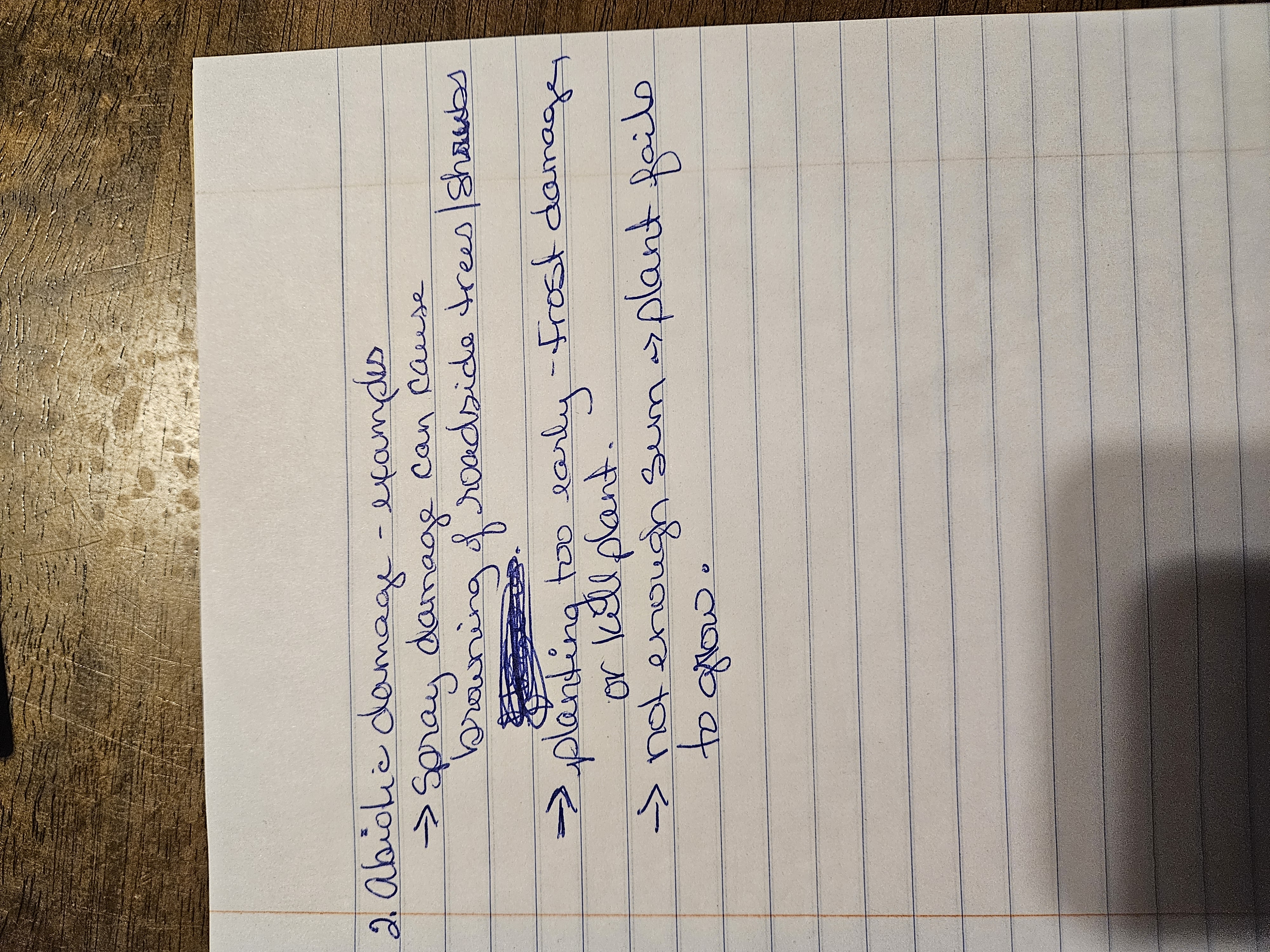
Abiotic (non-living) damage in a garden are typically caused by environmental, physical, or chemical factors rather than living pathogens:
One that seems to affect me every year in my garden is the moisture extremes. When we get heavy rains there is too much water. (causing root rot, edema, or wilting from saturated soil)
3.
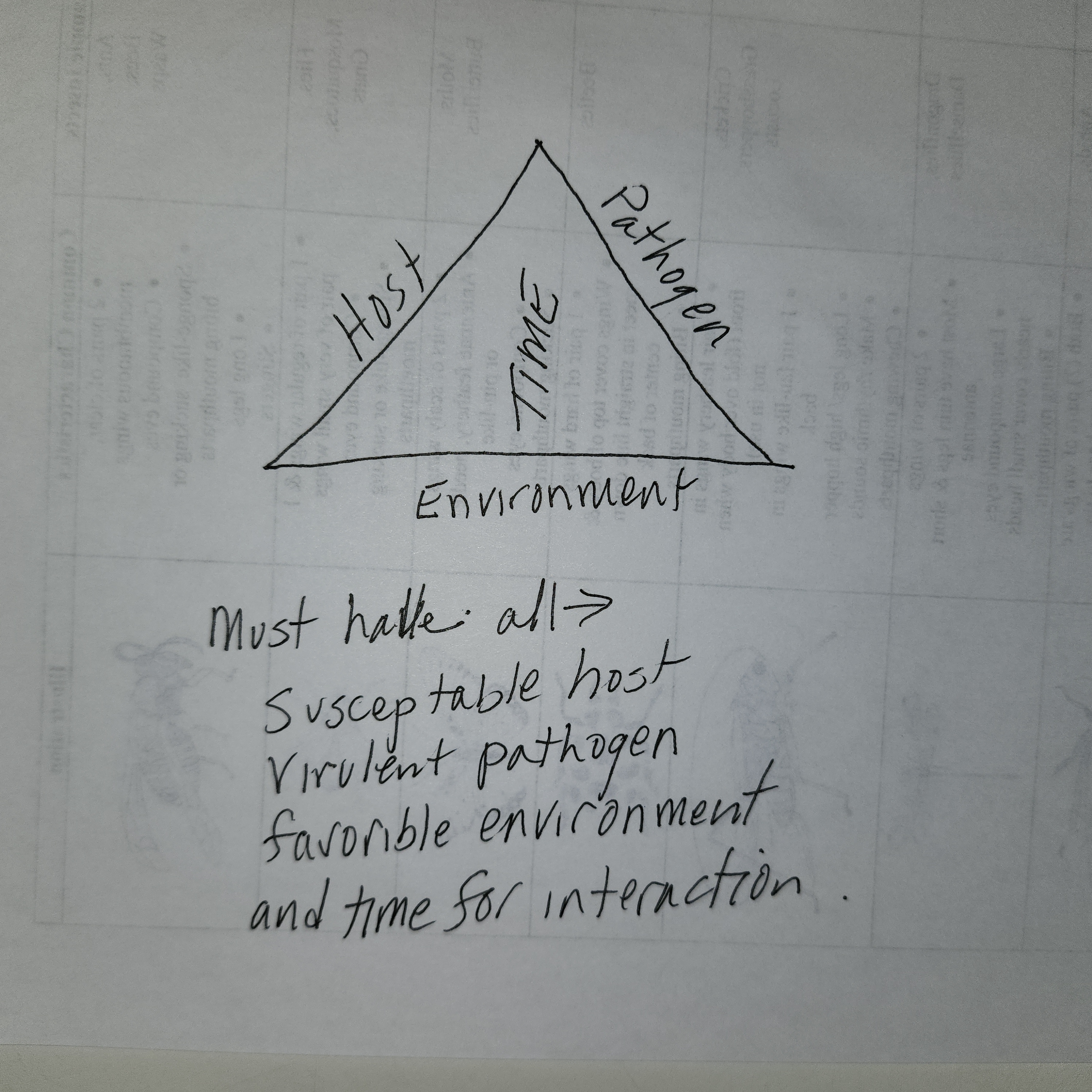
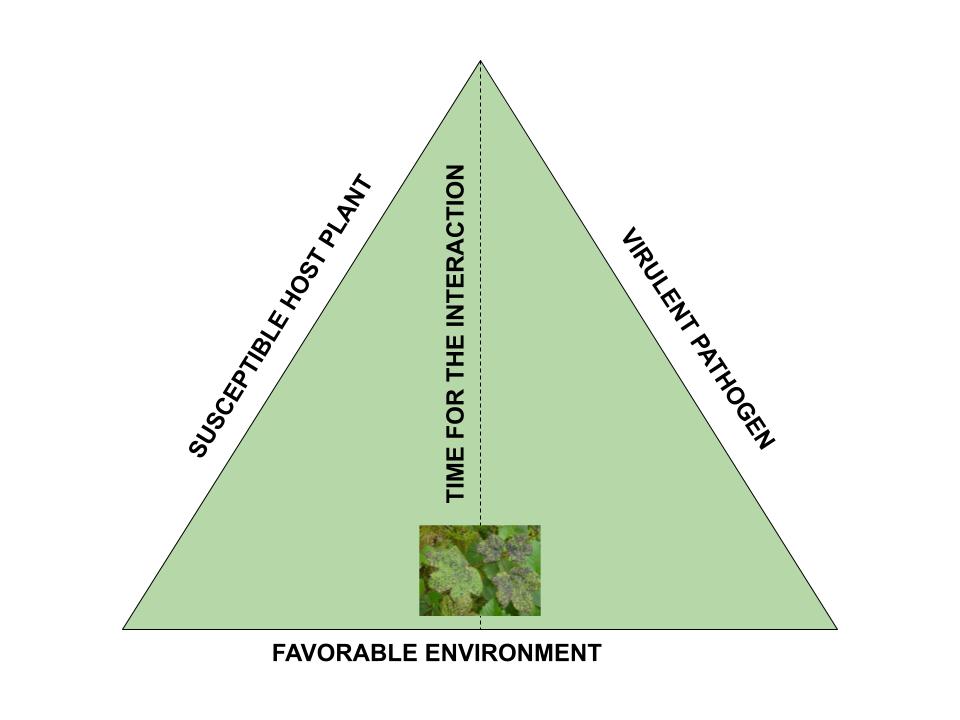
Plant Parasites: These are organisms that invade and feed on a living host organism, deriving their nutrients directly from the living plant cells, which often harms or weakens the host in the process. (The spaghetti weed, I think it was called dodder, that was in the video was interesting and I have never seen anything like that before.)
Plant Saprophytes: These are organisms that feed exclusively on dead and decaying organic matter, breaking down non-living plant or animal material to obtain their nutrients without harming living plants.