General
-
Foro

Instrucciones: Haciendo click sobre el nombre de la sección se mostrará / ocultará la sección.
We prepare volunteers to be peer educators who build relationships with community audiences to integrate local experience and research based knowledge in planning for and initiating steps to manage gardens, lawns, and landscapes with an emphasis on food security and environmental stewardship.
Adults, youth, and families who engage in our garden-based educational programs expand their learning networks and ecological gardening skills towards greater resilience and connections. As a result, they experience enhanced health and wellness, food security, ecological literacy, environmental stewardship, and they embrace sustainable community practices.
Please sign-up for your Final Presentation date and time slot. No worries if you haven't picked a topic yet, they are due at our May Class.
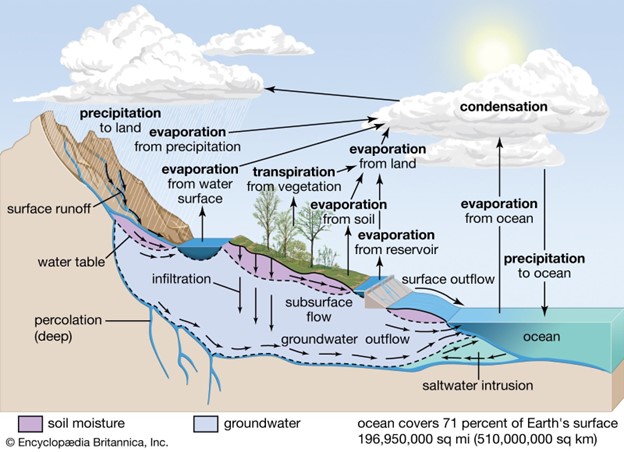
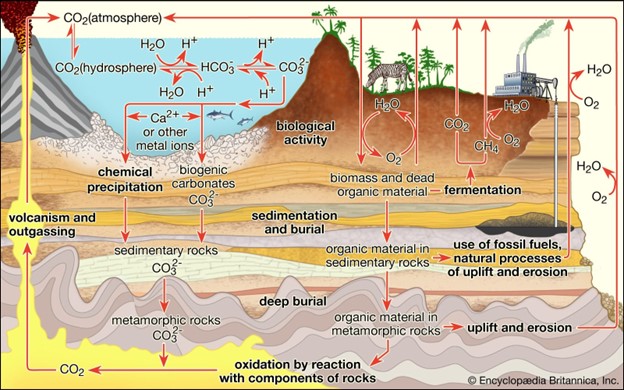
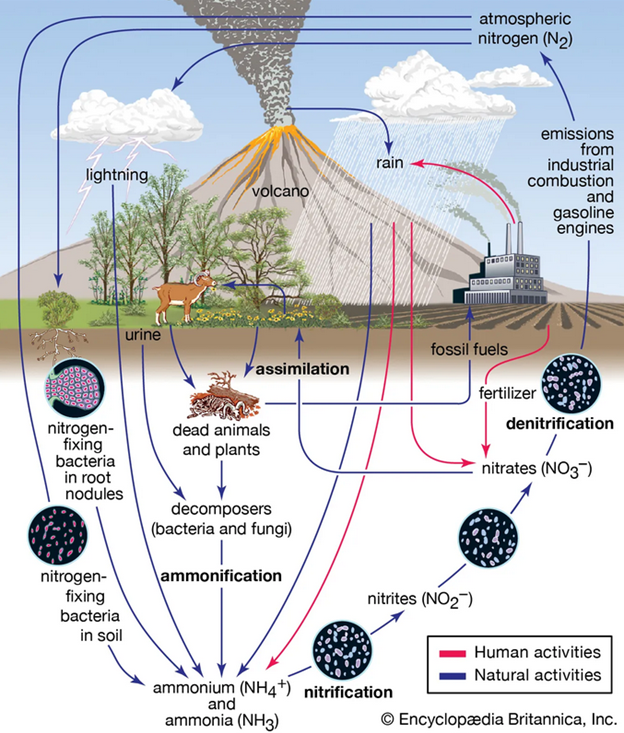
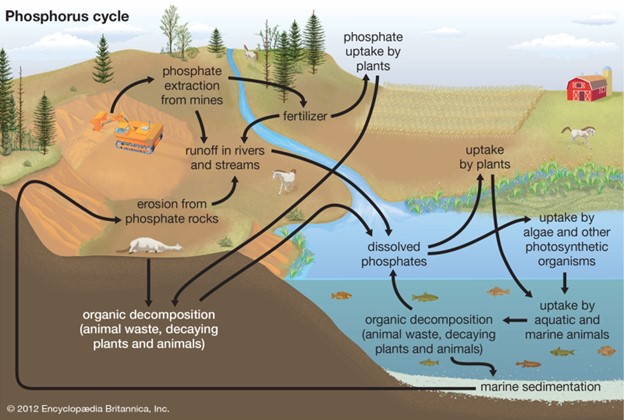
This is a recording of the lecture given during class.
This the guide we provide gardeners on how to take a proper soil sample.
Web Soil Survey (WSS) provides soil data and information produced by the
National Cooperative Soil Survey.
It is operated by the USDA Natural Resources Conservation Service
(NRCS) and provides access to the largest natural resource information
system in the world.
NRCS has soil maps and data available online for more than 95
percent of the nation’s counties and anticipates having 100 percent in
the near future.
My Soil
Although how a piece of land is used affects the tilth or structure of the soil, the texture of the soil is determined largely by the bedrock, which acts as the soil's parental material. There are 561 named soils in New York State. What kind of soil do you have?
Use the USDA's Web Soil Survey to determine what type or types of soil you grow in. You can research the soil type(s) of your home garden, a community garden, or if you are currently not growing in the ground you can research the soil type(s) found at public garden like the Orange County Arboretum.
Once you have determined the type(s) of soil, read more about it. Is this type of soil commonly used for farming? Look at the soil profile. Does it change from one horizon to the next? What is the depth of a restrictive feature? What kind of drainage does it have? What are the minor components of your soil?
Find the Official Soil Series Description. This includes a description and map of other places with the same soil type. Where else can you find this type of soil. Look at the soil profile which shows the depth of the different soil horizons. If you want to go further, learn more about the minor components of your soil.
For this week post, tell us:
These lecture slides go along with video on Home Composting.
What is you favorite tree?
What plant family is it in?
What is its scientific name?
Is it an
If it is an angiosperm, is it a monocot or a dicot?
If it is an angiosperm, does it have perfect or imperfect flowers?
Is it monoecios or dioecious? These terms can be used to describe angiosperms with imperfect flowers as well as gymnosperm.
Take some time to go through what you learned since our last class and come to this weeks class with any questions you have.
This planting guide includes a list of when to seed commonly grown
vegetables inside. Although the guide was developed for Rockland
County, it holds true for Orange County as well.
Learn the difference between seed scarification and seed stratification.
This a 15-minute video with
step-by-step instructions on growing micorgreens by a Master Gardener
Volunteer with the University of Illinois Extension.
Preparation, storage, recipes, and more!
This guide contains information stratification and propagation of native wildflowers, sedges & bulrushes, and grasses.
For this weeks forum post you will share with the group how your microgreens grow.
You all received a microgreen growing kit in class on Saturday.
Plant your basil or sunflower seeds and answer the following questions. As it
will take sometime before your microgreens are ready to harvest, you may not have
anything to post this week.
A 48-page manual that includes the following sections:
This planting guide includes a list of when to seed commonly grown
vegetables inside. Although the guide was developed for Rockland
County, it holds true for Orange County as well.
This web forum provides an avenue for gardeners to share knowledge.
Gardeners visit the site and report what vegetable varieties perform
well – and not so well – in
their gardens. Other gardeners visit to view the variety ratings and
read the reviews to decide which might work well for them.
Most
of you have spent time toiling in a vegetable garden. Take a few
minutes to think your experiences growing vegetables in conjunction with
all of the information presented this week. Pick one concept that was
presented that either surprised you or validated your own vegetable
gardening experience.
Although most herbs have few pest and/or disease issues, most basil varieties are susceptible to basil downy mildew.
Take some time to go through what you learned since our last class and come to this weeks class with any questions you have.
This is where many MGVs source their Red Wiggler worms for vermicomposting.
This is a pro-GMO website run by CropLife International, an association that promotes agricultural technologies. Despite this slant, the website presents lots of good scientific information about GMO crops (i.e. history of GMOs, how they are made, where the genes come from, etc.).
This a nonprofit organization that administers a certification program for non-GMO food.
Seeding Rates and Reasons for Use
While you may choose to read thoroughly about a fruit crop that interests you, there is no need to read every bit of this resource or memorize all of its contents.
North American Fruit Explorers connects people with a passion for fruit including backyard growers, orchardists, researchers, and people from all walks of life.
Take some time to go through what you learned since our last class and come to this weeks class with any questions you have.
Classification of annuals — hardy, half-hardy, tender, tender perennials used as annuals (tropicals).
This resource contains several articles on bulbs include:
Falling for Bulbs - The time to plant for spring is now!
List and description of flowering geophytes by bloom color — white, yellow, red, purple, blue — and descriptions of plants in the genus Narcissus (Jonquil, Daffodil) and Tulipa (Tulip).
Take some time to go through what you learned since our last class and come to this weeks class with any questions you have.
You have completed part 1 of the MGV Training Course!!
You will continue to have access to this part of the Training Course, but the remainder of our weekly modules will be in Part 2!
To access Part 2, scroll up to the top of this page and click on 'Dashboard.'
Please email Susan (sgn32@cornell.edu) if you have any questions.