Section M2.3: Self-efficacy as a Leader
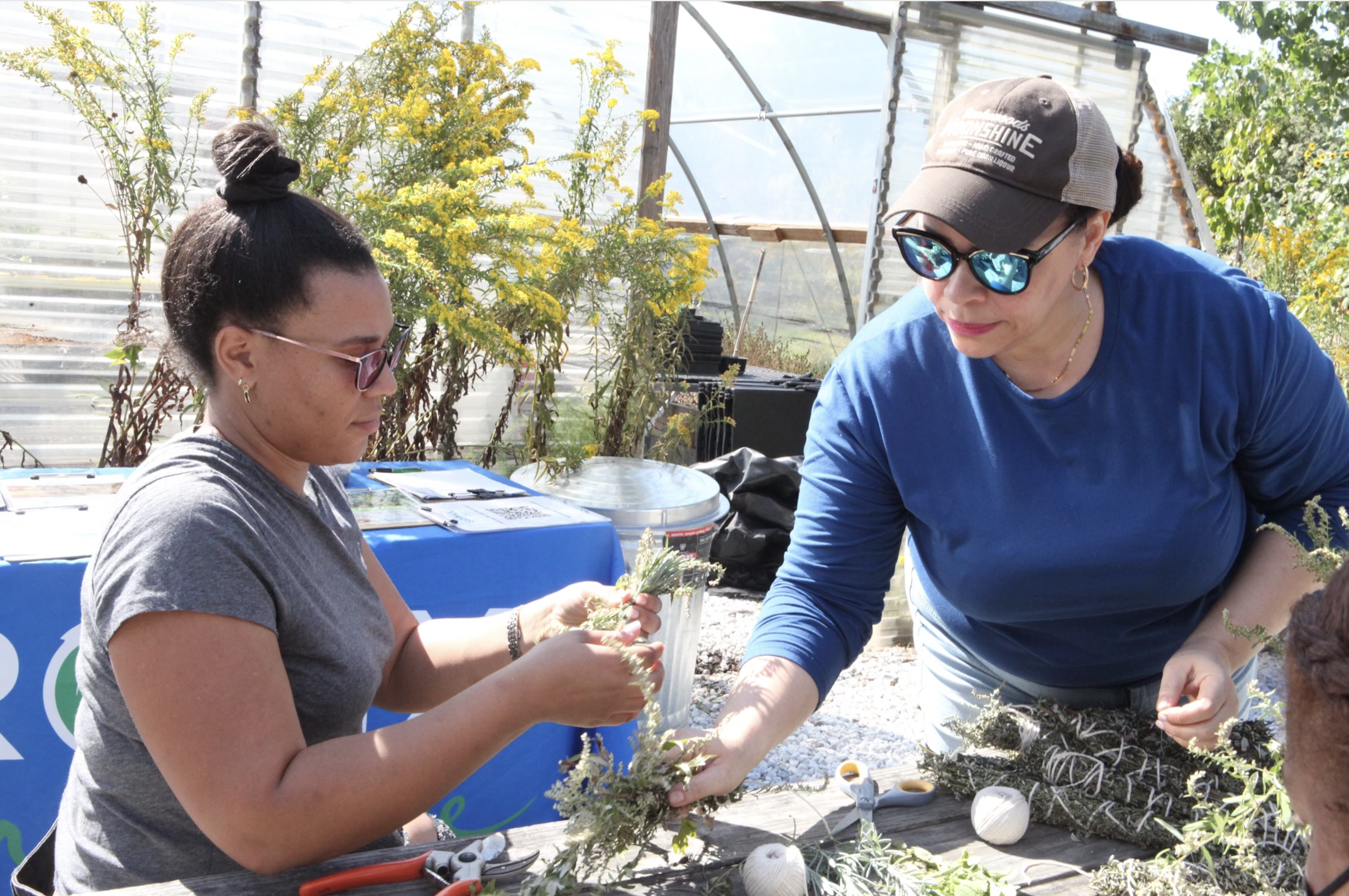
New Roots Harvest Fair 2024, Photo credit: DK Kinard
Self-efficacy, or the belief in one's ability to succeed in specific situations, is a crucial trait for effective leadership. Leaders with high self-efficacy are more likely to set challenging goals, persist through obstacles, and inspire confidence in others (Carey & Forsyth, 2009). This confidence enhances decision-making, problem-solving, and adaptability, all of which are essential for navigating complex leadership roles (Locke, 2009). In addition, self-efficacy promotes intrinsic motivation, empowering leaders to be steadfast in their vision and goals in the presence of challenges or discouragement. When a leader believes that they will be successful, they think more creatively to overcome adversity making them more resilient and apt to cultivate spaces where others can build confidence and strengthen their self-efficacy (Ryan & Deci, 2011).
For community garden leaders, accountability and self-efficacy go hand in hand because it ensures that they take responsibility for their actions and the consequences of their leadership. Where leaders have the belief in their capability of organizing, motivating, and involving volunteers, leaders are more apt to uphold commitments and follow through on responsibilities (Radtke, 2022). Accountability fosters trust within the community and creates more active involvement and collaboration on garden initiatives.
A leader who has strong self-efficacy not only conducts themselves at high standards but fosters a culture where volunteers also feel responsible for the success of the garden. With confidence, reliability, and perseverance, community garden leaders can build a sustainable, thriving green space for the benefit of the larger community.
Below is a list of recommended actions that garden leaders can take to improve self-efficacy and confidence in their leadership role.
Setting realistic goals, tracking the progress, then celebrating incremental wins builds confidence for all who are involved in the planning process. This includes creating systems for tracking contributions and recognizing volunteer efforts to maintain motivation and participation (Carey & Forsyth, 2009; Ryan & Deci, 201; Radtke, 2022).
Reframe your mindset to embrace challenges as opportunities for growth and learning rather than obstacles to success. This will keep you curious and adaptable as a leader, motivating you to continuously seek knowledge and training in leadership, gardening techniques, and community organizing to enhance skills (Ryan & Deci, 2011; Locke, 2009).
Set clear expectations and responsibilities for all garden participants, ensuring that tasks are distributed fairly, and model reliability to inspire trust and engagement within the community by following through on your commitments (Radtke, 2022; Locke, 2009).
Foster an inclusive and supportive environment where individuals feel valued and appreciated for their contributions and provide opportunities for members to take ownership of projects that align with their interests and skills (Radtke, 2022; Ryan & Deci, 2011).
Actively listen to community members’ ideas, concerns, and feedback to improve garden operations and engagement. Also, maintain open lines of communication through regular meetings, emails, or social media updates for members to contribute ideas and stay informed (Radtke, 2022; Locke, 2009).
Build strong relationships with local organizations, schools, and businesses to expand resources and support as one of your long-term strategies to ensure the garden remains active, well-maintained, and beneficial to the community. This will keep you informed on community activities and make it easier to form partnerships (Locke, 2009; Ryan & Deci, 2011).
Encourage diverse participation by making the garden accessible to people of all backgrounds, ages, and abilities (Carey & Forsyth, 2009).Next, do 2.3 Assignment 1: The Practice of Self-leadership