Section M2.2: Community Engagement Strategies
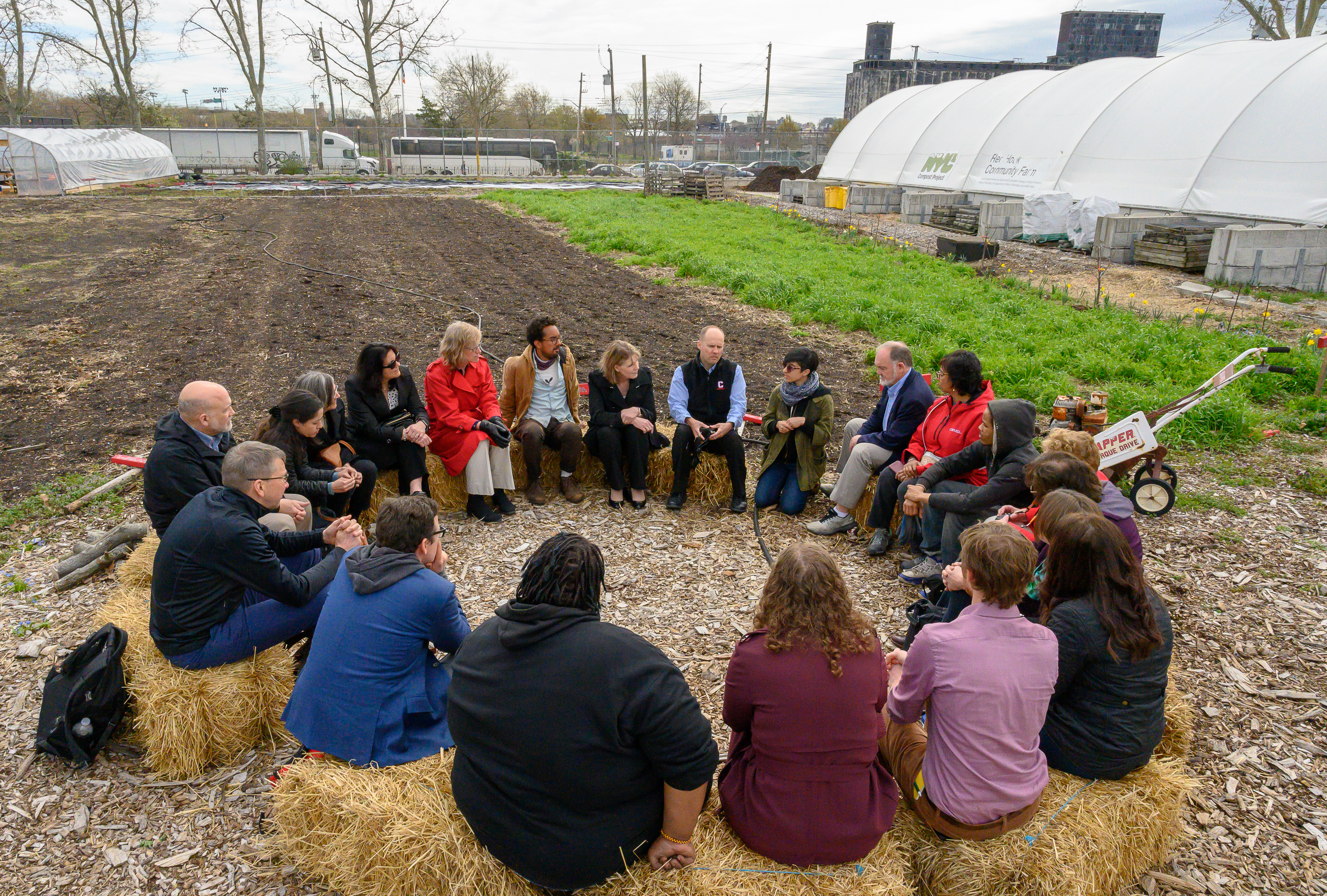
Community gardens require community engagement strategies to ensure their sustainability, inclusivity, and overall success. Without active participation and collective investment, gardens may struggle with low volunteer turnout, resource shortages, and conflicts among members. Below is a list of community engagement strategies that are currently used at community gardens; evaluate them to see which ones may be applicable to your garden, if you are not already using them. When evaluating community engagement strategies for their usefulness in your community gardens consider the diversity of your membership and neighborhood, modes of communication, and potential for relationship-building. The key is to ensure that all members in the community feel welcome, valued, and motivated to participate.
Implementing Collaborative Leadership Models and Equitable Decision-Making Structures
Effective leadership in community gardens requires inclusive decision-making and shared responsibility. Collaborative leadership builds trust and empowers community members to take ownership of garden activities (Chrislip & Larson, 1994; Lansing et al., 2023).
Hosting Regular Community Events
Organizing workshops, potlucks, and volunteer days fosters a sense of belonging and increases garden participation. Social events provide opportunities for relationship-building and shared learning (Clarke et al., 2023).
Establish Clear Governance and Processes
Establishing clear governance and process for the garden so members and volunteers know what to expect, which research shows improves psychological safety. Examples include setting up criteria for membership in the garden, allocating funds, developing bylaws and garden member agreements (Bradley, 2019).
Encouraging Multi-Generational and Culturally Inclusive Participation
Designing programming that welcomes people of all ages, abilities and cultural backgrounds helps create an inclusive space. Recognizing cultural food traditions and engaging diverse communities fosters belonging and investment in the garden. Strategies that prioritize inclusivity, such as culturally relevant planting choices and multilingual outreach, ADA compliant pathways and incorporating accessible raised beds help make gardens truly representative of their communities (DeLind, 2002; Clarke et al., 2023).
Promoting Active Communication and Outreach
Using newsletters, social media, and community meetings helps keep members informed and engaged. Clear and consistent communication prevents disengagement and strengthens community ties (Bradley, 2019).
Addressing Barriers to Participation Through Strong Local Partnerships
Providing accessible gardening spaces, childcare options, and flexible participation models helps remove obstacles that may prevent community involvement (Beavers et al., 2025). Garden leaders should be creative about how they offer this support to their members. By collaborating with schools, businesses, and nonprofit organizations in a mutually beneficial way, gardens can provide resources, volunteers and services, leading to better social cohesion (Glover et al., 2005; Lansing et al., 2023).
Engaging local government officials and policymakers can heavily influence long-term land access and support for community gardens. When elected officials know and understand the services community gardens provide, they become more inclined to support these efforts. Mobilizing collective action around land tenure and funding can protect garden spaces (Mizrahi, 2014).
Next, do the 2.2 Journal: Rules of Engagement