Overview of Section M1.2: Discovering Organizational Purpose
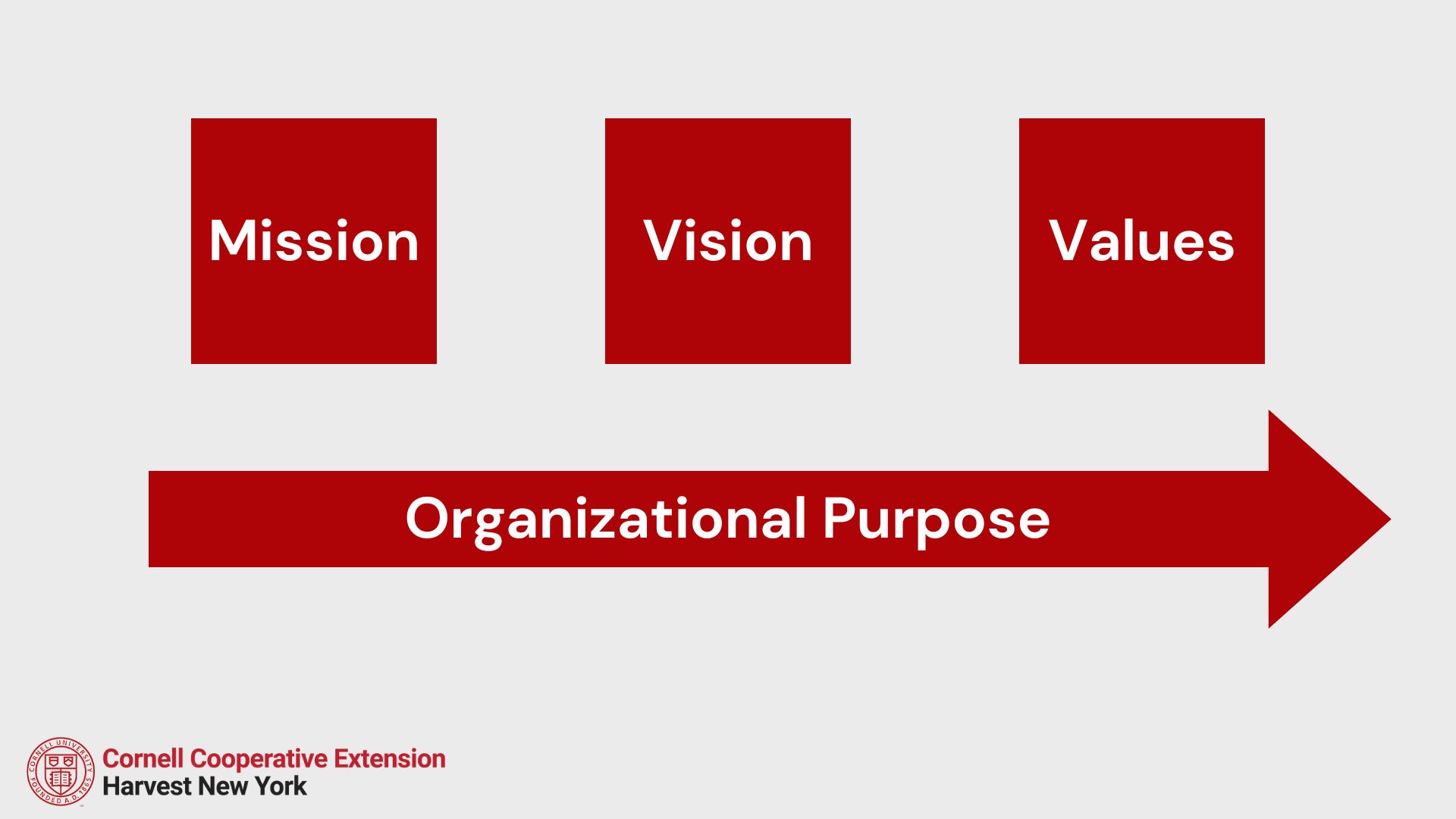
Purpose, mission, vision, and values are interconnected yet distinct components of an organization’s strategic framework. The mission outlines what the organization does and its approach to achieving objectives -- the ‘what we do’, while the vision describes the ideal future the organization aspires to create -- the ‘what we do long term’. Values represent the principles and beliefs that guide the organization’s behavior, approach and decisions -- the ‘how we do it’ (Harvard Business Review, 2014). Purpose, on the other hand, is the overarching reason for the organization’s existence -- the ‘why we do it’, which informs the mission, vision, and values. As highlighted by Harvard Business Review (2023), a well-crafted purpose statement fosters alignment, inspires stakeholders, and provides clarity during times of uncertainty. Community garden leaders should prioritize developing mission statements, vision statements, organizational values, and a clear organizational purpose to establish a strong foundation for their garden.
A purpose statement, in particular, is the cornerstone of a community garden's identity. It articulates why the garden exists and whom it serves, providing clarity and focus for all stakeholders. Without a defined purpose, community gardens may struggle to align their activities, attract resources, and build a cohesive leadership team.
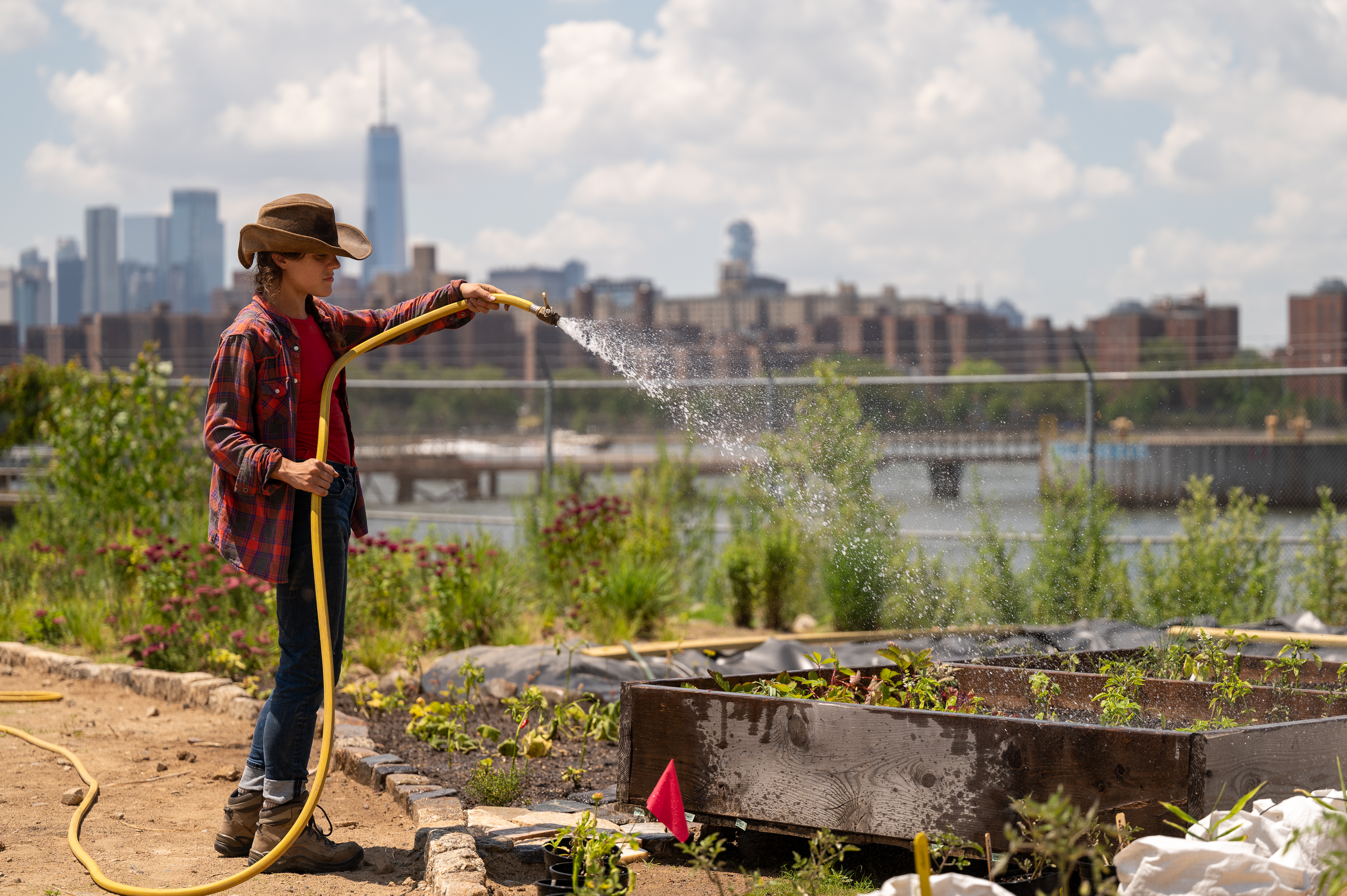
Community garden leaders who invest time in creating a thoughtful purpose statement will find it easier to communicate their goals, maintain focus, and adapt to challenges, ultimately ensuring the long-term success and sustainability of their garden. Having a clearly defined organizational purpose not only drives internal decision-making but also strengthens the garden's external presence. Potential funders, partners, and volunteers are more likely to support an initiative with a compelling and well-articulated purpose. Additionally, the purpose statement serves as a guiding framework when developing the mission, vision, and values, ensuring consistency and alignment across all organizational aspects.
Developing or revising a purpose statement can occur at any time and should include key stakeholders, members of the garden’s board or leadership team to ensure that the purpose statement reflects diverse perspectives and resonates broadly. Each stakeholder should answer the following questions and reflect on the specific needs the community garden aims to address. Consider the primary objectives of the garden, like providing access to fresh produce, promoting environmental sustainability, or creating a space for community-building and education, and be prepared to discuss during the strategic planning meeting. By the end of the meeting, you should have a simple, inspirational and memorable statement to guide your garden’s activities (Leading Resources Inc., 2016). A well-crafted purpose statement should clearly convey the garden's core reason for existence.
1. Why does our organization exist? What need/niche do we fulfill?
2. Why was the organization founded? What was its original purpose? Has this changed over time or does this still meet the current needs of our community?
3. In the future, will our purpose change significantly? If yes, then how?
Next, do the next assignment, Developing Purpose Parts 1 and 2.