Module Two Lessons and Overview of Assignment Two
Developing Personal Style
The reading this week gives you an opportunity to start thinking about how to incorporate your home’s architecture and surrounding features into a garden design. It also gives you a chance to consider the amount of time you wish to spend on maintaining your garden.
Garden Style
Good style, like healthy plants, begins with an assessment of the existing condition of your garden site. Consider carefully the style of existing structures to ensure a design that enhances rather than competes with it.
What style is my home?The following are samples of common architectural styles. While it is not all-inclusive try to identify which is closest to your own home or apartment building and start to think about the design of your home and how the garden could complement it.
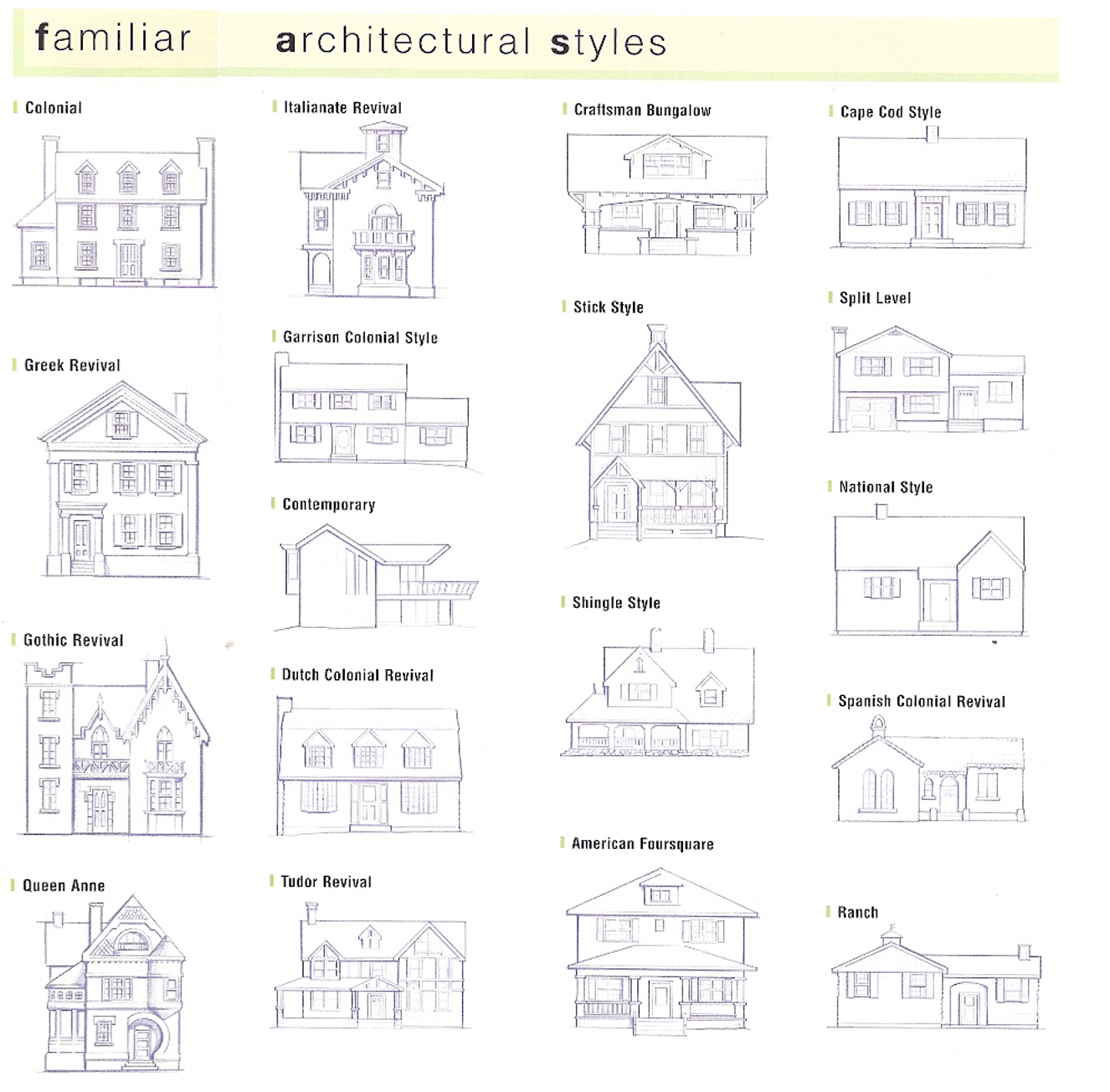
What style of garden complements my home’s architecture?
Exterior style, particularly in front yards, is a balance of individual taste and preference, with neighborhood surroundings. Consider the style of your house and your neighborhood surroundings when planning your garden. Although there are no hard and fast rules, looking to architecture to suggest garden design is often a helpful beginning point. Here are a few examples of the broad styles often associated with garden design.
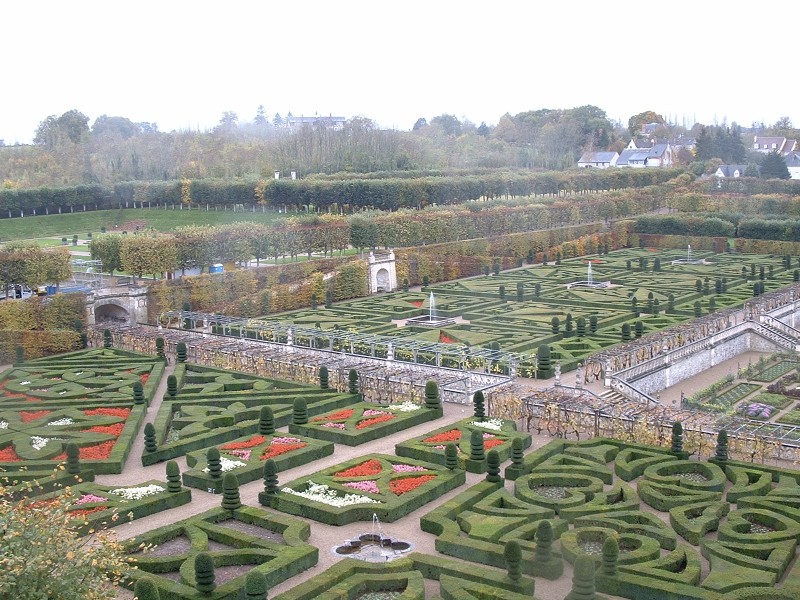
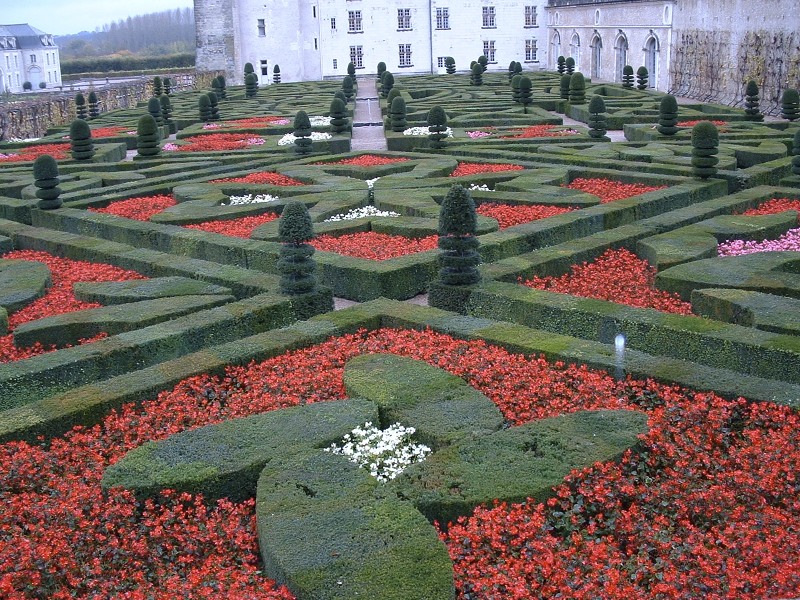
Formal Garden Design
Formal gardens are highly structured gardens often lined with neatly clipped boxwood shrubs. Features typically include geometric, symmetric patterns, topiaries, and delineated paths. Originating in 16th Century Italy and developed in the French Renaissance under Louis XIV, this style was adapted and popularized in America in the late 19th and early 20th century, these gardens are most often seen in large estate landscapes. These are maintenance intensive and should only be planted by those planning to spend significant time working in their garden.
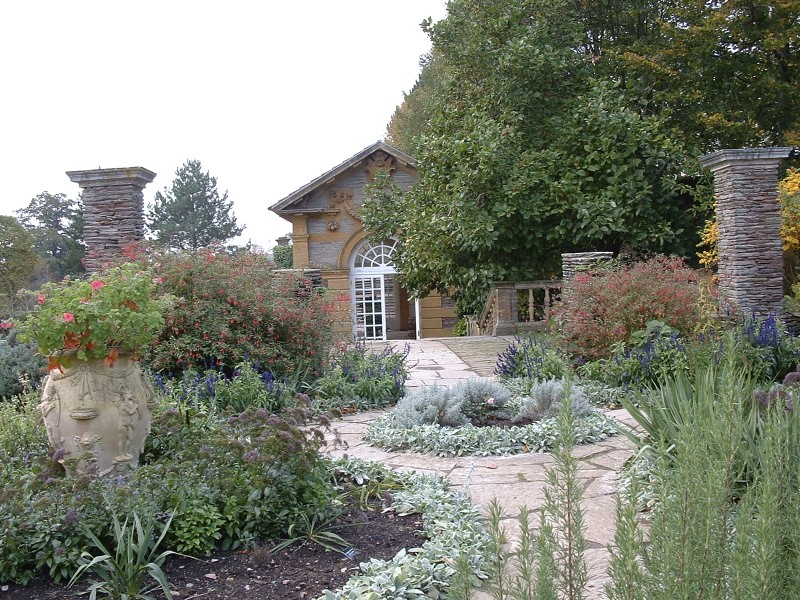
Informal Garden Design
One of the most popular garden styles today is the English country garden. Brimming full of flowers this style is all about plant combinations and succession of blooms. Filled mostly with perennial flowers, but often including flowering shrubs, this style is a great choice for American home gardens as the plant choices can be adapted to most climates. English Country gardens were a rejection of the formal French style and often include arches and trellises covered with clematis, climbing roses, or trumpet vine.
Though English country gardens may look like randomly planted flowers, attention to plant height, color, and bloom time is essential. These gardens are usually water intensive gardens, so careful consideration of irrigation may be necessary. Although it may seem counter-intuitive, this style is also a high maintenance style and requires frequent attention to pinching back spent flowers, as well as dividing of plants, staking, and so forth -- all to maintain that rambling, natural appearance.
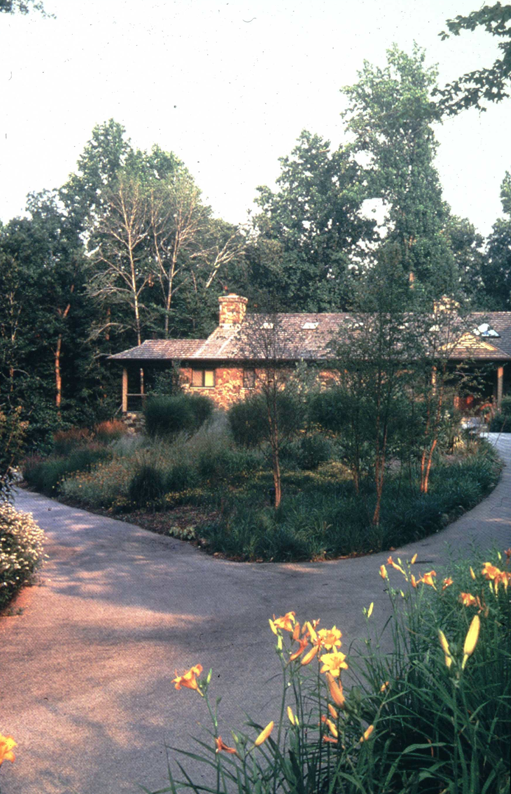
→Main Text: Read about Informal Garden Style on pg.46
Naturalized Gardens
Naturalized gardens are great choices for a log home or other rustic home styles although the ideals and practices are becoming more popular in an urban setting as they tend to be ecologically mindful. These landscapes are typically planted with native plant species and may reflect the indigenous plantings surrounding your site. Though these gardens often look random, they, like English Country gardens are usually quite intentional. Your plant and placement choices should still consider good design principles.
→Main Text: Read about Natural Garden Style on pg.74
Japanese Gardens
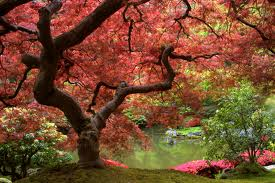
Soon after World War 2, Japanese gardens began popping up across America. These gardens are designed to be peaceful respites for meditation or relaxation. Their hallmarks are simplicity and mimicking a natural quality. Built around rock, plants, and water, Japanese gardens portray the larger landscape into a defined garden space. Often included, but not essential, are lanterns, fences, and gates.
Well suited to small urban courtyards, Japanese gardens fit well into a contemporary or modern setting. Plant choices reflect the quiet nature of the garden and are most often chosen for shape and foliage texture rather than flower. Exceptions are the flowering cherry trees frequently seen in these gardens. Again, like the French style these gardens tend to be highly manicured and despite their peaceful nature, Japanese gardens require a lot of maintenance.
Personal Plant Preferences
If you have a favorite rose, yearned for a Japanese maple, or longed for that special flower that was in Grandmother’s garden, list those preferences now in your notebook or the side of your site plan. You will have to consider whether your garden site is appropriate for your choices, but a listing now will help you begin to narrow down the possibilities later. If you can’t think of any off the top of your head, create a space, maybe in the front cover of your notebook for jotting down plants you come across that you like and would like to incorporate in your design.
You can also list your preferences in a more generic style such as “a shrub that flowers in the spring”, or “a tree with great autumn color”, etc. This list is not your final plant list, but should reflect those favorite varieties that you would like to include in your garden.
Personal Style Development
Now that you have seen examples and understand a few different traditional garden styles, you may feel closer to understanding your style. Maybe one affects you in a certain way, and would complement your home style in perfect coordination and you are all ready to get to the drawing board! If this describes you then get out some paper and start drawing, but most likely this is not the case.
As styles change and develop over time, as with any art form (painting, music, fashion), the most interesting examples tend to incorporate multiple techniques as successful new styles usually juxtapose classic aesthetic principles in a way that is harmonious and seemingly effortless. While this sounds intimidating, let us be the first to tell you - it’s not. All designers simply borrow elements of gardens that they like or that fit the needs of the task.
Here’s an example of how it works: Maybe you like the simple lines and manicured style of a Japanese garden, but want to incorporate some native species since you aren’t thrilled with the idea of pruning every weekend and want some species that do well on their own in your climate. Look at naturalized gardens to get an idea of plant types that require little maintenance. Once you have some plants identified, take a look back at Japanese gardens for a sense of shapes and forms. Then go back to your low maintenance plant list to see if any have the same characteristics. Suppose none of them resemble the shapes you really like in Japanese gardens. Consider those shapes and maybe you have to design a planter box or series of plantings that mimics the shape. Now you’re on the right track!
Finding ways of interpreting the moods and expressions of the styles you like in other ways is the secret to inventing new designs. So make a little sketch of one of your native grass species planted in the shape of a manicured hedge you would see in a Japanese garden. Maybe it looks a little unruly and nobody would ever think it was “Japanese-influenced,” so you go back to examples of naturalized gardens for more ideas. Then it occurs to you, and you can imagine a low maintenance and drought tolerant Umbraculifera American Arborvitae. Hmm…maybe this could work because of its umbrella shape.
On the next page is an example of a rock bed used in place of a labor intensive lawn. Now you begin to draw a picture of the native grass planted in a well-defined curved pattern throughout a rock bed in the shape of your garden. You place the tree a little to the left and suddenly you have the beginnings of a garden reminiscent of Japanese style, using low maintenance features!
Our primary point is not that you mimic the above scenario, rather, to illustrate how our thinking meanders, draws on creative influences, borrows from here and there, and results in something unique to you. Gardening is not literature - you will not be accused of plagiarism for using an idea you see in someone else’s yard in your home garden. Play with different ideas that excite you and see how they mix together. French style was borrowed from Italian style, and the English Garden style was a rejection of the French and all of those styles borrowed heavily from Japanese. Yet, all of them succeeded and came into being as they were carried out; something from each “personality” contributed to the mix, not necessarily as an intention either. It is difficult to cover up your own footprints on anything if you are working thoughtfully to create. This is your space to do what you want to do and we urge you take advantage of that. When else are you allowed such freedom?
Unity
Style is dictated by unity. As we have mentioned in previous sections, styles may be made interesting when juxtaposed, but the other part of a compelling design is interweaving your ideas in a way that is harmonious. We will learn more about unity and taking on the physical elements of design principles in Module 3, however continue to collect exciting elements of style that inspire you.
Our friend Craig Cramer has developed this online Garden Personality Test that you can take for fun to get an idea of where you are in the garden personality spectrum. Try it out!→Note: to navigate through the lessons each week, click on the grey button on the bottom left to go to the next lesson page.