Section 4.1 Lesson and Overview of Assignments
Building Partnerships and Outreach – Overview & Background Information
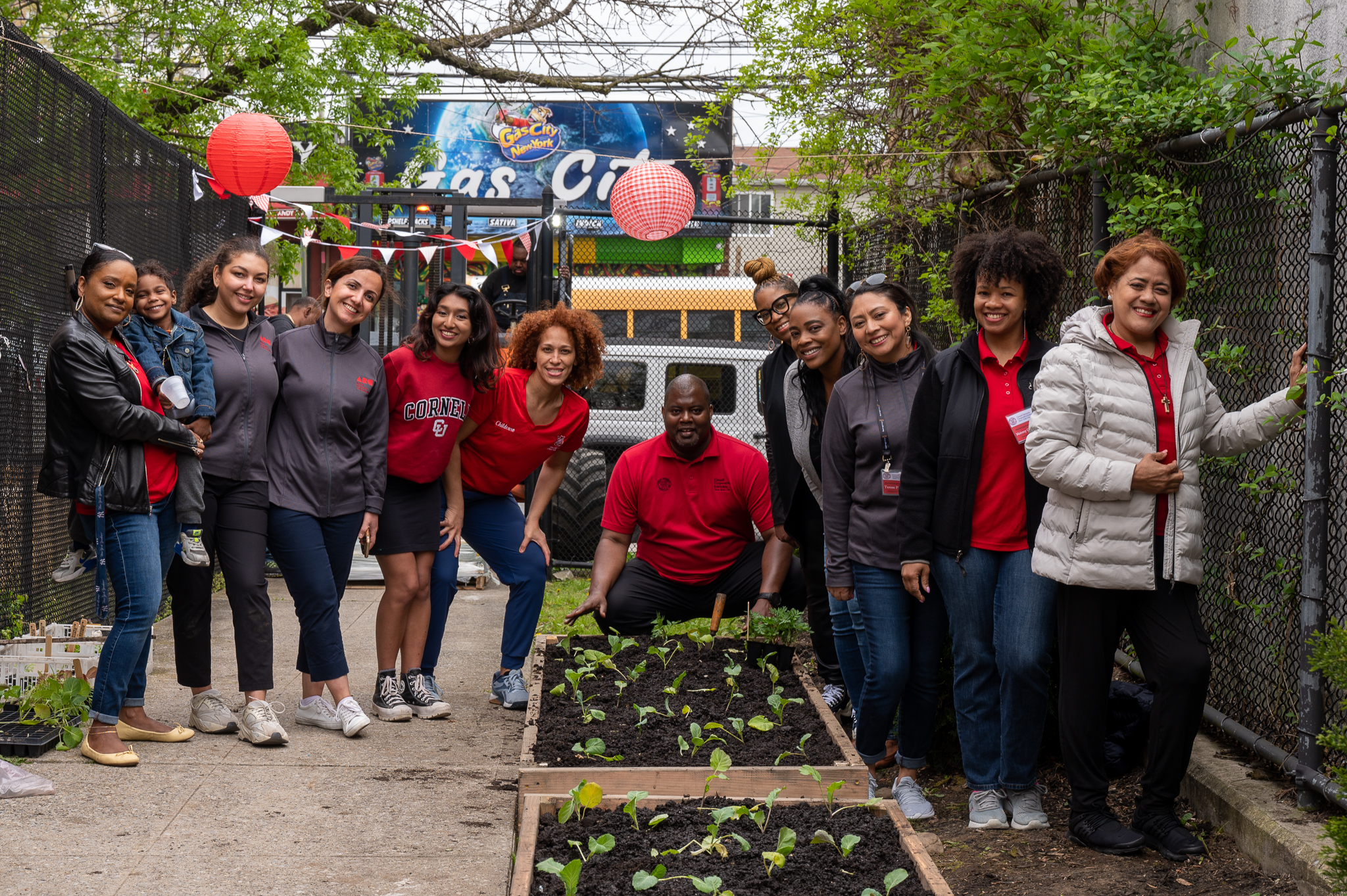
Strategic partnership are collaborative relationships between two or more organizations that align their resources, expertise, and efforts to achieve shared goals. Unlike casual collaborations, strategic partnerships are designed to create long-term, mutually beneficial outcomes by leveraging each partner’s strengths. These partnerships can exist between nonprofits, businesses, government agencies, and community organizations, helping to expand outreach, improve efficiency, and increase access to funding or resources. In the context of community gardens, strategic partnerships might involve working with local schools for educational programming, businesses for sponsorships or joint community initiatives, or government agencies for land access and policy support.
These relationships not only strengthen the garden’s foundation, but also ensure long-term success by embedding the community garden within the broader community network. Through strategic collaboration, community gardens can grow beyond simple green spaces into thriving hubs of learning, wellness, and connection. To gain deeper insights into successful partnership-building strategies, this section presents case study interviews with community garden leaders from across New York State. These interviews highlight real-world experiences, challenges, and best practices in forming and maintaining partnerships with local businesses, government agencies, nonprofits, and community organizations. By exploring diverse approaches to collaboration, these case studies offer valuable lessons on securing resources, fostering community engagement, and ensuring long-term garden sustainability. Below is more information on the featured community garden leaders:
Matthew Schueler is the Chief Program officer for Community Development at Capital Roots, supervising their community gardening program, which started in 1972. He has been with the organization in a variety of positions since 2007, using his experience in the trades and as a reporter to do everything from grant writing to overseeing the design and construction of the Urban Grow Center, Capital Roots regional food hub.
Renee Keitt is a 2017 Farm School NYC graduate and has been supporting Kelly Street Garden in the South Bronx for several years. She has become the defacto manager overseeing volunteer groups, crop planning and several of her own projects which includes seed saving, herbal products, and cultivating mushrooms. She has been invited to participate in the 2019-2020 HEAL School of Political Leadership. Previously she was the garden manager for Chenchita's Garden in Manhattan and sits on the board of the NYC Community Garden Coalition.
Amelia joined VINES as the organization’s first Executive Director in February 2016. As a volunteer, Amelia began working with VINES in 2007 as a founding board member and the coordinator of the Liberty Street Community Garden. Prior to joining VINES, Amelia worked for United Way of Broome County spearheading the Healthy Lifestyles Coalition’s Eat Well. Play Hard. Binghamton! project (a pilot initiative working to improve the health of families on the North Side of Binghamton) and the City of Binghamton as the City’s Sustainable Development Planner. Amelia holds a Master’s degree in Agriculture, Food, and the Environment from Tufts University’s Friedman School of Nutrition Science and Policy. Having grown up on a farm in Otisco, NY, she enjoys working with other community members to make space in the urban neighborhoods for people to grow their own food and connect with the local environment.
Each leader shares their unique perspective on how partnerships have shaped their garden’s growth, strengthened community ties, and contributed to broader food justice and environmental initiatives. Through their stories, we can better understand the impact of strong networks in supporting vibrant, resilient community gardens.