Week 3 Assignment

Number of replies: 54

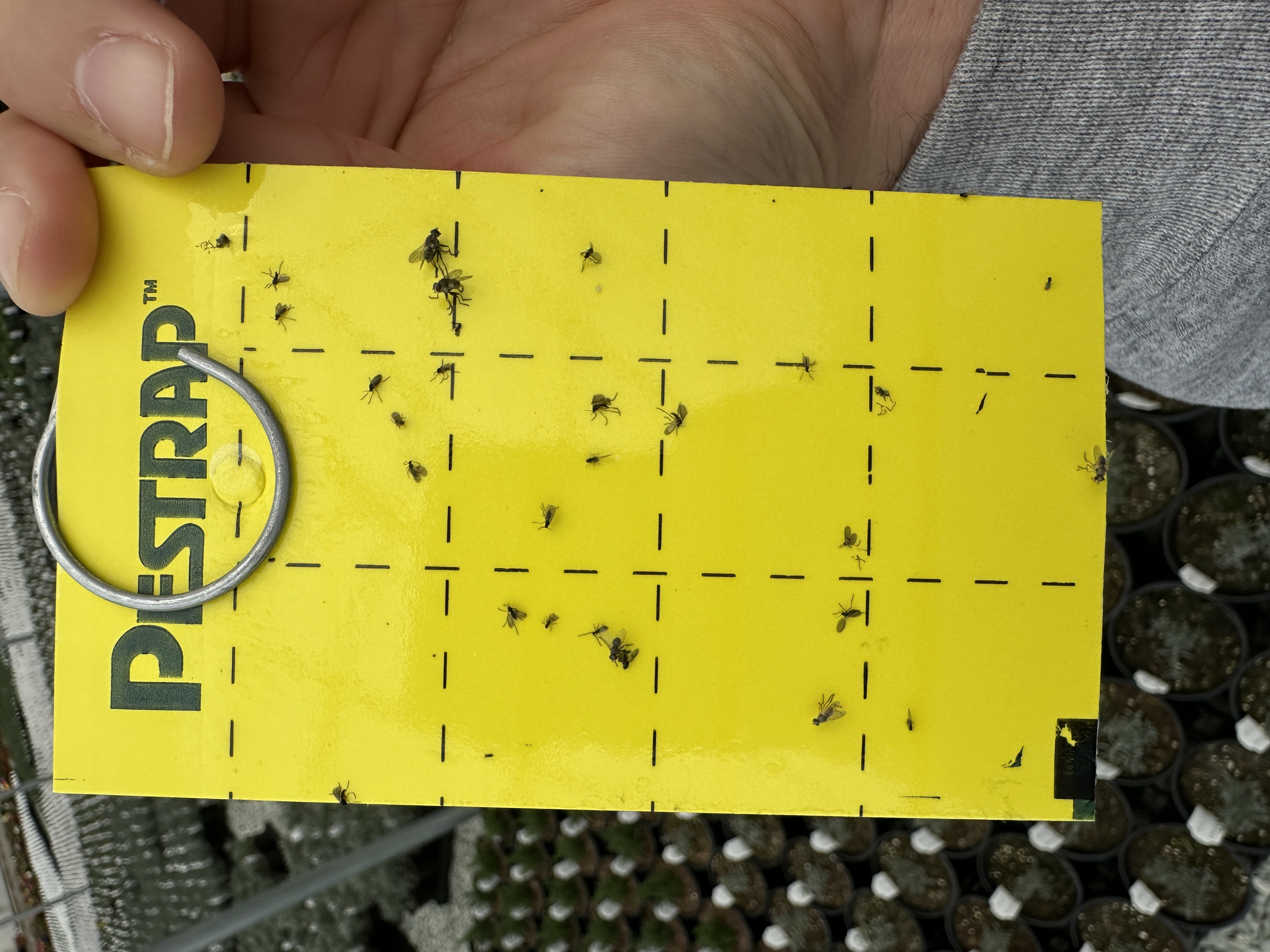
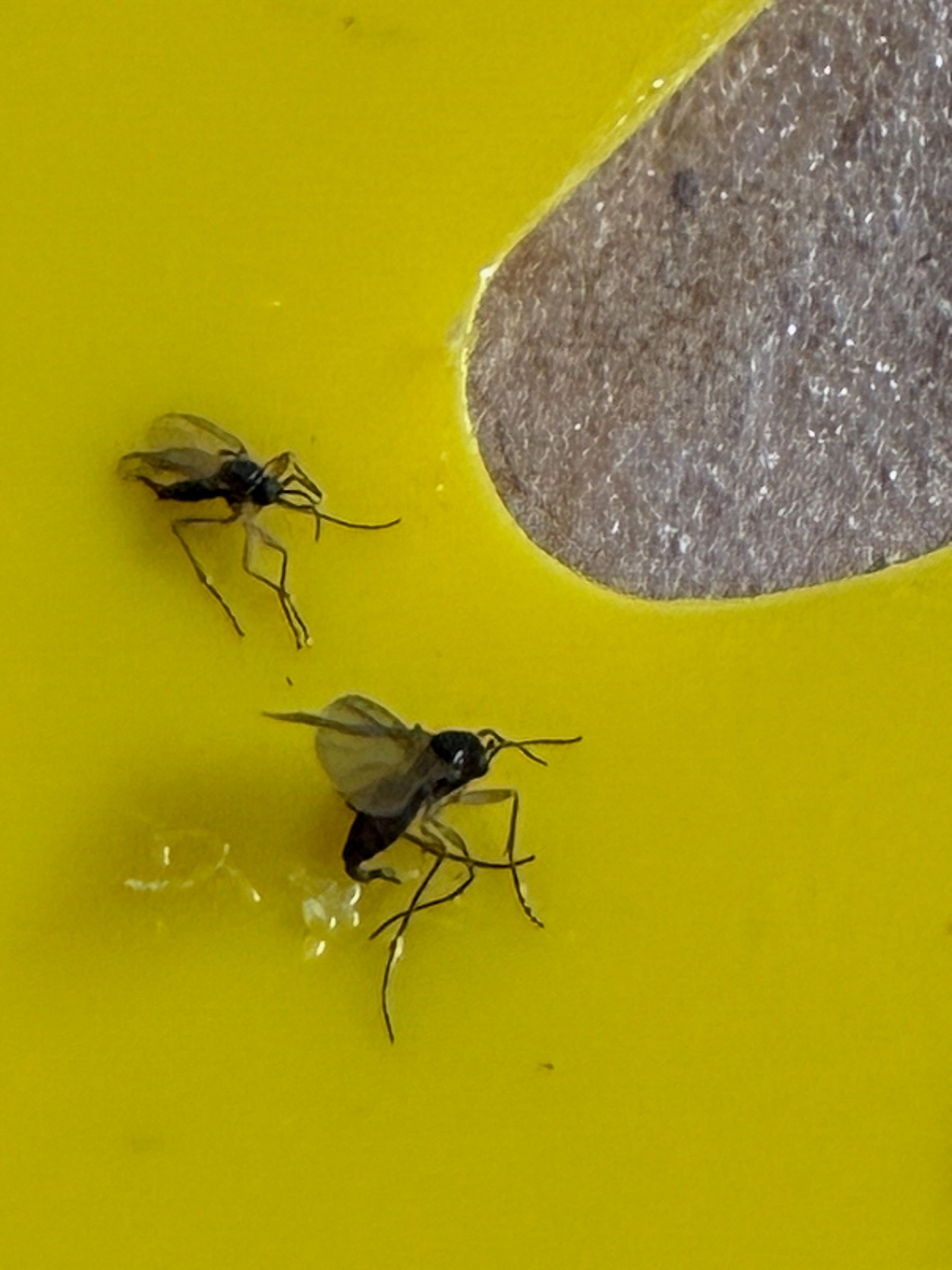
1. Check your sticky card(s) after one week.  What insects are you able to identify? Record the number of each type of insect that you know and post pictures on Moodle. Or post the ones you don’t know and see if the rest of the class can help out. Uncover the reverse side of the card (if you only uncovered one side last week) or replace the card and add a second card in a different area of the same house. If nothing was stuck on the card try to determine if a) the card isn’t sticky enough,  b) the card was wet (under mist?) or c) there really aren’t any pests active yet.

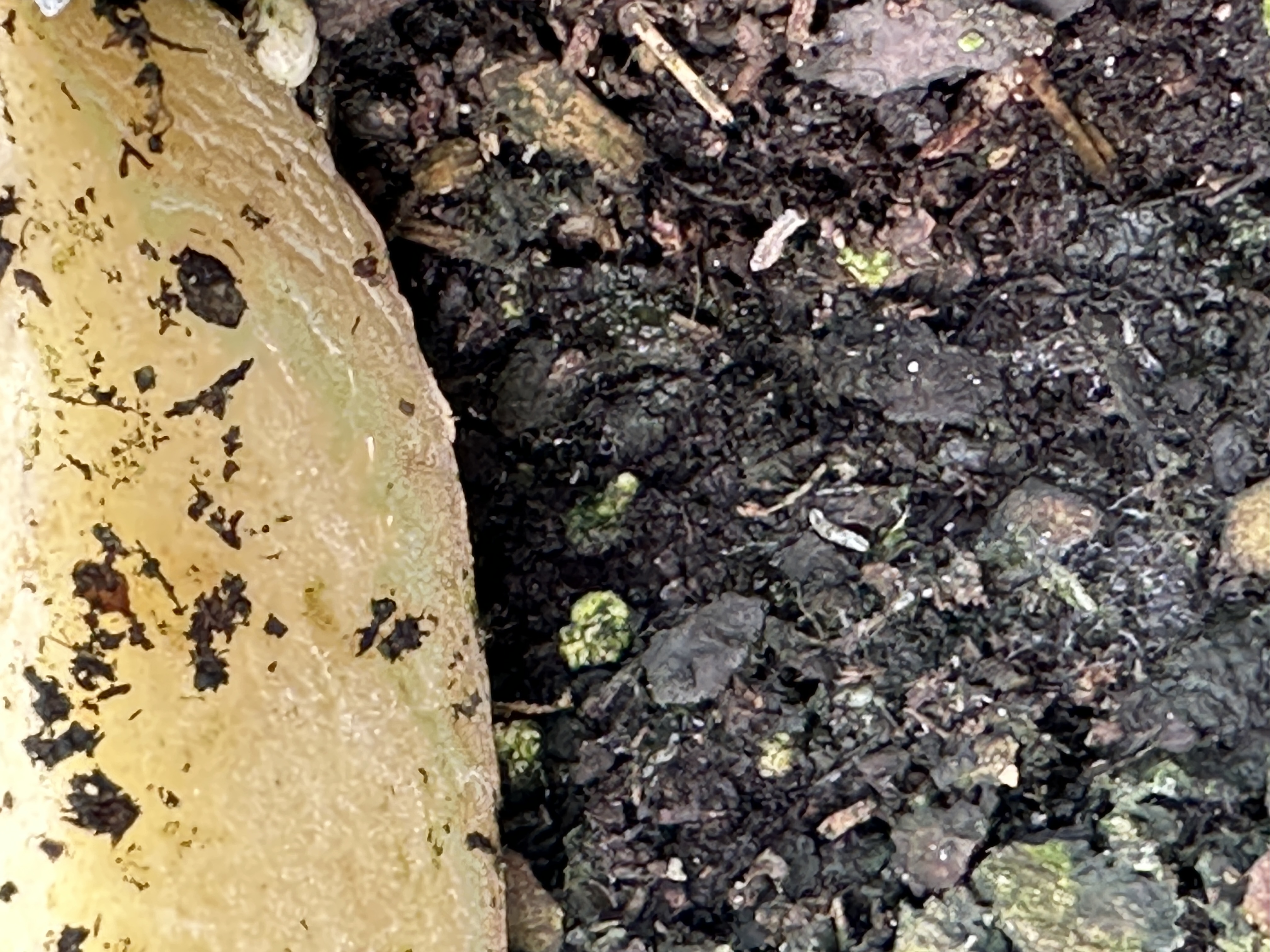
2. Check your potato wedge for fungus gnat larvae and post pictures of what you find.  If there aren’t any larvae see if you can tell if 1) the wedge is not moist enough or touching the soil on a cut surface or 2) there aren’t any fungus gnats.  Compare results to your sticky cards. (You can probably dispose of the potato wedge after this.)

3. Pick one crop in your greenhouse and see what information you can find on common insects and diseases. Share that information in the forum.


To Post Your Reply: 

  1. Click on Reply and type your response in the text box. 
  2. To post an image click on the Advanced link and then click on the image icon in the tool bar at the top of the text box. 
  3. To post an attachment, click on the Advanced link and drag and drop your file in the attachment box. 
  4. Click on Post to forum to submit your reply

In reply to First post

Re: Week 3 Assignment

by Amy Howansky -
Fungus gnat larva on potato 2
Hi everyone,
1. Sticky card #1 on Peperomia = one fungus gnat adult on yellow side; nothing on blue side
2. Sticky card #2 on Maranta (prayer plant) = one fungus gnat adult on yellow side; one fungus gnat adult on blue side
3. I think there were not more pests for these reasons:
Too much overhead watering with a wand may have damaged some of the pests because I thought maybe I saw a pair of legs but no body a few times.
Not that many pests in the greenhouse because the managers reported that they don’t usually have huge problems with insect pests.
I had to place the cards in less-than-perfect locations because I had to respect the owner’s request to not make the cards very visible since his customers have often equated one pest sighting with “full-blown” infestation, so this visual can be a negative marketing issue for him.
4. Potato on two house plants in main greenhouse:
One potato was accidentally moved and discarded by a greenhouse worker, so I got no results.
One potato accidentally left the building with the plant when a customer purchased it, so I hope there were no fungus gnat larvae in it!! Ironically, one of the managers and I specifically selected that plant for the potato experiment because it was the least likely one to get purchased.
5. Potato on venus fly trap in separate area of the greenhouse used for recovering plants:
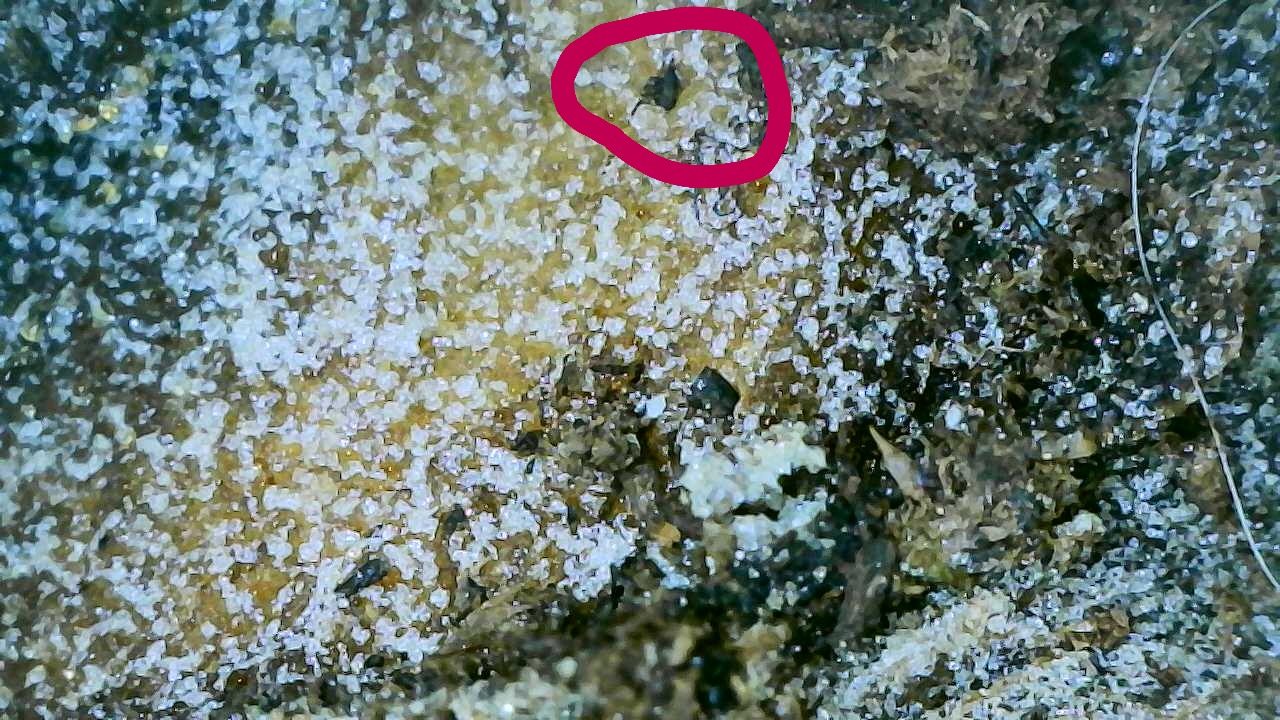
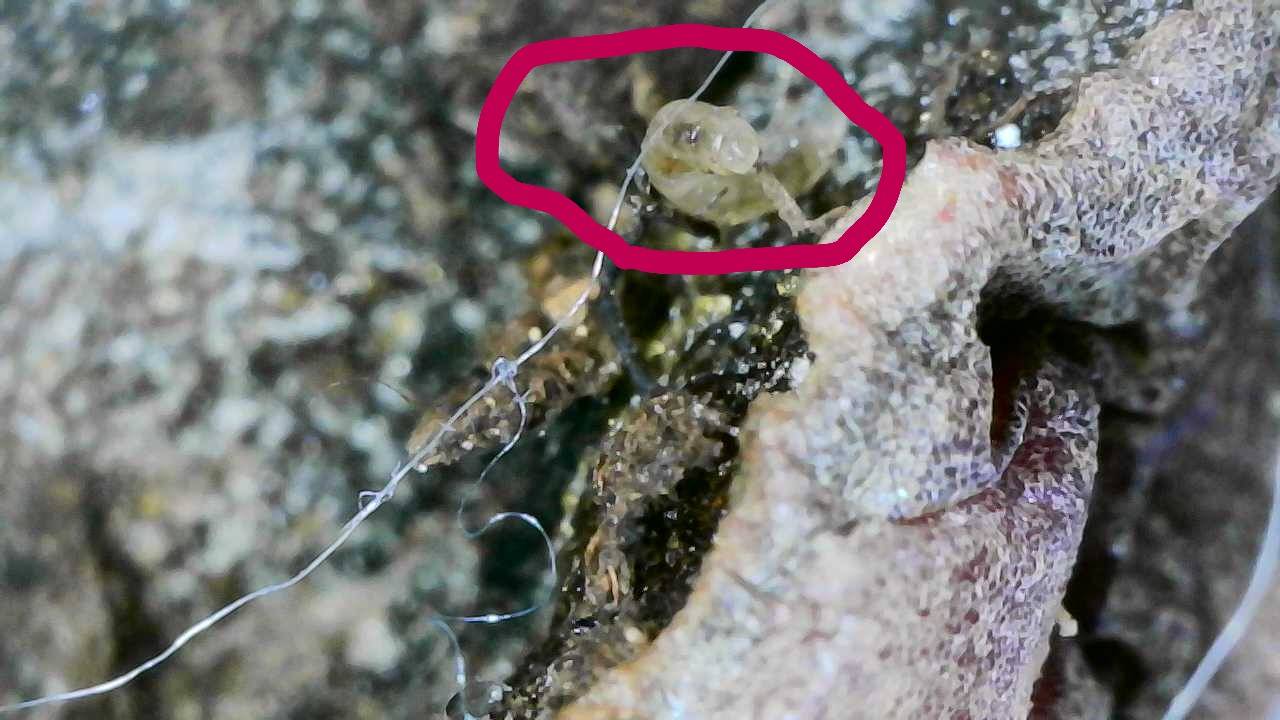
I definitely saw a fungus gnat larva with a black head while examining it with the Optivisor. When I tried to find it with the handheld lens, I could not see it. The potato was very “spent” by then because I waited a few days to check it.
I then found a larva but it does not have a black head, unless the head is pointing down and not visible from this viewpoint.
I also think I found a carcass of a fungus gnat larva.
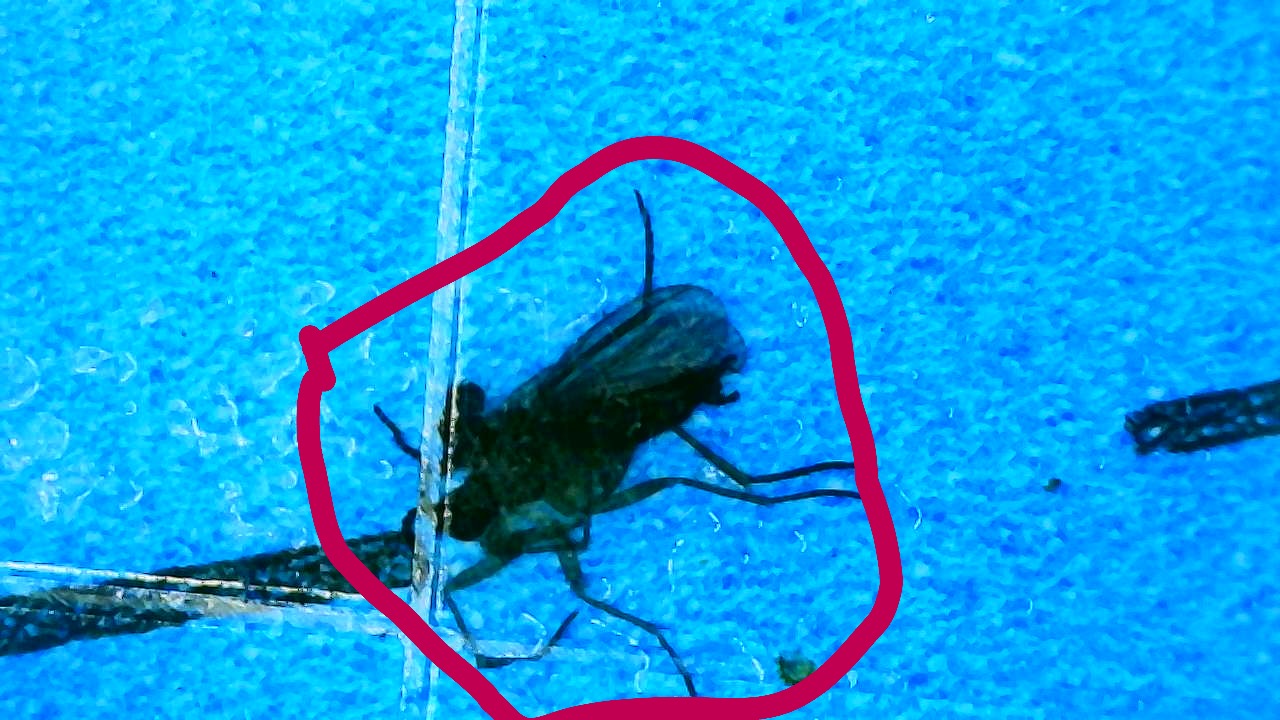
Also, can you see the black item circled in one of the other pictures? Is that an aphid mummy or carcass?
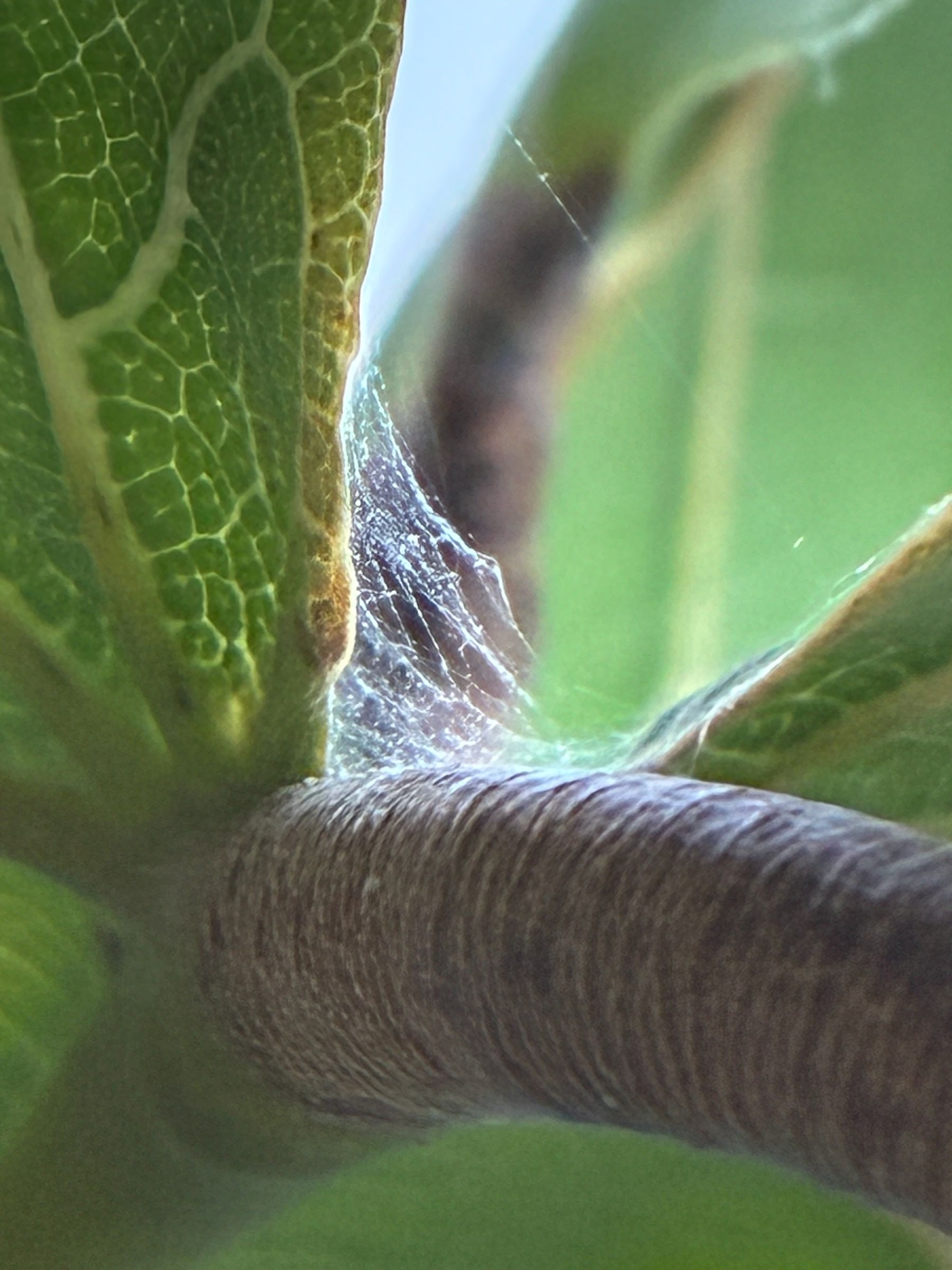
And… I saw an insect running around and tried for a long time to get a clear picture, but could not. So, I took a series of pictures and then used Clipchamp to make a video to show the path I saw it take.
6. New things learned with technology:
I used “markup” in the picture editing options to put red circles around the insects.
I tried Clipchamp to make a video by linking several still shots together in the video editing app.
7. Things to do differently next time:
Check the potato after one day.
Bring a phone charger because the handheld scope seems to use a lot of juice.
Ask the current greenhouse worker to tell the next greenhouse worker about my sticky card and potato placements. I think I have now met everyone who waters and helps customers in that greenhouse, but there are many front-end cashiers, and I have not met them all yet, so there is still a chance that a customer will walk out with one of my test plants. The plants were all very clearly marked with flags and wording indicating that they were part of an experiment.
8. I have added new sticky cards in a different area where I saw an insect fly by.
9. I added new potatoes where I last saw the fungus gnat larva on the previous potato.
10. I will comment under my own post here to later add the information about the plant we are supposed to research. I am doing Livistona (Chinese fan palm).

Have a great week, everyone!
Amy Howansky
In reply to Amy Howansky

Re: Week 3 Assignment

by Amy Howansky -


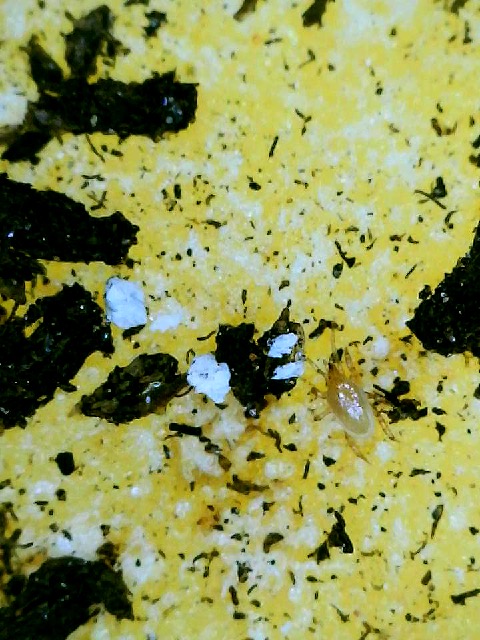
This is a video made up of several still shots to try to show you an unknown insect I found crawling on the potato.

In reply to Amy Howansky

Re: Week 3 Assignment

by Tiffany Donaldson -

I dont know for sure, but this kind of reminds me of a springtail. I know there are a lot of bioactive soil blends that include them. Some are pests, but some are really good at breaking down plant matter in the soil. I hope its the good kind!

In reply to Tiffany Donaldson

Re: Week 3 Assignment

by John Sanderson -
Tiffany, I think you're right. This looks like a springtail. And springtails are not pests unless they very rarely occur in enormous numbers.
In reply to Tiffany Donaldson

Re: Week 3 Assignment

by Elizabeth Lamb -
Good eye! We are always trying to get a side view of springtails but they are so small and fast.
In reply to Amy Howansky

Re: Week 3 Assignment

by John Sanderson -
Amy, I can't tell for certain what the insect is in the photo above, but my guess is that it's a fungus gnat adult. Can't see the wing veins very well.
In reply to Amy Howansky

Re: Week 3 Assignment

by Elizabeth Lamb -
You are learning all the things that can happen in a retail space for sure! I'm very impressed with your technology aquisition!
In reply to First post

Re: Week 3 Assignment

by Tiffany Donaldson -
A Few Pests and Diseases in Geranium Plants
Prior to this course, the only pests I had to deal with on geraniums have been mammals nipping buds, raccoons tipping pots, and a June beetle infestation in the summer. However, overwintering geraniums inside in a greenhouse setting has delivered an entire new set of challenges.
 
My main problem working indoors with geraniums has been the various root roots which we have talked about in class. With the new information I have gathered from the course, I believe my main issue is using field soil and old pots, which carry fungal spores and bacteria.
 
Pythium stem rot (also known as ‘Blackleg’) is a disease caused by the fungus Pythium. This fungus causes rapid death of the plant as it starts from the base of the stem at the soil line. This causes the plant to collapse and die. Roots become rotted and lose their outer layers. This fungus favors wet soils and spreads through contaminated tools, soil, water and pots.
 
Another type of root rot is bacteria driven. Bacterial blight, caused by Xanthomonas campestris pv. Pelargonii, can cause water-soaked spots under the leaves. This is followed by brown/yellow V-shaped. The first sign of disease is usually seen on lower leaves. Eventually, this can progress to stem tissues, causing them to become dark and rotted.

From the research I did, preventative maintenance is key. To prevent this fungus or bacterium from taking ahold of your geraniums, destroy infected plants and their soil immediately to prevent their spread. Always clean pots and tools with a bleach solution after use, and use well-draining, sterile soil for overwintering.
 
The last pest I did research on were Geranium Budworms. I found that these are generally a garden pest, but they can pop up in greenhouses given the correct conditions. These caterpillars consume the buds and petals of geraniums (as well as petunias). Doing so, prevents the flower from opening. Monitor for this pest by checking flowers and buds for small holes. They are more active during dusk, but you can still see them during the day if you look towards the base of the plant.
Sources:
(https://yardandgarden.extension.iastate.edu/article/1995/8-25-1995/gerphy.html)
( https://yardandgarden.extension.iastate.edu/article/2006/3-8/geranium.html#:~:text=Bacterial%20blight%20and%20Southern%20bacterial,is%20free%20of%20the%20pathogen. )
(Budworm - Petunia Calibrachoa, Geranium : Center for Agriculture, Food, and the Environment (CAFE) at UMass Amherst)
Tags:
In reply to Tiffany Donaldson

Fly ID

by Tiffany Donaldson -
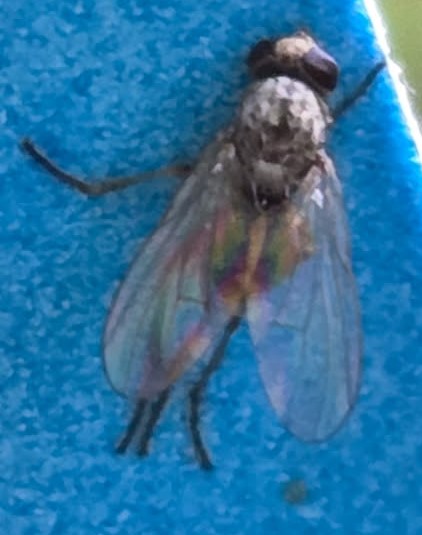
On one of my blue sticky cards, I found robust looking fly. I do not think it is a shore fly, mainly because there are no algae issues in this area. Upon further inspection, it also does not have the white spots on its wings. The wings rest a little differently, as well. At rest, they do not fold over top of each other like they do in shore flies. From the research I did to identify it, it seems that a root maggot fly may be a good candidate. (I went to look at it under the handheld microscope and accidentally crushed it, so this is the best photo I could get of it...)
This fly was found on one of my geranium plants. I used field soil to overwinter these, and I think I am learning my lesson about not doing that. We even found a June beetle earlier in the week (in January!)

Attachment MaggotFly.jpeg
In reply to Tiffany Donaldson

Re: Fly ID

by John Sanderson -
Definitely not a shore fly. While it is possible that this is a root maggot fly, it also could be a number of other fly species. There are not enough characteristics visible in this photo to be able to identify it. By the way, whenever possible, try to use some object in a photo that would provide an idea of the size of an insect. A coin, the tip of a pen or pencil, etc.
In reply to Tiffany Donaldson

Re: Week 3 Assignment

by Amy Howansky -
Tiffany,
Thanks for posting about the geranium budworm.. I have never heard of that before, but I have seen the damage. I googled more about it so I will be on the lookout this year.
Amy
In reply to Tiffany Donaldson

Re: Week 3 Assignment

by Tiffany Donaldson -

I looked at the potato wedges under the handheld microscope. I did this part of the homework on my coleus plants, as I have had fungus gnat problems with these in the past. I did not find any larvae, but I am not surprised. The sticky cards I placed last week only had 1-5 adults present. I also water these plants very little in the winter, as to not open them up to root rots. However, I did see some cool soil microbes that I thought I would share here. I attached a 1 second video, which allows you to see the setae better than a photograph would. I saw quite a few of these guys, so I hope they are good!

In reply to Tiffany Donaldson

Re: Week 3 Assignment

by John Sanderson -
Tiffany, these mites are neither good nor bad for your plants. They're saprophytic, meaning they feed on decaying material and fungi (non-plant-pathogenic) in the soil. I'm guessing that the soil mix is rather old, which allows the many creatures that were there all along but in very low numbers, to become apparent as their numbers increase.
As an aside, mites related to these are the kind of mites that are added to sachets to provide food for the predatory mites in the sachets, such as cucumeris or swirskii or californicus. The sachets contain bran, and feeding on the fungi that grow on the bran are these mites, and then feeding on these mites are the predatory mites. The predators can reproduce in the sachets because the mites provide food. So if you use sachets of one of these predators, you could be releasing both the predators as well as some of these mites. So these mites are not pests or no one would be using sachets for biocontrol.
In reply to First post

Re: Week 3 Assignment

by John Miller -

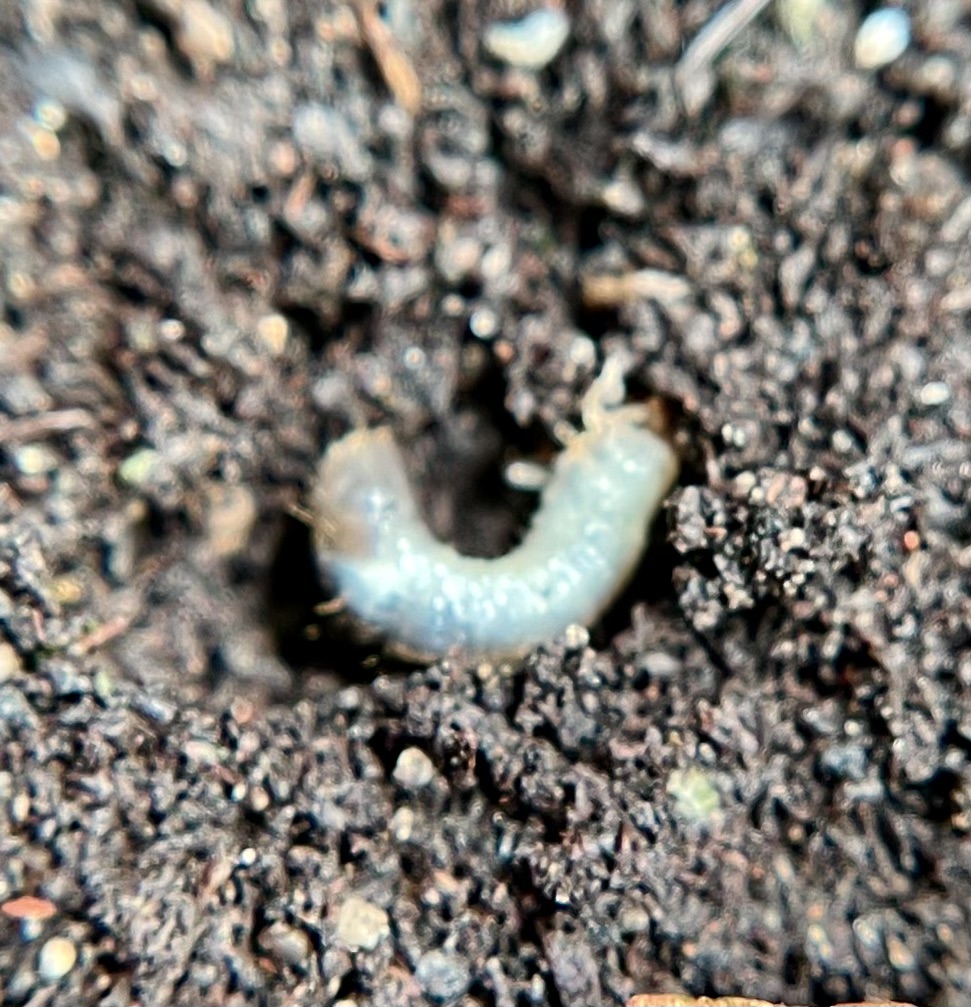
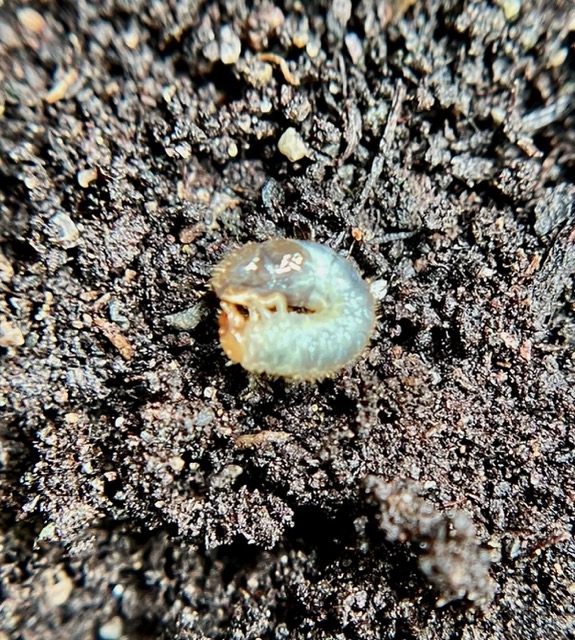
This grub was underneath the potato slice that I had placed to check for fungus gnat larvae. I'm not sure what it is. Maybe a Japanese beetle?  

One of the gardeners asked me to overwinter her Tulsi "holy basil" plant, and it has been in the greenhouse since cold weather started. I've been propagating it. I recognize that it's risky to bring plants into the greenhouse because of the unknown diseases and insects. 

Attachment IMG_3816.jpeg
Attachment IMG_3817 small.jpeg
In reply to John Miller

Re: Week 3 Assignment

by Amy Howansky -
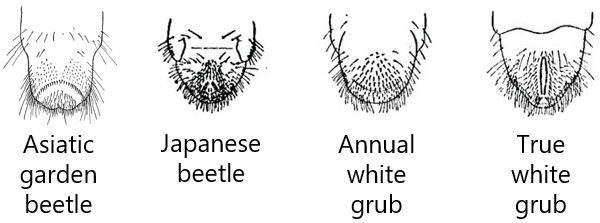
Raster patterns of grubs for identification of beetles
John,
I am NOT a grub expert, but I DID take a class in identifying grubs by looking at their raster patterns. The class was hosted by Cornell Cooperative Extension of Rensselaer County, and was hands-on in that we got to examine lots of insects under microscopes. I enjoyed it and learned a lot, but that was many years ago and I have forgotten the raster pattern identification tricks. Here is a picture of some examples:  (photo credit www.pioneer.com)
In reply to John Miller

Re: Week 3 Assignment

by Elizabeth Lamb -
Does look like a white grub and Amy is right in that it takes some observation to figure out which one. Who knew you would be closely examining grub butts.
In reply to First post

Re: Week 3 Assignment

by John Miller -

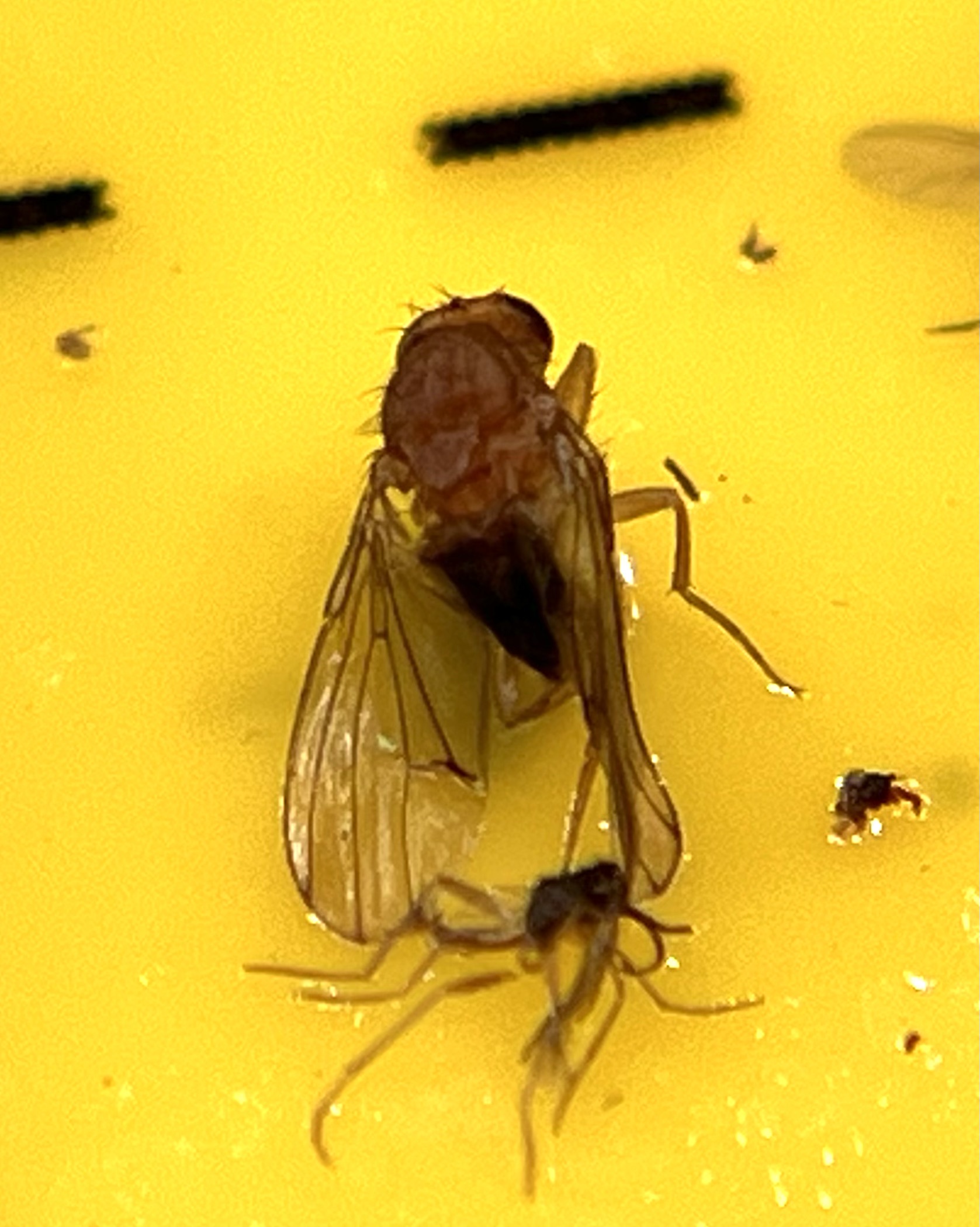
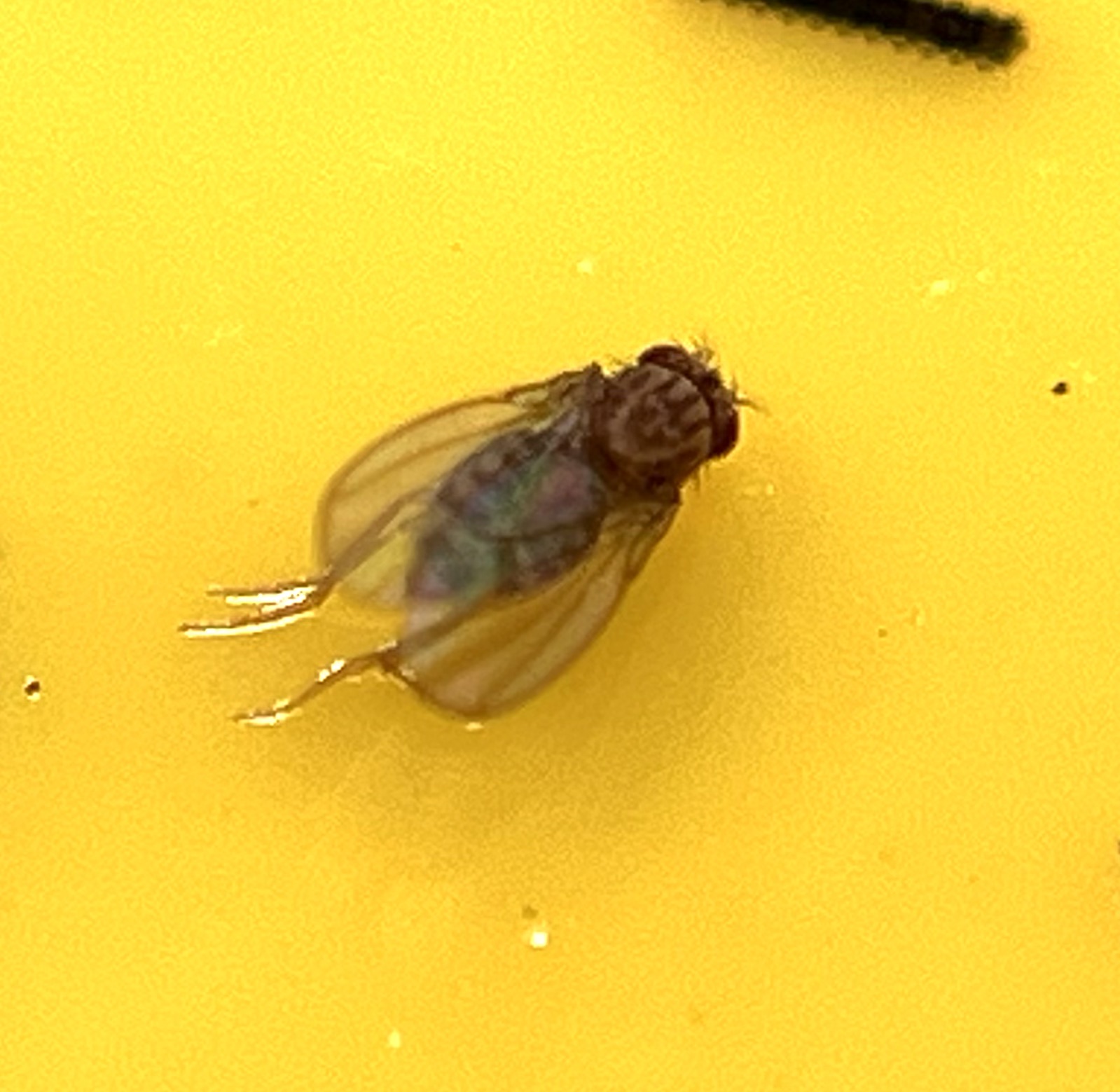
About 10 days ago, I applied nematodes, and the number of fungus gnats has fallen drastically. After a week, two of four cards had no fungus gnats at all. However, I found this as a new catch, perhaps a fruit fly?

Attachment IMG_3819.jpeg
Attachment IMG_3820.jpeg
In reply to John Miller

Re: Week 3 Assignment

by John Sanderson -
The fly in the first photo does resemble a Drosophila fruit fly, though I can't be sure. I can't identify the fly in the second photo, though.
In reply to First post

Re: Week 3 Assignment

by Amy Howansky -
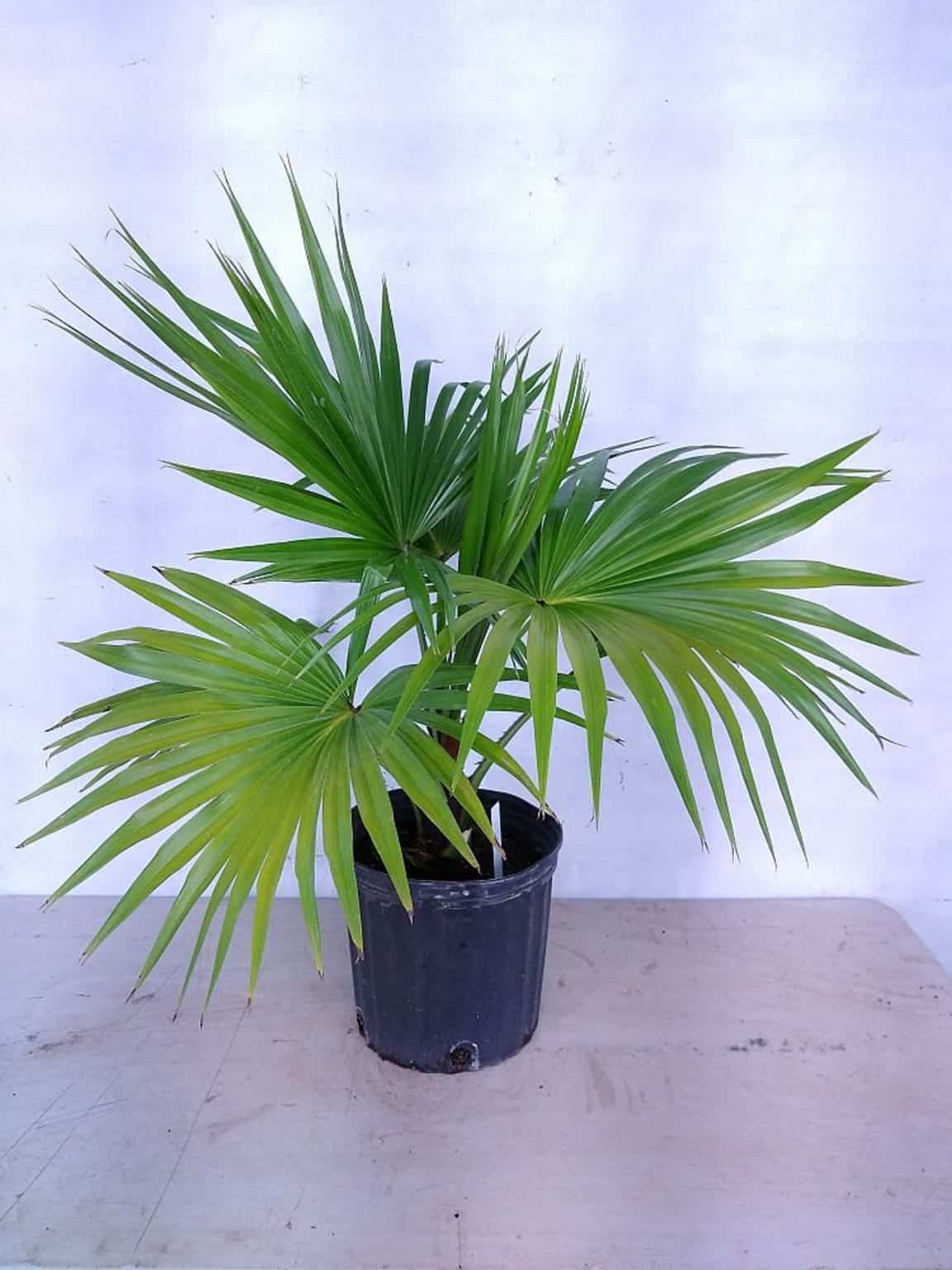
Livistona Chinese Fan Palm as potted houseplantTo finish the assignment, I chose to research Livistona.
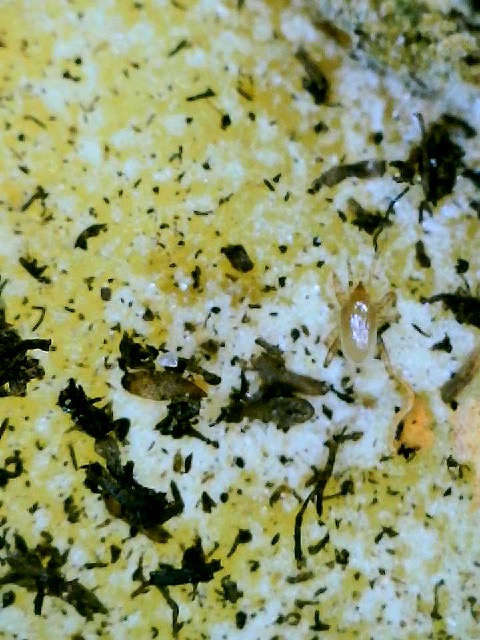
Livistona (Chinese fan palm) is a tropical house plant, but in the wild it can grow 10-30 feet tall. It prefers moist soil and full sun. The large palm fronds have a characteristic droop when they are mature.

A common pest of Livistona is spider mite because they favor the hot, dry environments that can occur in a house during the winter when the air is dry and hot from heating units. Scale insects also cause issues because they suck juices from the stems. Scale appear as small, round bumps, which don’t actually look like live creatures. Mealybugs also pierce the plant tissue and suck the sap. They are usually hiding in plant crevices, and look like tiny pieces of white fuzz. Mealybugs excrete honeydew, which can then support the growth of sooty mold.

Aphids are also piercing/sucking problems, and can cluster on new growth. The damage appears as yellowing and curling of the leaves. Thrips damage the fan palm by leaving “scratches” on the plant tissue surfaces. Whiteflies and fungus gnats are also common pests.

I talked with the greenhouse manager where I am scouting, and she said, “Basically everything bothers them. They are a pain to manage.” When I asked her why, then, does the company bother selling them, she said what is clear to see: they are dramatic and beautiful, and customers love them.

Citation: https://cafeplanta.com/blogs/resources/chinese-fan-palm-pests

Picture credit:  www.paisleyplants.com
In reply to First post

Re: Week 3 Assignment

by Shawn Jenkins -
Week 3- Here are a few pics, the video is of fungus gnat larvae crawling around on the potatoe slice I placed in a potted colea cutting. I did not see a significant differnece from blue to yellow with Thrips and the card that showed the most thrips was laterally placed to catch fungus gnats more and in pots with Boston fern in them. We have had a problem with thrips in our greenhouse for the past two seasons.

Attachment fgnat pic.jfif
Attachment thrip blue.jfif
Attachment thrip yellow.jfif
Attachment week two records.jfif
In reply to Shawn Jenkins

Re: Week 3 Assignment

by Tiffany Donaldson -
Shawn, that fungus gnat video is really cool! You can actually see the larvae pulling some of the potato.
In reply to Tiffany Donaldson

Re: Week 3 Assignment

by Shawn Jenkins -
yeah Im glad the link worked. i wasnt sure. yeah the cameras that came with the class have been a game changer for me to see everything.
In reply to Shawn Jenkins

Re: Week 3 Assignment

by Elise Schillo-Lobdell -
Shawn, were there any hanging baskets over the card that had caught the thrips? I have never known Boston ferns to have much of a thrips problem so I’m curious about what else might be around there.
In reply to Elise Schillo-Lobdell

Re: Week 3 Assignment

by Shawn Jenkins -
no there was not. I dont see much damage on the ferns, I suspect the thrips are in the greenhouse due to other plant materials, the tomato plants most likely which did have thrip damage early before treatment.
In reply to First post

Re: Week 3 Assignment

by Brian Eckert -
Nothing exciting to report. I had my blue/yellow sticky card out for a week and I only caught one thing - some sort of wasp, possibly one of our Encarsia formosa's that I released in December. We had some thrip in our streptocarpella but I can't find any anymore, I guess that's a good thing! Looking forward to tonight's session!
In reply to First post

Re: Week 3 Assignment

by River Waterman -
Hello!

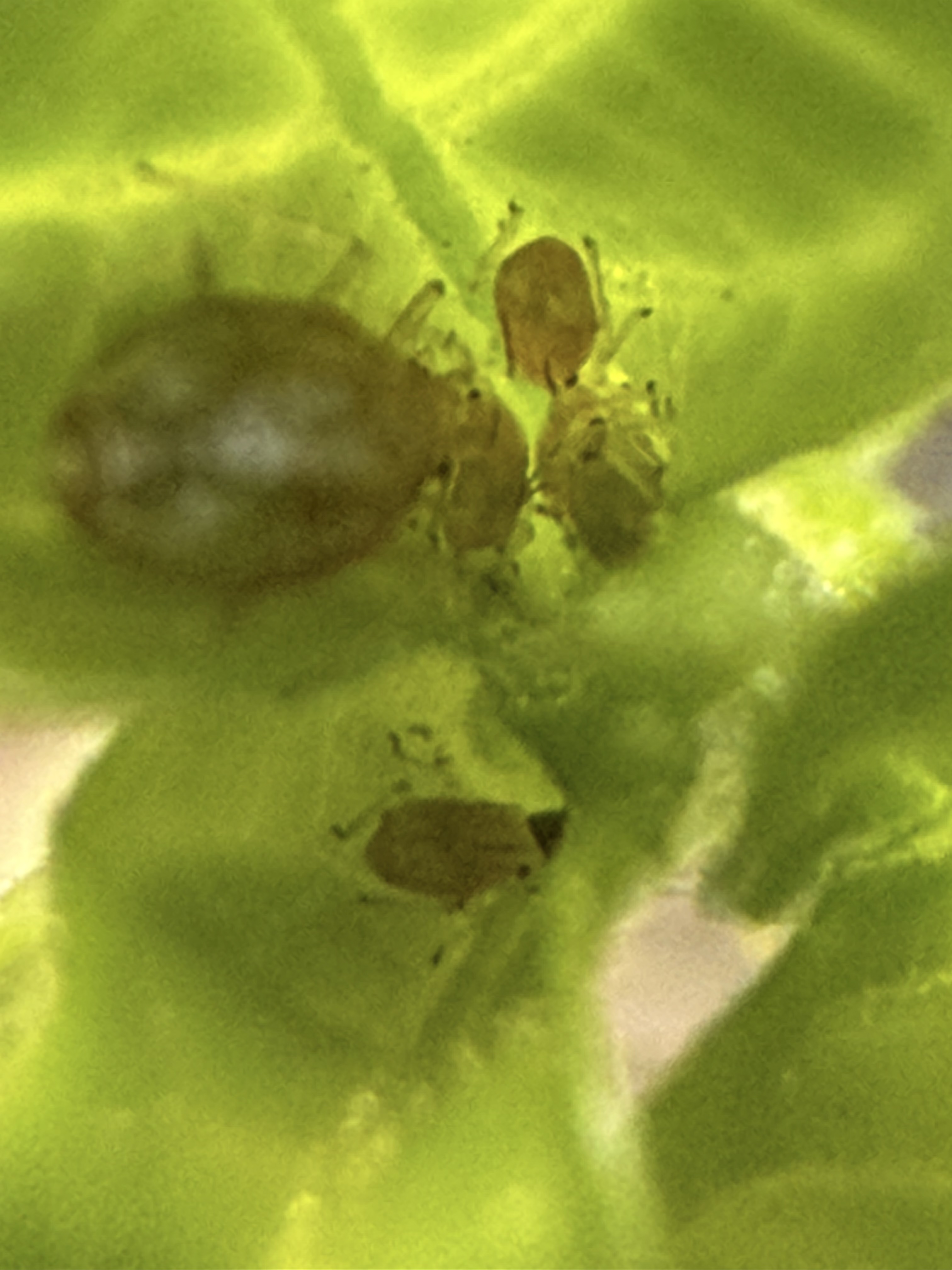
My traps have not been out for a week yet, but I did find some mites on one of my potatoes, and I'm not sure what they are. I don't have anything in the photos for scale (and they are a little blurry - still getting used to the microscope) but they are probably about a millimeter long.
mite on potato
mite on potato
In reply to River Waterman

Re: Week 3 Assignment

by John Sanderson -

River, these mites are soil-dwelling predators and are either Strateolaelaps scimitmus or a related species.  Unless someone has been releasing these in your greenhouse, this is evidence that they really can occur naturally rather than only when they've been purchased and released for biocontrol.  

In reply to John Sanderson

Re: Week 3 Assignment

by River Waterman -
Thank you for the ID, glad that they're helpful little critters! 

I found them in with one of my houseplants, and as far as I know no one is releasing predatory mites into my home 😆. The plant is a royal poinciana that was started from seed a couple of years ago but it's possible the mites came from the soil which I believe we got from a greenhouse.
.
It seems like a good idea to keep them around, but I don't think I have any pests on my houseplants at the moment. Will they be able to persist on their own, or should I do something to help them out?
In reply to River Waterman

Re: Week 3 Assignment

by John Sanderson -
They may be able to persist on various sources of food that exist in your soil, such as fungi and possibly other tiny mites or springtails or nematodes, or other tiny things that go unnoticed but often occur in soils that have been around a while. Also, I failed to mention that these mites are soil-dwellers and do not crawl up into the foliage. They live their lives confined to soil environments. So if you do have pests on your houseplant foliage, unless the pest spends part of its lifecycle in the soil (such as thrips), these mites won't do you any good. They are effective predators against fungus gnats, however.
In reply to River Waterman

Re: Week 3 Assignment

by River Waterman -
Hello again!

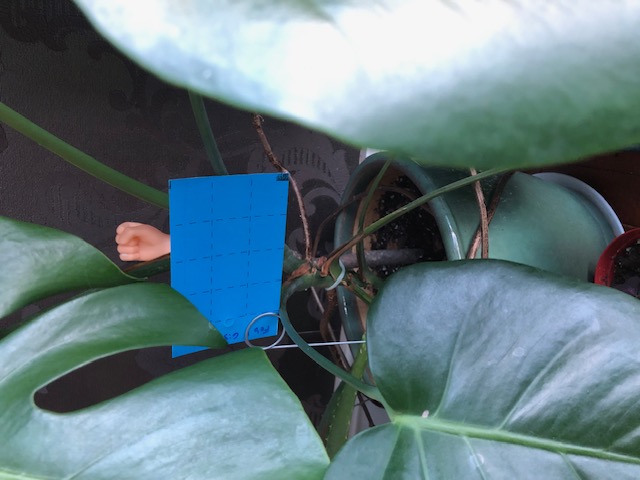
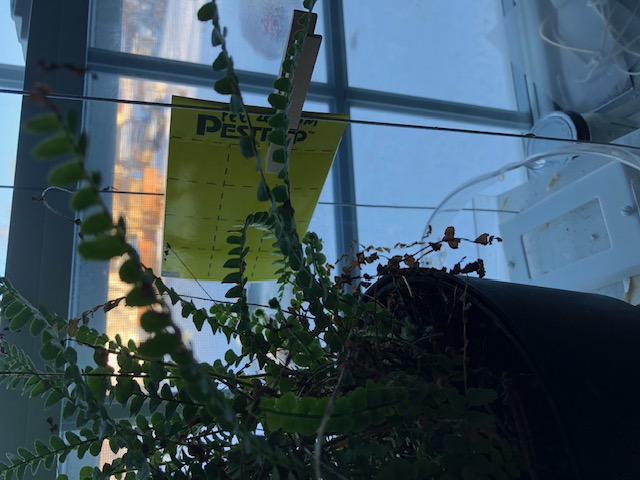
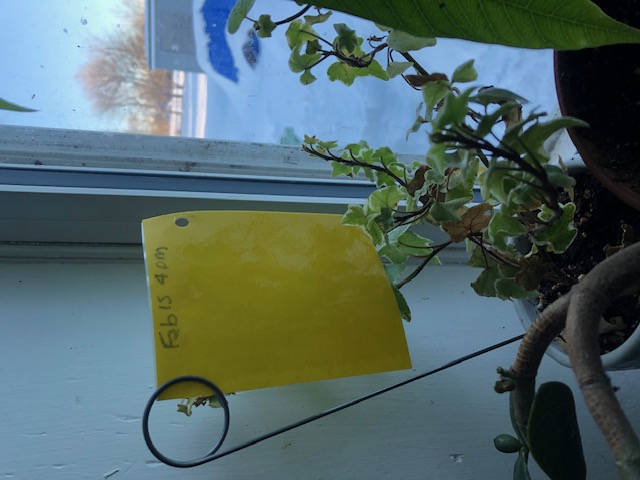
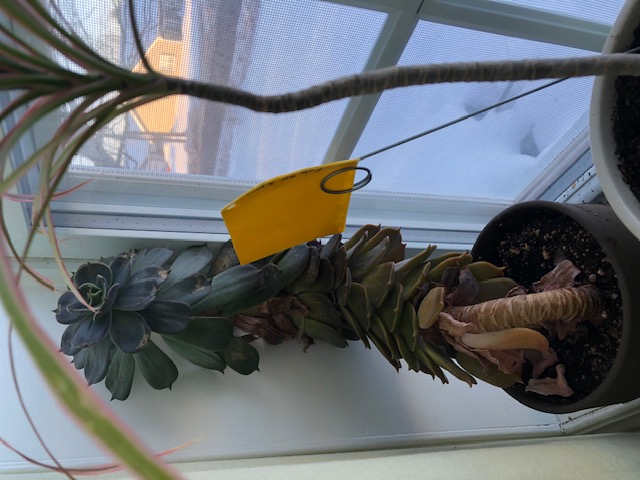
I now have a few sticky cards up around the house, but so far have yet to catch anything on them, below are pictures of each. Two of the yellow cards are next to plants that I know still have some thrips, so I imagine I'll catch some eventually, unless the cards are too far away from the plants?

Blue sticky card in monstera
Yellow sticky card in lemon button fern
Yellow sticky card in english ivy
Yellow sticky card by succulent
I chose to research some common pests and disease of passion fruit, as I have recently started a few from seed. I focused on the ones we learned about in class, though there are many other diseases affecting these plants.
Passion fruit may suffer from root rot caused by Phytophthora fungi. This causes yellowing of the leaves, followed by wilting, defoliation, and eventual death of the plant if not treated (Joy & Sherin, 2012). They may also get a bacterial leaf spot caused by Xanthomonas, which creates the characteristic angular spots with yellow halos (Joy & Sherin, 2012). As for pests, there is a species of nematode that can cause root knot and cysts and result in slowed growth (Joy & Sherin, 2012). Fruit may be impacted by fruit flies and end up dropping early (Rezazadeh et al., 2024). Passion fruit are also quite prone to spider mite infestations which may feed on the lower leaf surfaces or the flower buds (Rezazadeh et al., 2024).

References
Joy, P. P., & Sherin C. G. (2012). Diseases of passion fruit (Passiflora edulis): Pathogens, symptoms, infections, spread & management. Kerala Agricultural University. https://kau.in/sites/default/files/documents/diseases_of_passion_fruit.pdf

Rezazadeh, A., Bailey, M. T., & Sarkhosh, A. (2024). Passion fruit problems in the home landscape. University of Florida. https://ask.ifas.ufl.edu/publication/HS1397

In reply to First post

Re: Week 3 Assignment

by Ryan O'Connor -
Hi All,
1) Not really too much to report for the sticky cards. My cards had a majority fungus gnats with some shore flies and a few good guys because I release colemani preventatively. I recently did an application of nematodes so it will be interesting to see if my fungus gnat numbers go down because I uncovered the reverse side of the card.
2) I did have some fungus gnat larvae on my potato wedge but I also had a longer worm/larva looking creature that didn't look like a fungus gnat larva to me. I've posted two videos below. I also have what I assume are springtails.
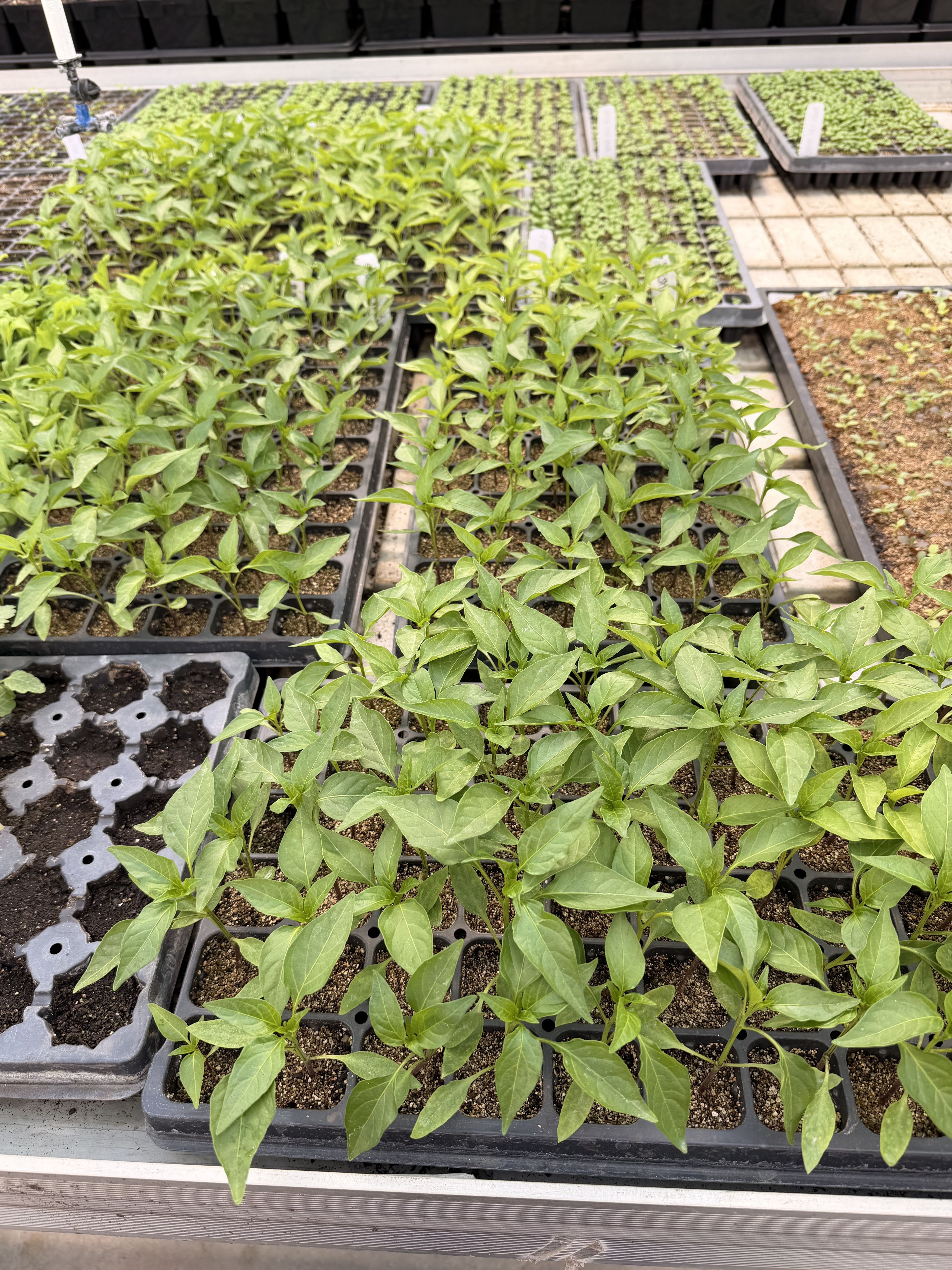
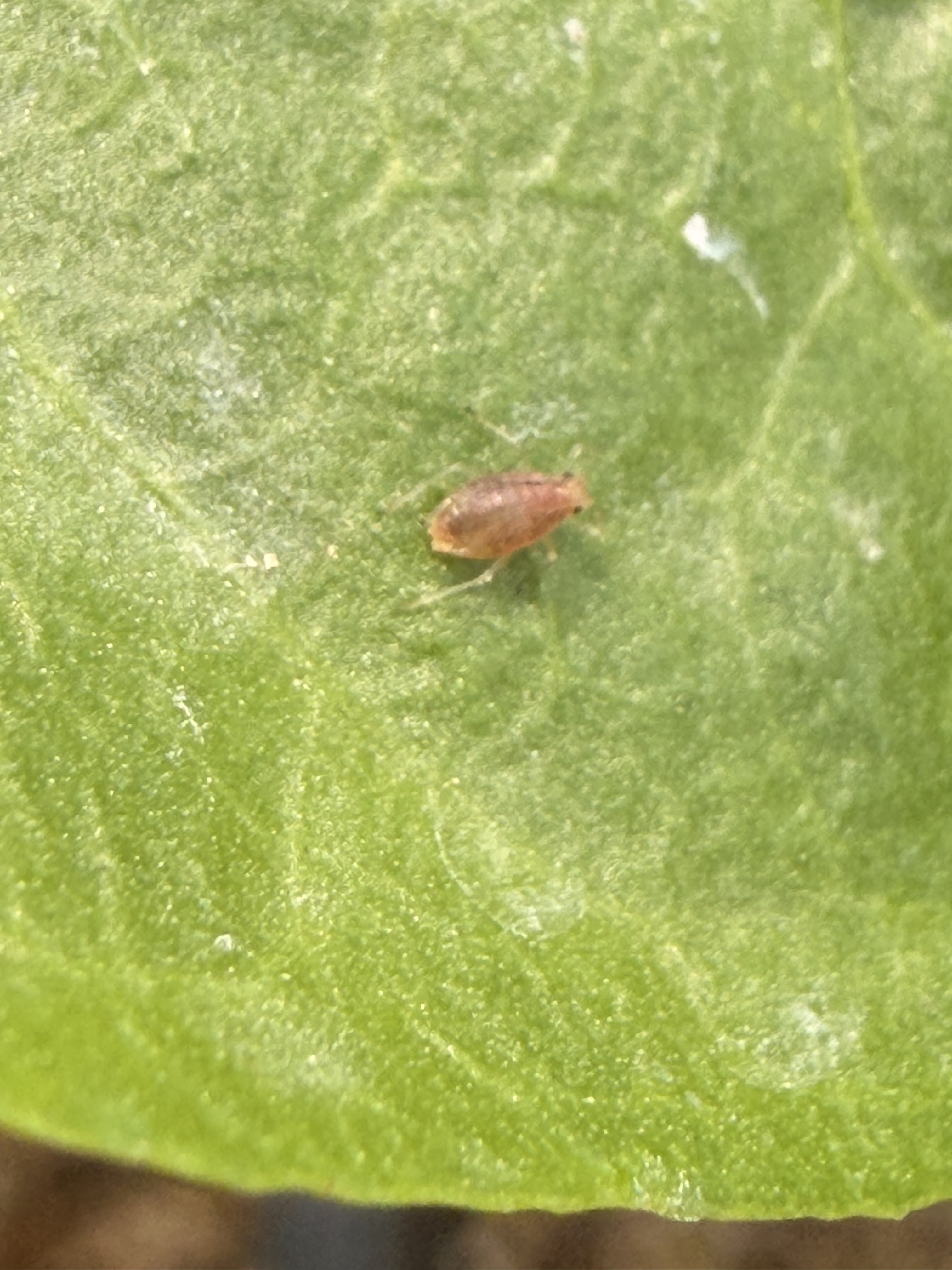
3) We've started our 1st pepper succession and like clockwork the aphids have found it. It is amazing how much aphids like pepper plants. I suppose this would make peppers a good sentinel plant to see if my pest management practices are working?


In reply to Ryan O'Connor

Re: Week 3 Assignment

by Elise Schillo-Lobdell -
re. Aphids on peppers - Yes!
In reply to Elise Schillo-Lobdell

Re: Week 3 Assignment

by Elizabeth Lamb -
And yes, peppers are a very good indicator plant for aphids. If you've ever had spikes (Dracena) they are a great indicator plant for thrips.
In reply to First post

Week 3 Assignment

by Mary Taylor -

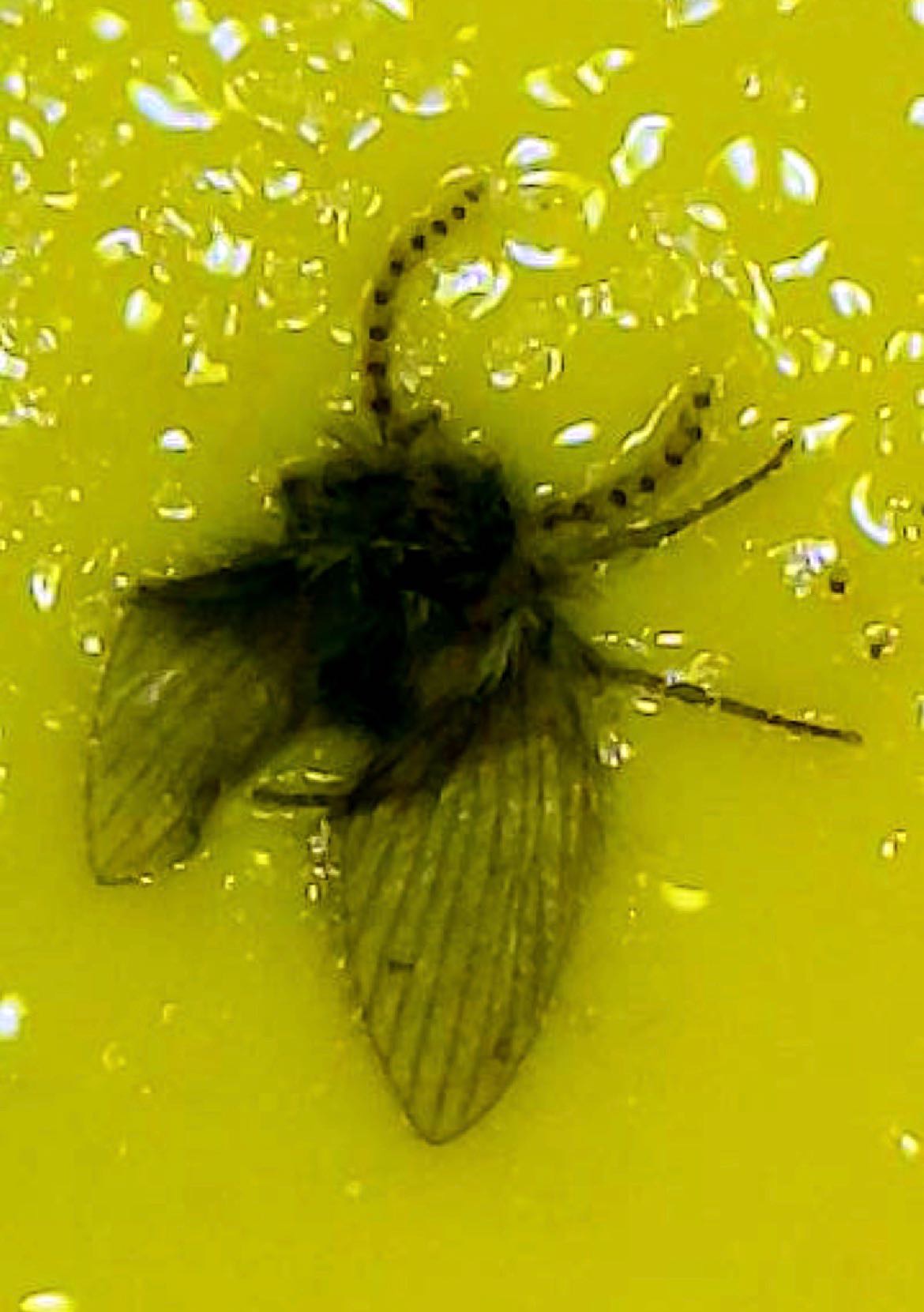
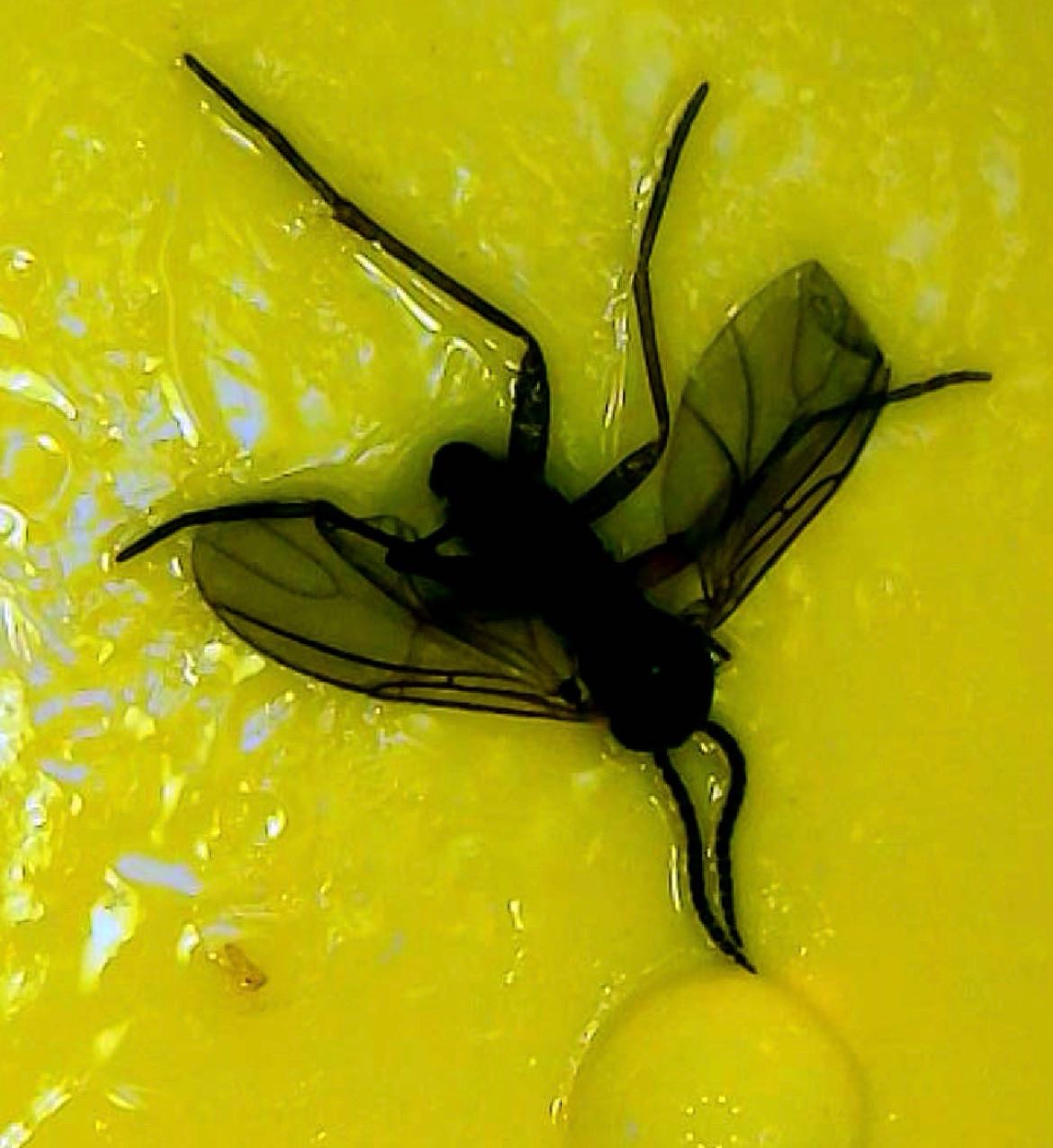
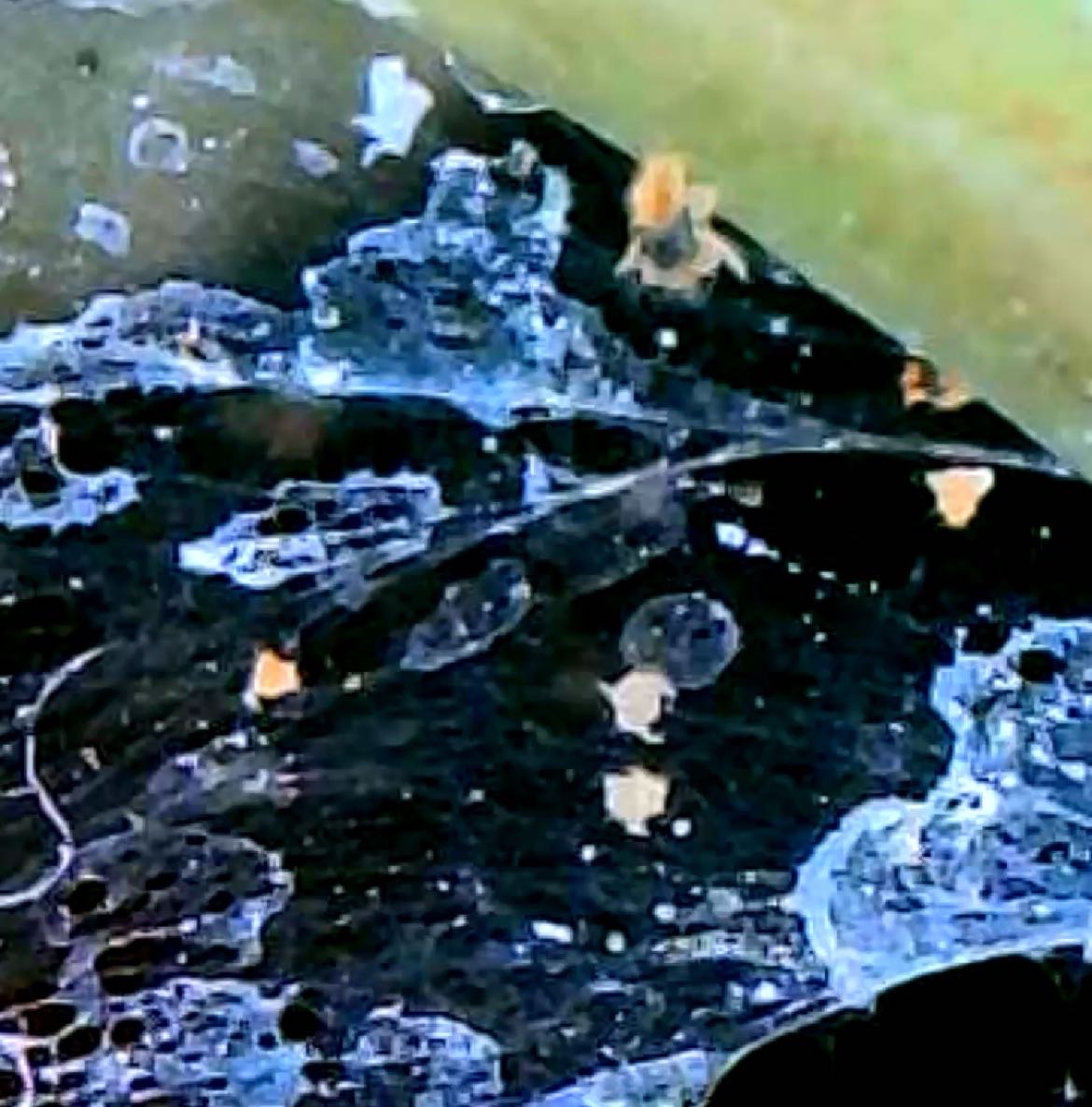
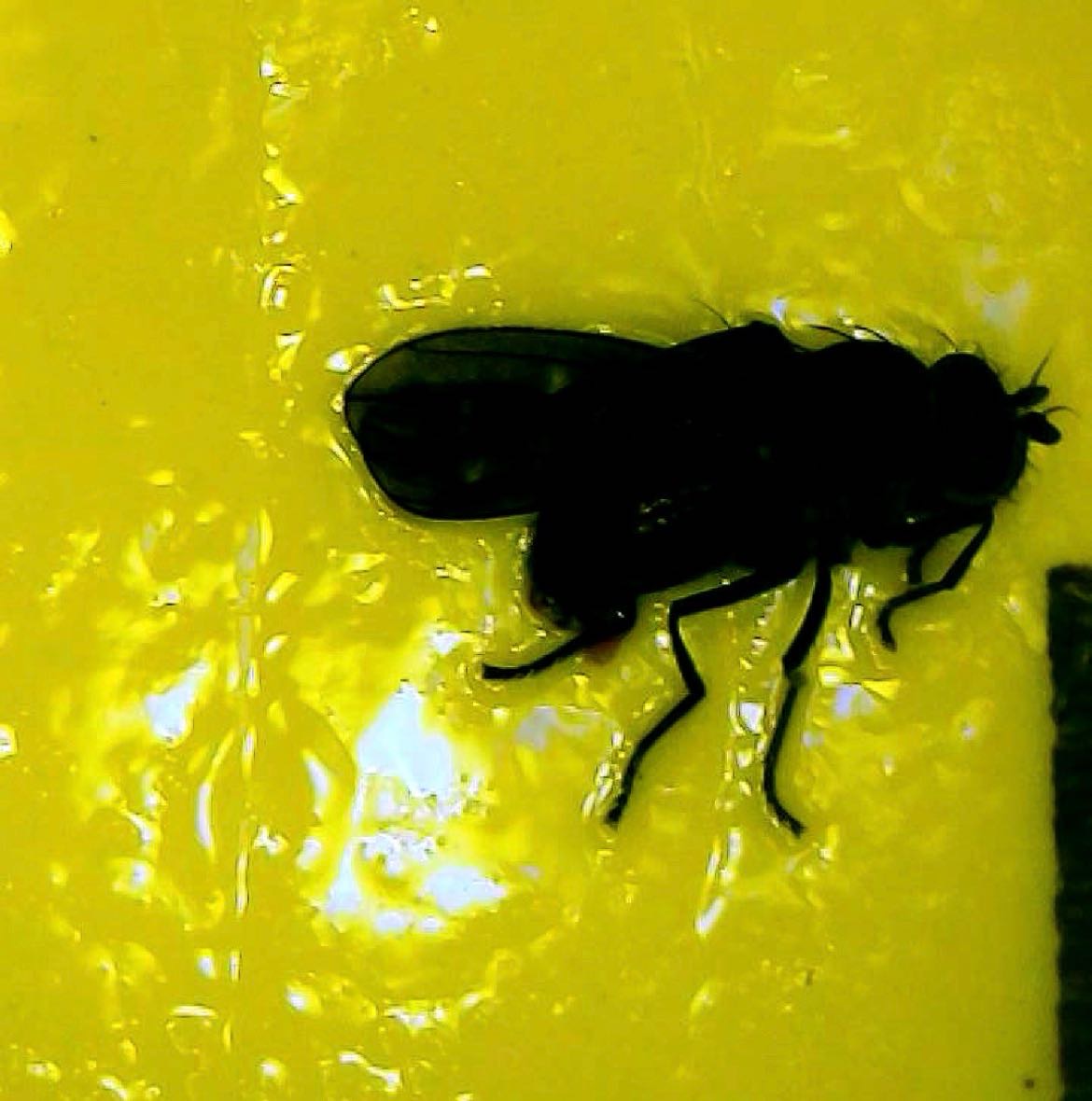
After the first week of sticky cards being up in D purple there were numerous fungus gnats on the sticky cards as well as white fly, shore fly, and one that I could not identify. There were a total of 68 insects found in the house most of which were fungus gnats with the majority found on one card above the primrose. I replaced the card that had accumulated 35 insects and will keep a close eye on that spot. The first photo is of something as small as a thrip but that doesn’t look like a thrip to me. The second photo looks like white fly to me due to the fuzzy wings. Third photo is of a fungus gnat as you can tell by the y in the wing. Fourth photo is a still image of the video of a spider mite. Fifth photo is shore fly I believe?

I found the spider mites on a philodendron in another house that I was able to catch a video of but the file is too large to upload so I took a screenshot. 

Since this greenhouse has so many pests around the primrose I decided to read up on pests and diseases that impact them. I found that they are highly susceptible to botrytis blight as well as being affected by pythium, phytophthora, rhizoctonia, thielaviposis rots as well as INSV and tobacco necrosis or ringspot. Their common pests are aphids (green peach & cowpea), weevils (black vine & fuller rose beetle), whiteflies, as well as spider mites, thrips, and mealybugs. 

Attachment cdv_photo_1770916272_20260212121112.jpg
Attachment cdv_photo_1770916276_20260212121116.jpg
Attachment cdv_photo_1770916279_20260212121119.jpg
Attachment cdv_photo_1770916285_20260212121125.jpg
Attachment cdv_photo_1770917155_20260212122555.jpg
In reply to Mary Taylor

Re: Week 3 Assignment

by Elise Schillo-Lobdell -
The 2nd photo is a moth fly, aka drain fly aka sewer fly. Whiteflies will look much smaller than that on the sticky cards and (until they melt away)you can see the white wings. Even after the wings melt into the card you can see the orange body - which can easily be mistaken for a thrips.
In reply to Mary Taylor

Re: Week 3 Assignment

by John Sanderson -
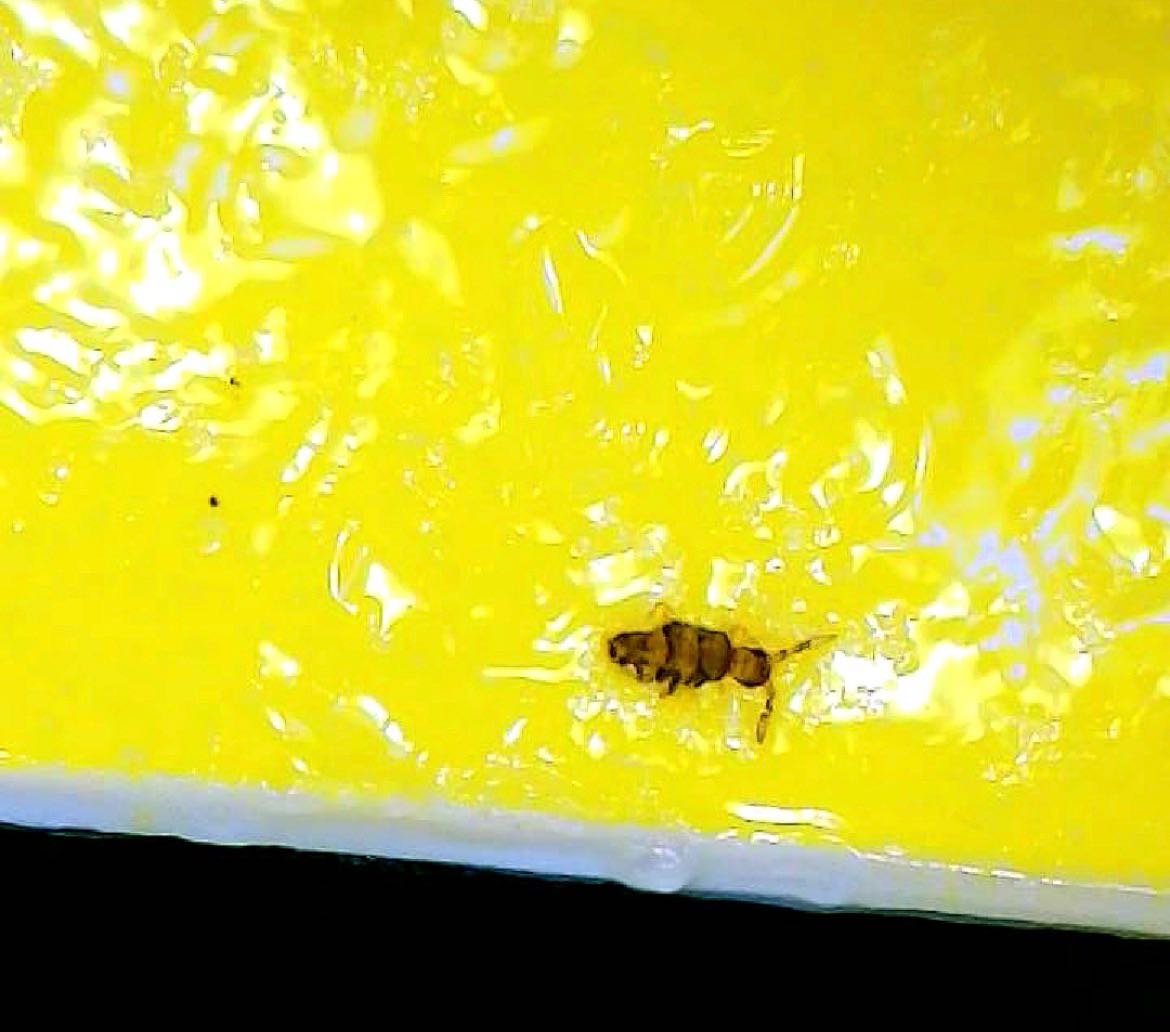
The first photo is a springtail. Kind of looks like a thrips, but it's definitely a springtail.
In reply to First post

Re: Week 3 Assignment

by Joseph Moreno -
1. I found two kinds of insects on the sticky card. I found 13 shoreflies and 32 fungus gnats. There were much more of both insects stuck on the yellow side than the blue side. I could not see any other kinds of insects.
yellow
2. I set 4 potato wedges in four separate containers within the same crop. Of the four, I found one fungus gnat larvae underneath one of the potatoes. The one that was found had the most moisture in the soil. I was dark and moist to the touch, but the other three wedges were dryer and no fungus gnat larvae were found. 
potato
3. The plants growing in the containers where I put the potato wedges are lavender plants. While lavender is generally considered pretty pest and disease resistant, here in the south (North Carolina), where it stays pretty humid most of the year, lavender are known to succumb to root and crown rot caused by phytophthora. I have also seen small white caterpillars eating on the foliage on some of the cultivars in this same greenhouse. In my experience so far, I haven't seen anything else affecting the lavender. 
In reply to Joseph Moreno

Re: Week 3 Assignment

by Elise Schillo-Lobdell -

Joseph - you have a few Hunter flies on that card - look in the bottom center - I believe that’s a male as is his friend above him to the left.  There might be some female Hunters at the top right.  And you have some winged aphids.  I can see two, one is all alone in the bottom left square, the other is in the 2nd square down in the middle.

In reply to First post

Re: Week 3 Assignment

by Ana Gourlay -
My potato wedges from week 2 didn't show any fungus gnat larvae. They looked like they had dried out, so I will try placing wedges in a few other plant varieties to see if anything appears. I placed the blue sticky trap in a Lickety Split philodendron (the last shipment we received of these plants had thrips), but I haven't seen any thing yet on the trap. I practiced taking pictures of fungus gnats on a different sticky trap.

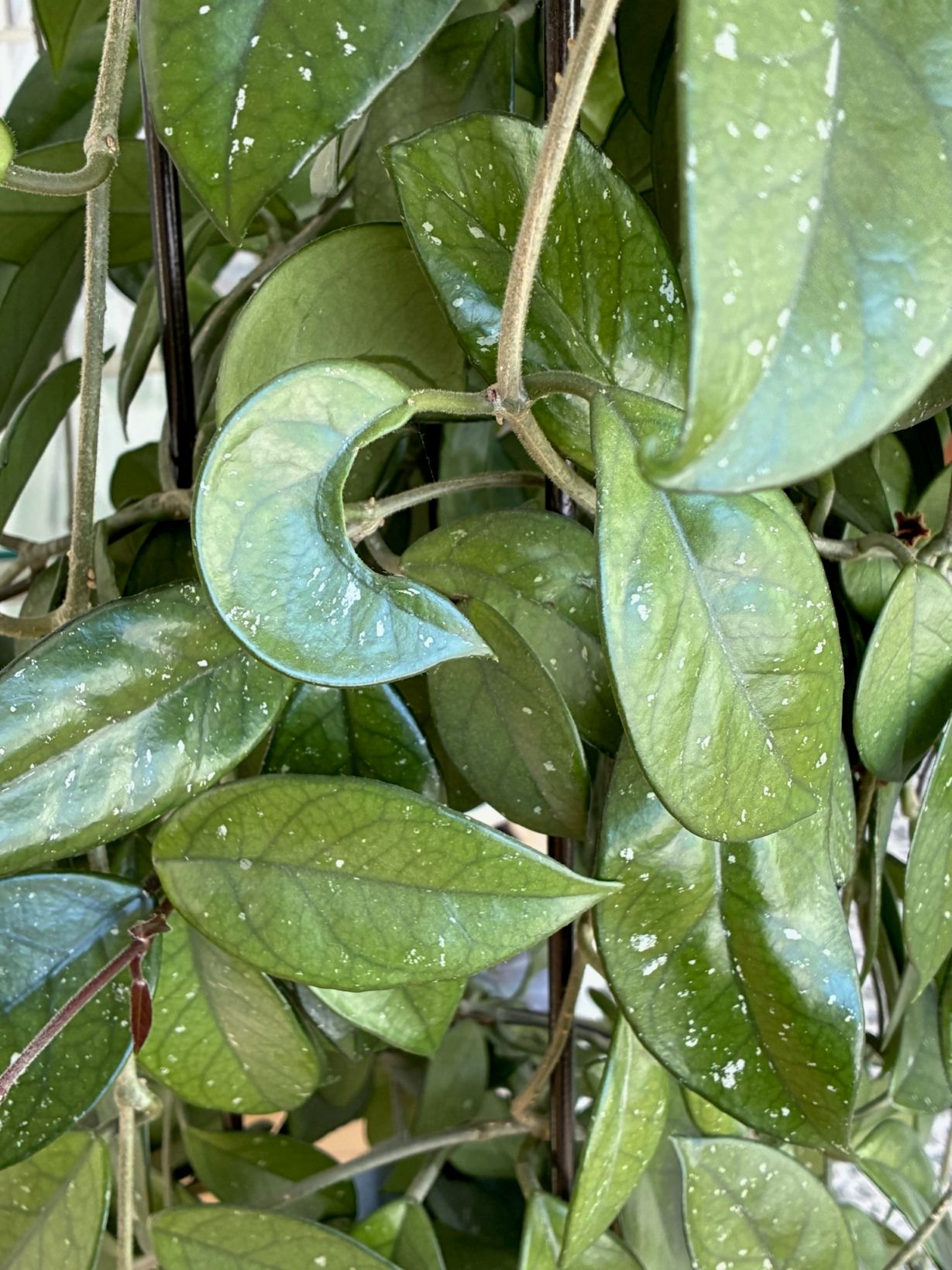
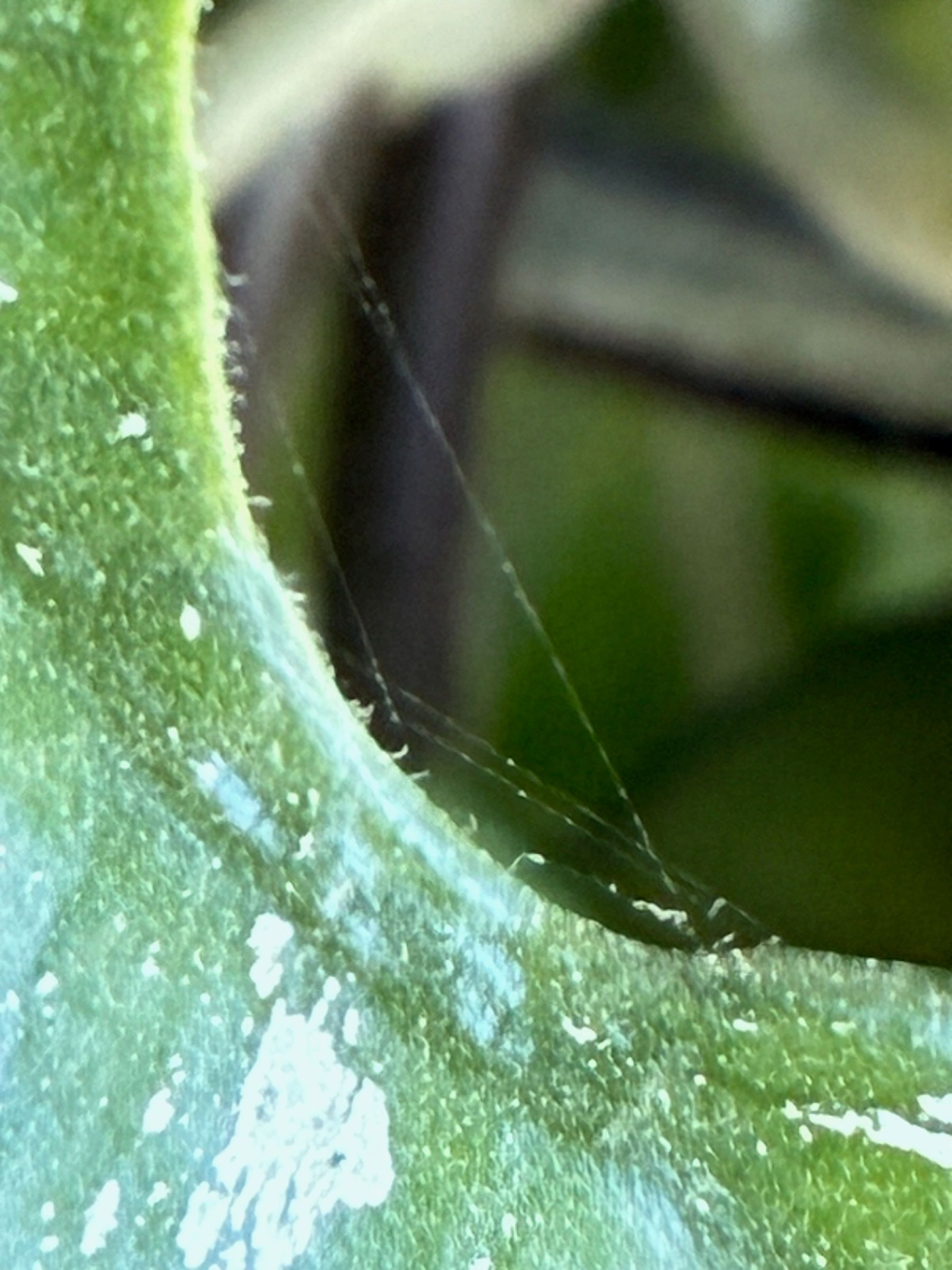
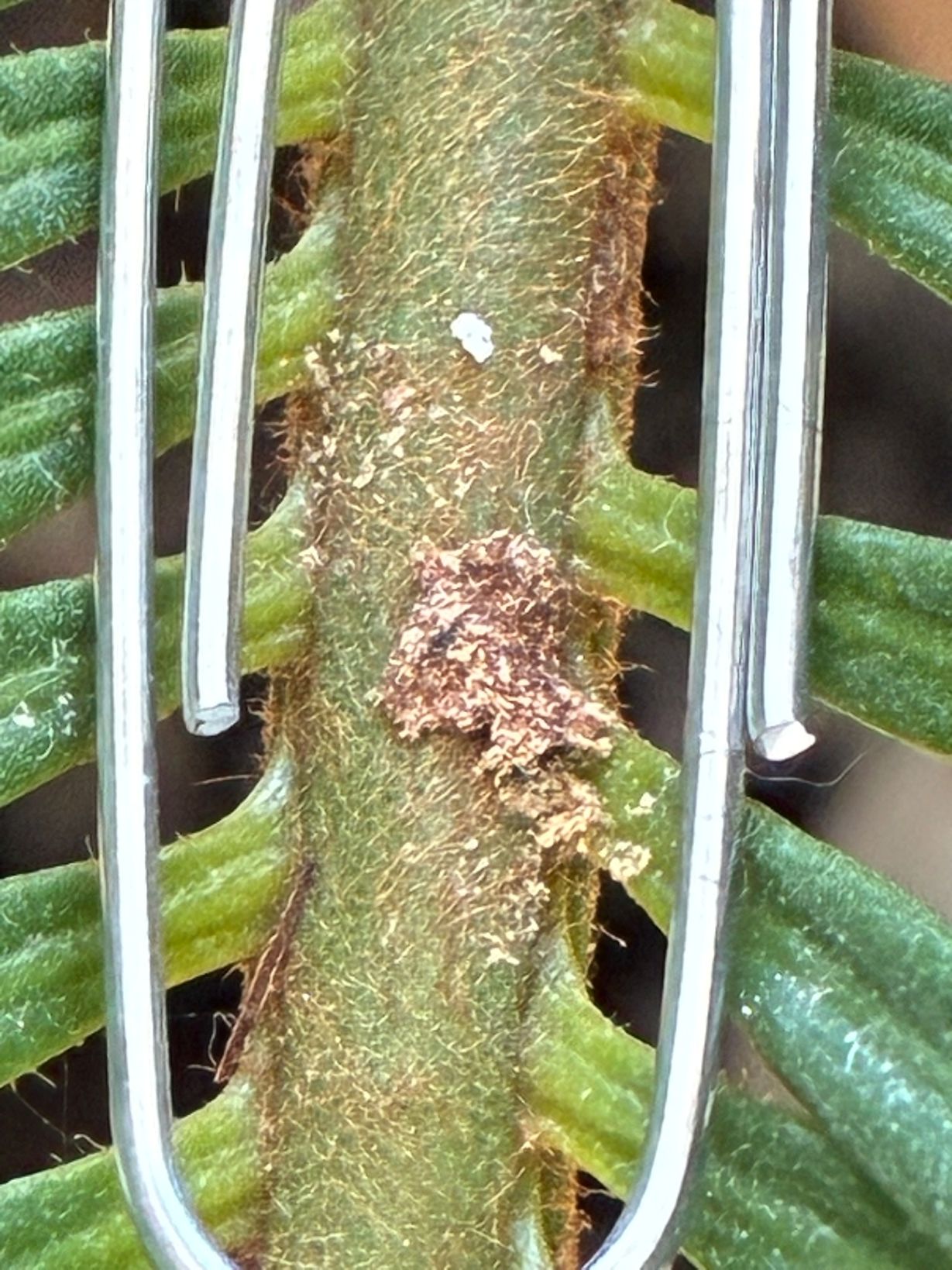
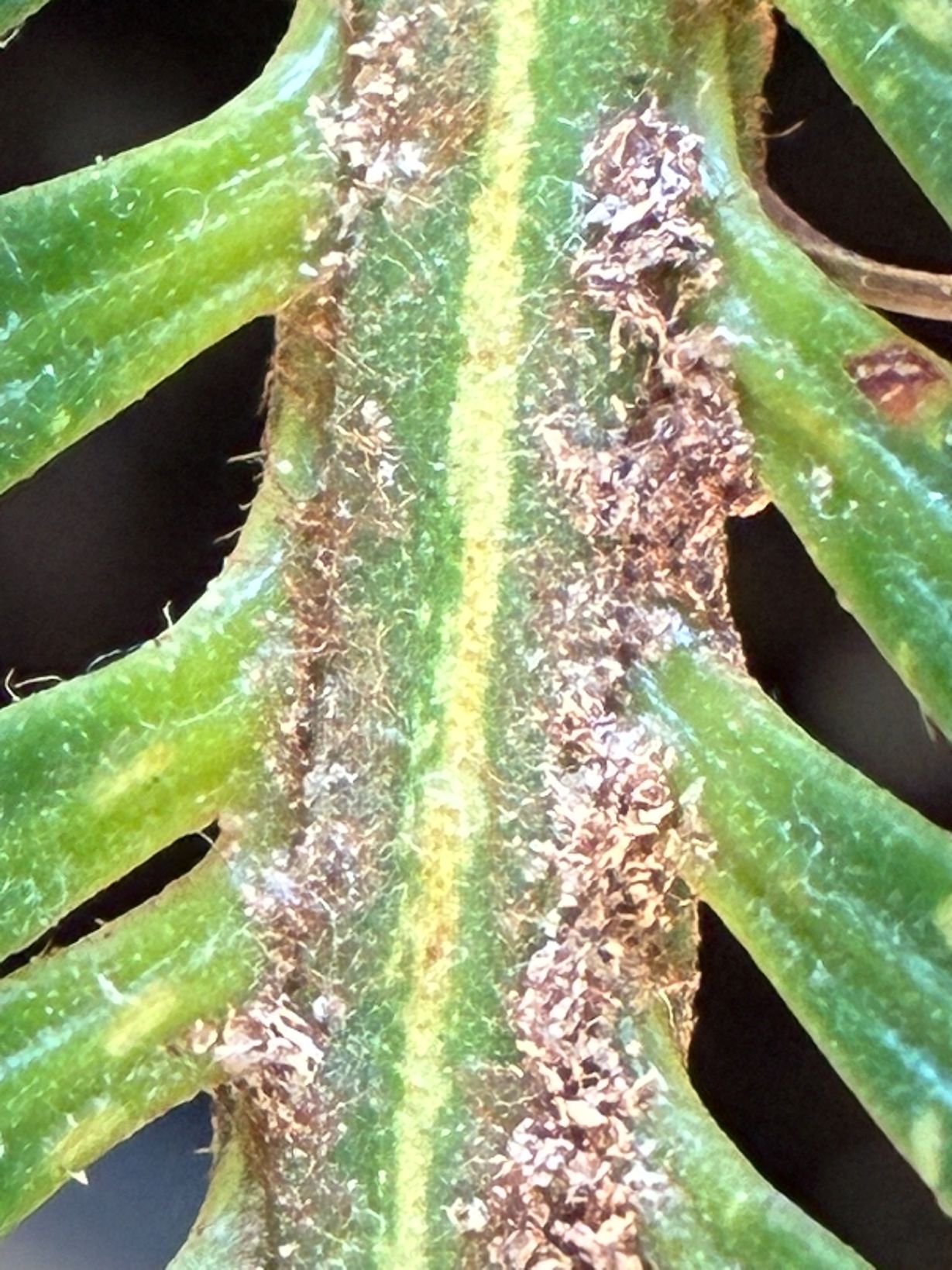
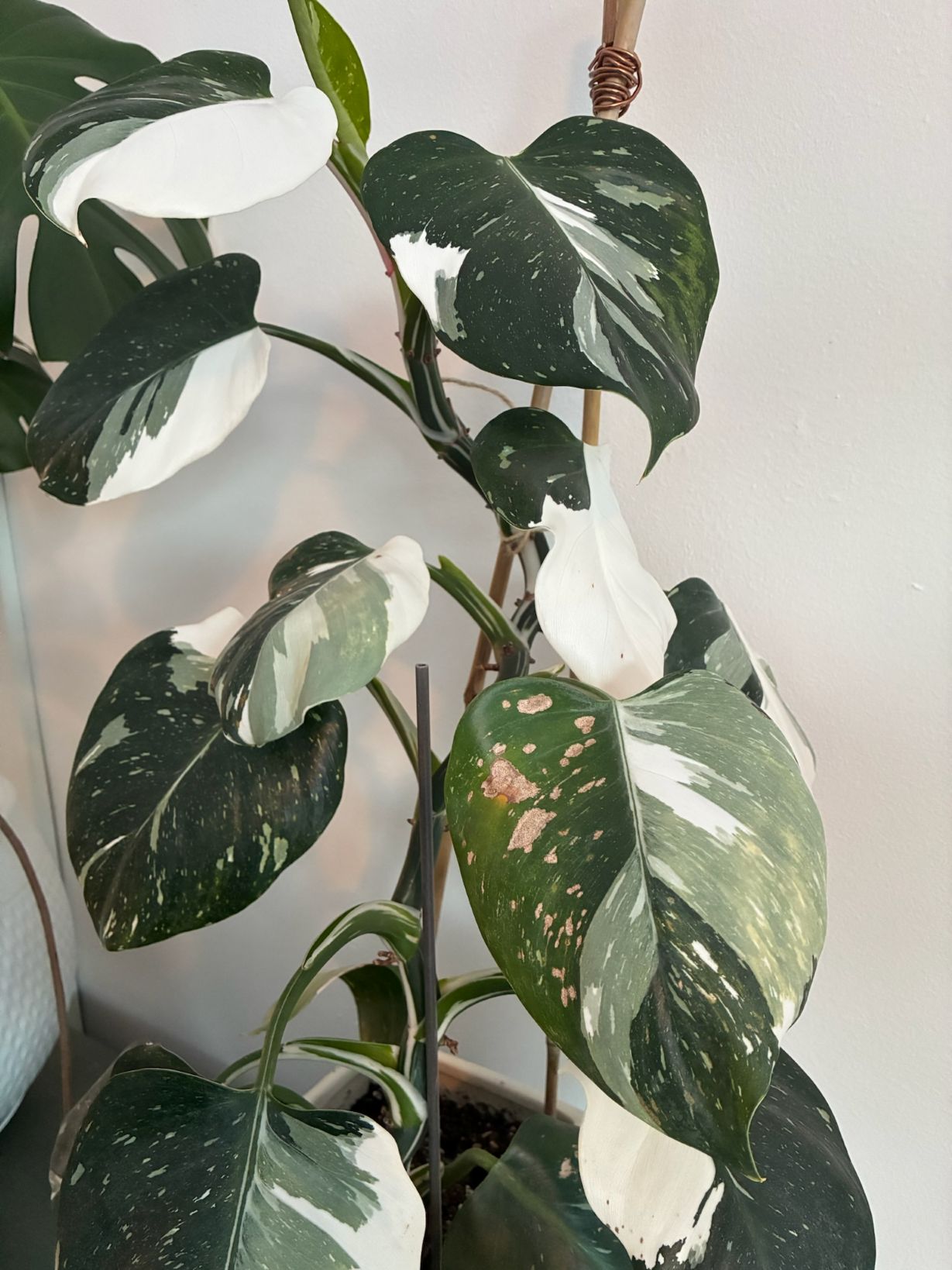
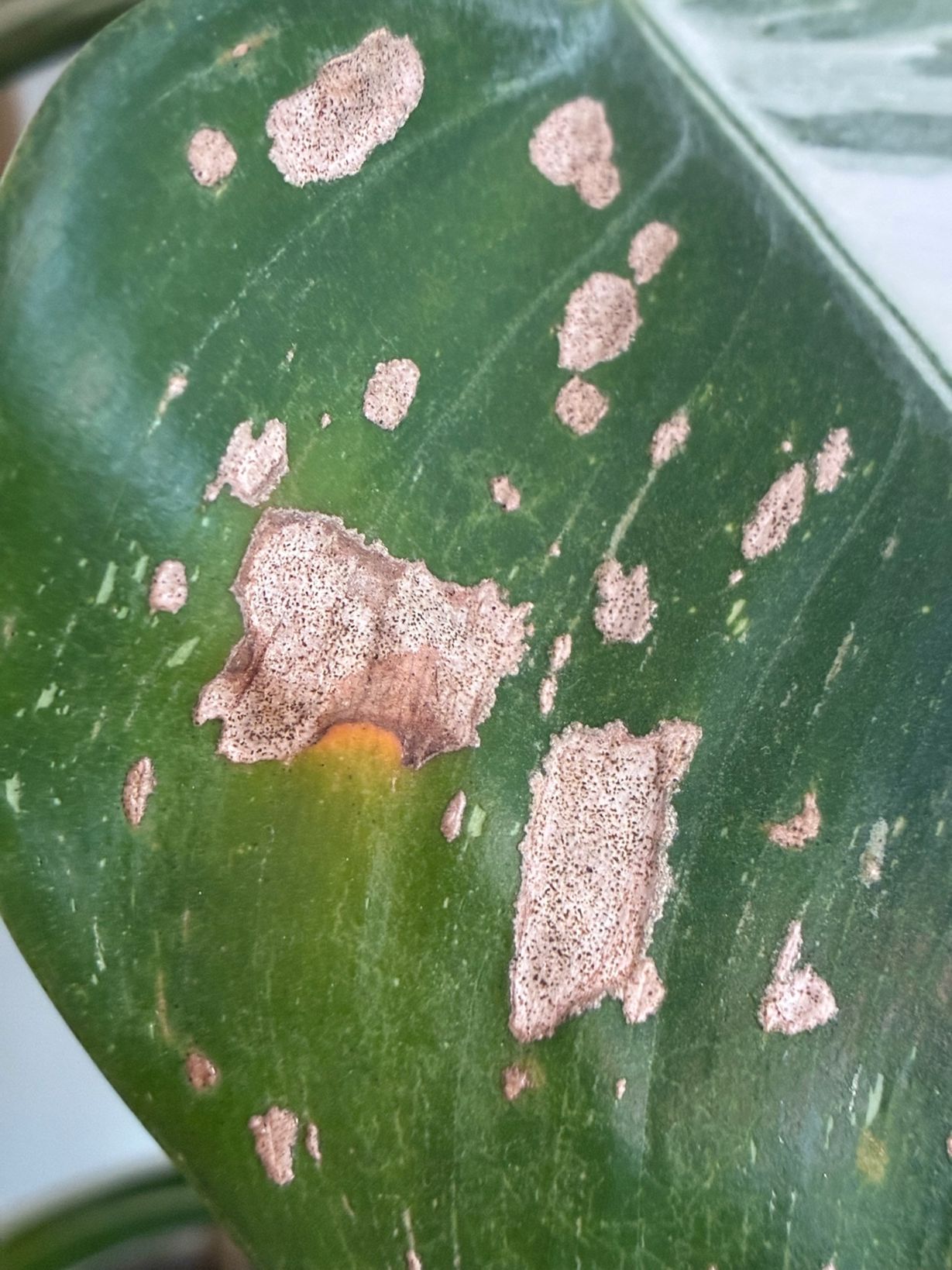
I've attached photos of problems I discovered while scouting. I believe the sago palm has scale, the hoya and ficus lyrata have spider mites and I'm unsure of what's going on with the white wizard philodendron. The black spots look like evidence of thrips, but it's so consistent (just on the necrotic tissue) I don't think it is. Advice welcome!

We've had problems in the past with mealy bug on hoyas and root rot. Upon further research these plants are also susceptible to spider mites and scale.
Attachment ficus.jpg
Attachment fungus gnat.jpg
Attachment hoya crescent.jpg
Attachment hoya zoom.jpg
Attachment scale paperclip.jpg
Attachment scale zoom.jpg
Attachment white wizard.jpg
Attachment ww leaf spots.jpg
In reply to Ana Gourlay

Re: Week 3 Assignment

by Elise Schillo-Lobdell -

Hi Ana, re. the White Wizard leaf:  these two photos are a great example for stepping back and looking for patterns when you see damage -  since this damage appears to only be on that one leaf and all the leaves above it appear healthy that pretty much rules out a disease or at least an on-going one.  I would suspect either pesticide spray damage or even just sun damage when that leaf was wet and very tender.  Maybe that leaf had just unfurled when the shipping box was unpacked from Florida, the plant was hosed down and set in a sunny spot = sunscald.  Scouting sometimes involves a bit of detective work, if I saw a whole bench of plants with damage on just one side or on one age of leaves I would definitely be checking the spray records and questioning the workers about what was applied, when & how.  Sometimes the answer is that the spray equipment hadn’t been properly cleaned out prior to the last treatment.

In reply to First post

Re: Week 3 Assignment

by John Miller -
The potato wedges have not yielded any fungus gnat larvae this week. The numbers on the sticky traps are still remarkably low since treating with nematodes. I've been seeing some fruit flies on the traps.
In reply to First post

Re: Week 3 Assignment

by Sathwik Manjunath -

Sorry , for the delayed response. I had put three sticky cards and was able to find some thrips and fungus gnats on two of them. I was able to see one specific variety of trips population on blue stick trap, which was near coffee plant. the Grower advised me if you are able to find any pest that would be near coffee plant and she was right. I found 31 trips from 2 sticky cards, and 7 fungus gnats. I am not able to find any fungus gnat Larva on the potato wedge yet.

Attachment 2026-02-15-11-33-33-639.jpeg
Attachment 2026-02-15-11-35-15-781.jpeg
In reply to First post

Re: Week 3 Assignment

by Grace Harper -
I appologze for late post I had thought I had already put the numbers in! For this greenhouse trap one had:
1 thrip
4 fungus gnats
2 parasitic wasps
And 2 house flies
Trap 2 had:
2 thrips
1 fungus gnat
1 shore fly
Trap 3 had:
2 white flies
5 thrips
3 fungus gnats
1 shore fly
At the time there wasn't ,any plants in this greenhouse, and the few plants we did have were still fairly young. At the moment though, that's another story!
The crop I chose are the super Olympia begonias. I am already conducting my own little experiment on them anyway. I have them split up to were some are getting more heat and moister and the others are getting less water and cooler temps. The ones that's taking moister are having a fungus gnat problem but that was to be expected. What is surprising is the ones that are getting more water and heat are suffering from a few different nutrients deficiencies but are growing better despite it. The ones that are cooler and away from the Texas sun, are starting to get root rot and fungus gnats are also present. I changed the potato over to the begonias and discarded the old ones. The old ones were clean and showed no signs of larvae.