Week 4 Assignment

Week 4 Assignment

Week 4 Assignment

Número de respuestas: 42

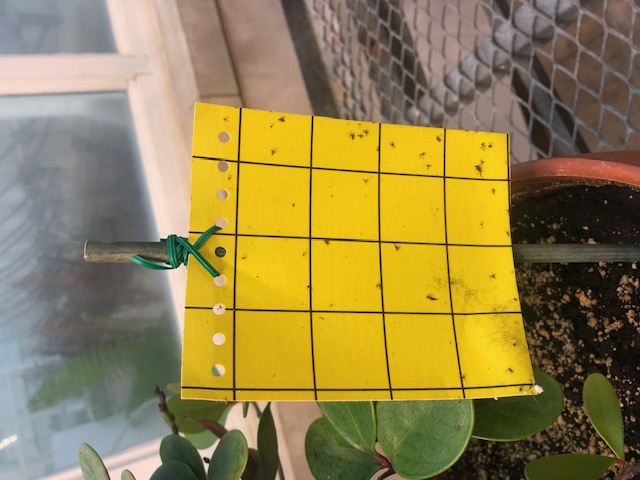
1. Check your sticky cards again.  Anything new?  Can you determine if insect numbers are increasing or decreasing over time?  If not, how might you change your system to do that?  Share what you think.

2. Post your local Extension Office and University or other diagnostic lab (https://www.nifa.usda.gov/land-grant-colleges-and-universities-partner-website-directory?state=349).  Have you ever asked them a question.  Try if you are feeling brave and let us know what you find out.

3. Is there a scouting or pest management resource you have found particularly helpful?  Post it in the Forum.

4. Scout the greenhouse for weeds.  Where did you find them?  Can you identify them? Post pictures and we’ll see if we can help.

To Post Your Reply: 

  1. Click on Reply and type your response in the text box. 
  2. To post an image click on the Advanced link and then click on the image icon in the tool bar at the top of the text box. 
  3. To post an attachment, click on the Advanced link and drag and drop your file in the attachment box. 
  4. Click on Post to forum to submit your reply.


En respuesta a Primera publicación

Re: Week 4 Assignment

por Tiffany Donaldson -
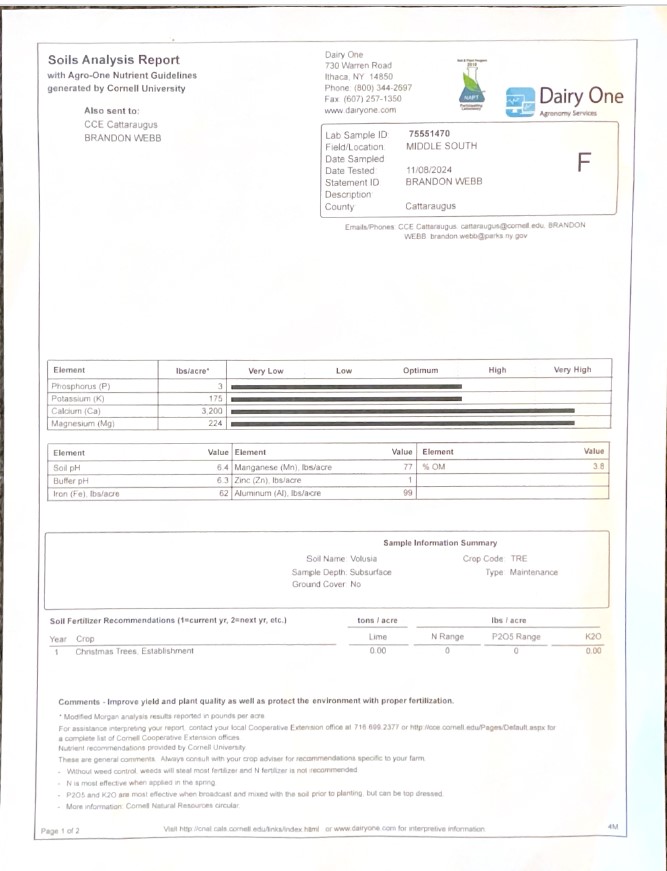
We have a Cornell Cooperative Extension in Ellicottville. Allegany State Park erected an arboretum over an old lake dredge site. Brandon and I went to the CCE with some soil samples to get them tested. The extension did not see any major nutrient problems in the soil, but they did not say much about the clay content and how it would affect the trees.
 
This extension site also has an arboretum, named the Nannen Arboretum. It was very cool to see an established arboretum with big old trees while ours is so young. This has given us ideas on how we could manage our arboretum. For example, in the fall, they put up temporary 6 ft deer fence to deter deer in the winter. 

I will let Brandon chime in on his ideas to improve the soil quality for tree growing, as this is his project. He knows more about the tree side of things than I do!

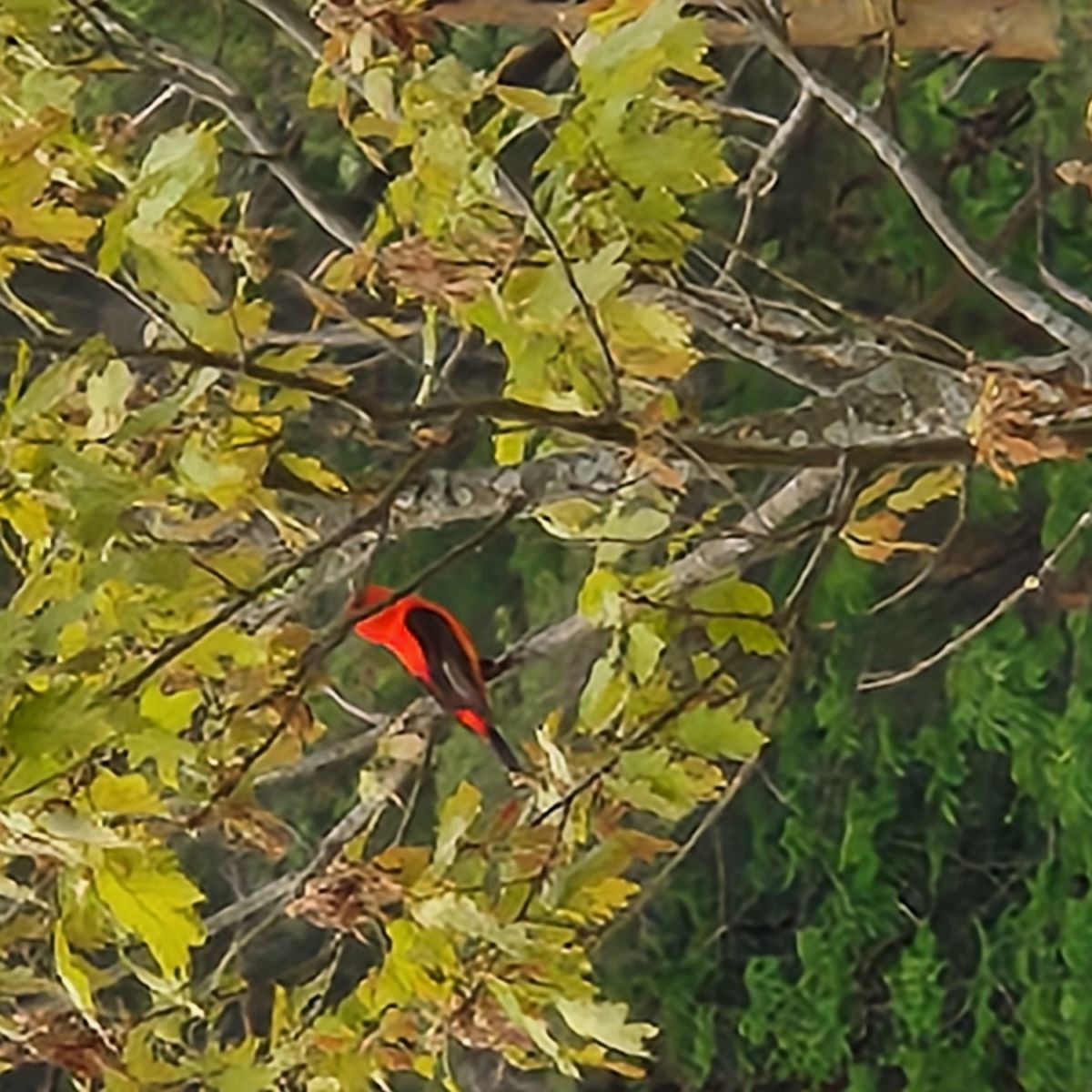
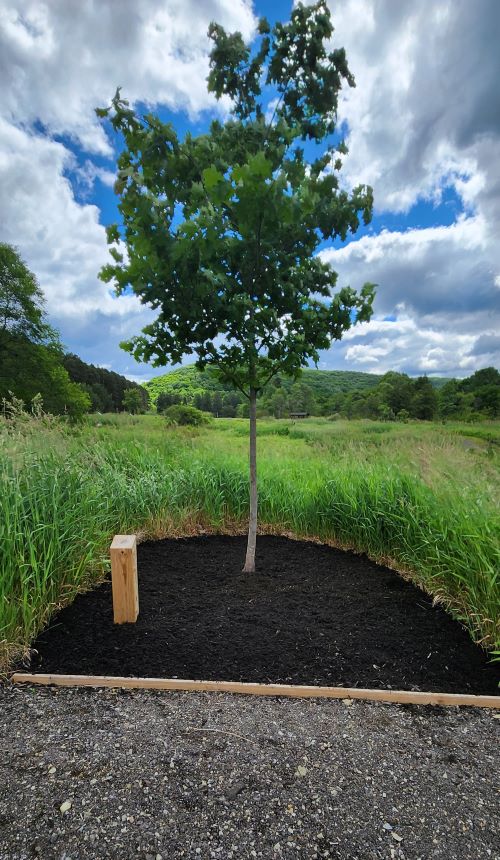
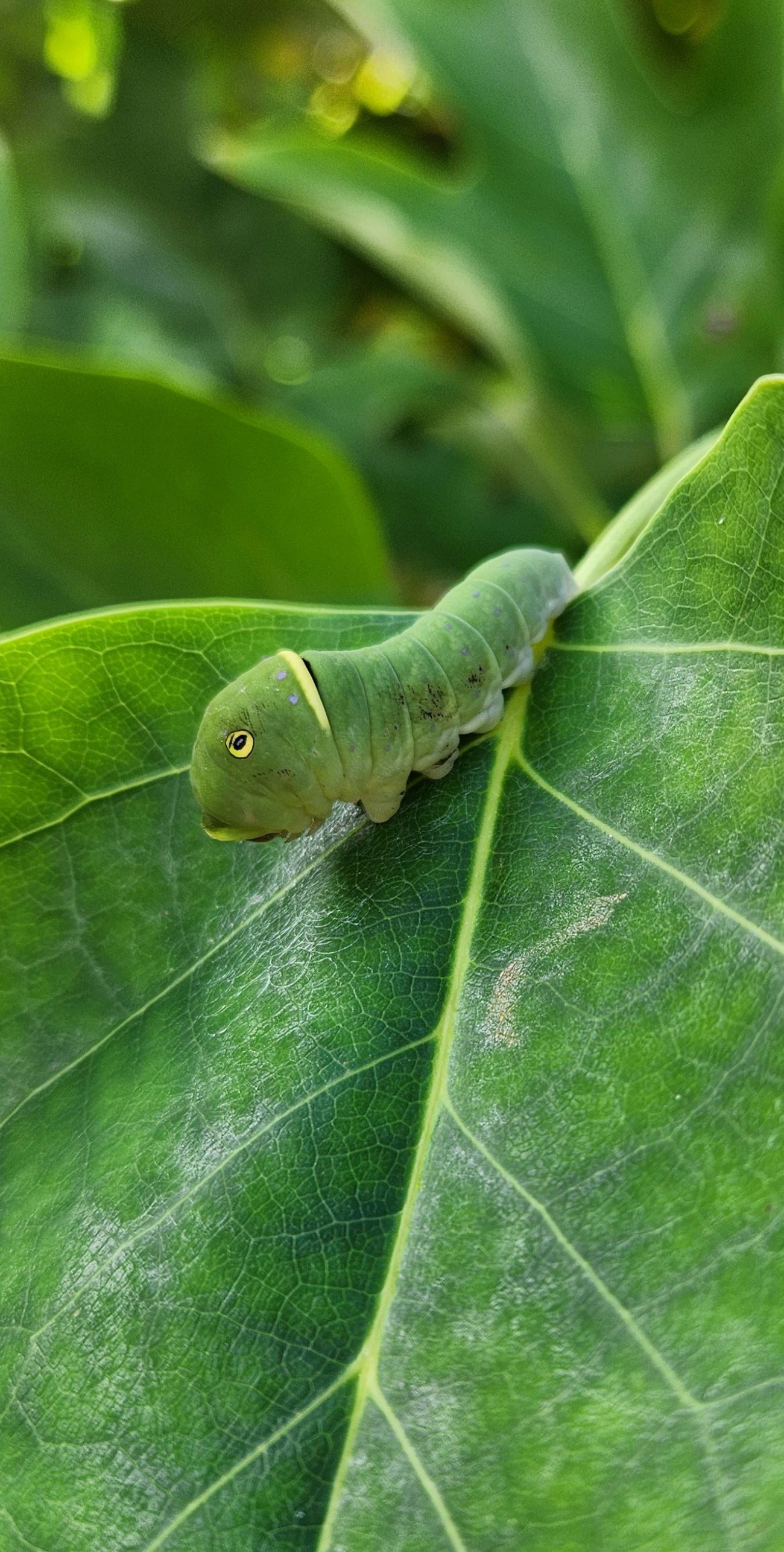
But I will include some of my very favorite pictures from my time here. The caterpillar is an Eastern Swallowtail that was on the tulip trees last year. The Scarlet Tanager was on one of the middle oaks, the last photo is just of one of the specimen trees after I fluffed the mulch.  

https://cce.cornell.edu/cattaraugus
Anexo EasternTigerSwallowTail.jpg
Anexo ScarletTanager.jpg
Anexo specimen Tree.jpg
En respuesta a Tiffany Donaldson

Re: Week 4 Assignment

por Brian Eckert -
Great pics! I get swallowtail caterpillars on my dill every summer. Beautiful bird too.
En respuesta a Brian Eckert

Re: Week 4 Assignment

por Elise Schillo-Lobdell -
I agree, great photos! Brian, you get Eastern Black Swallowtails (they also host on parsley, fennel, rue, anything in the carrot family), Tiffany’s caterpillar is an Eastern Tiger Swallowtail, which hosts on specific trees.
En respuesta a Tiffany Donaldson

Re: Week 4 Assignment

por Amy Howansky -
Tiffany,
Wow, I have never seen an Eastern Tiger Swallowtail on a tulip tree, and the tulip trees are one of my favorites! Like Brian, I get the Eastern Black Swallowtail (as described by Elise) on my dill and bronze fennel. The neighborhood kids love to see the caterpillars.

I had never seen a scarlet tanager in real life until I was riding my bike on the bike path along the river, and a bird swooped down next to my face and flew alongside me for a long time! It was incredible. When I got home, I identified it as a tanager. They are beautiful.

Amy
En respuesta a Primera publicación

Re: Week 4 Assignment

por Amy Howansky -
My local diagnostic place is:
Cornell Cooperative Extension of Rensselaer County
99 Troy Road
Suite 203
East Greenbush, NY 12061
518-272-4210

I have attended a lot of workshops/classes sponsored by this Extension office. The staff are knowledgeable and very helpful. Today I called to sign up for Spring Garden Day, which is a yearly event organized by the Master Gardener volunteers. It is a full day of multiple class choices, a nice soup lunch, extensive book sale, plant sale, and prize give-aways. I signed up for native plants class, and unusual fruits for the garden.

At this location, I have also previously taken a workshop on pest identification, and a series of home-gardening once-a-week classes focusing on growing tomatoes, herbs, etc. Also, the Extension Agent there, David Chinery, has taught us how to identify turf pests and diseases.

In the past, I have sent garden and crop soil samples to the Cornell Soil Health Laboratory for diagnostics including pH and nutrient levels.
https://soilhealthlab.cals.cornell.edu/testing-services/

Also, I have talked with, and sent pest samples to, Dr. Timothy McCabe, who is the entomologist at the New York State Museum. He was very kind to help answer questions for young children about the insects they found.
timothy.mccabe@nysed.gov

A couple of years ago, I found a spotted lanternfly adult on my doorstep, and since it is an invasive that requires reporting of sightings, I made a formal report to the New York State Department of Environmental Conservation at:
https://survey123.arcgis.com/share/a08d60f6522043f5bd04229e00acdd63


My favorite books for identification/scouting are:

Encyclopedia of Trees and Shrubs by Michael Dirr… a huge tome that identifies trees and shrubs by many characteristics, lists propagation techniques, describes common pest/disease problems, and compares attributes of cultivars. This is NOT a lay-person book! I have had customers at plant sales literally pull it from my hands to read it, only to give it back with a disgusted look on their face. It is irreplaceable in the nursery trade.

Diseases & Pests of Ornamental Plants by Pascal P. Pirone… detailed descriptions of problems and what causes them… 584 pages

Weeds of the Northeast by Joseph M. DiTomaso, Richard H. Uva, Joseph C. Neal… full color pictures of weed seedlings and mature plants including seeds

I will post my greenhouse scouting update and weed identification separately.
En respuesta a Primera publicación

Re: Week 4 Assignment

por Brian Eckert -
Howdy all. Here are some updates for week 4…

1. Sticky card - nothing really new here, except one thrip on the yellow side:l.

Some good potato wedge finds though!
Thrip 
Globular springtails 1 
Globular springtails 2
Unidentified larva 1 maybe a beetle larva? 
Unidentified larva 2 

Also, I have a lot of great mealybug stuff that I’ll save for that section, but for now I wanted to share this.
Video of one hiding 
Pic of mealybug
And I think, but not 100% sure, the thing above it is one of my beneficials - cryptolaemus montrouzieri, aka the “mealybug destroyer”.

2. Local extension - University of Vermont I reached out to Ann Hazelrigg about some poinsettia issues, I also took a compost class through the extension office, and am currently taking a master gardeners class too!

3. Sources/pest management - I really love the New England Greenhouse Floriculture Guide


Thats all for now! Thanks!
En respuesta a Brian Eckert

Re: Week 4 Assignment

por Amy Howansky -
Brian,

That mealybug video is cool… and creepy… but cool.

Also, nice organization of your homework report. I will try to learn how to create the links like you did for your videos.

Amy
En respuesta a Brian Eckert

Re: Week 4 Assignment

por John Sanderson -
You've posted a lot of stuff! Great, Brian!
First photo is a good photo of a Western flower thrips (WFT) on a yellow sticky trap, as you said.
Second photo is actually another kind of springtail rather than a thrips. It would be rare to find an active thrips in the soil. Although WFT does pupate in the soil, the pupae are not very active.
Fun video and photo of the globular springtails!
I'm not sure what the unidentified larva is. In the video it moved too fast to see if it had a headcapsule, and the photo wasn't clear enough to see this either. If it had a headcapsule then it was likely some sort of beetle larva. But if it lacked a headcapsule then it was some sort of fly larva.
Mealybugs can hide in the worst places and make it so difficult to control them!
Lastly, I can't tell what kid of insect is above the mealybug, but it isn't a mealybug destroyer.
En respuesta a Brian Eckert

Re: Week 4 Assignment

por Elizabeth Lamb -
And great weed pictures, too. Maybe not as thrilling as bug videos but they show where weeds often hang out that we forget to check. Did you pull them up, Brian?
En respuesta a Primera publicación

Re: Week 4 Assignment

por Amy Howansky -

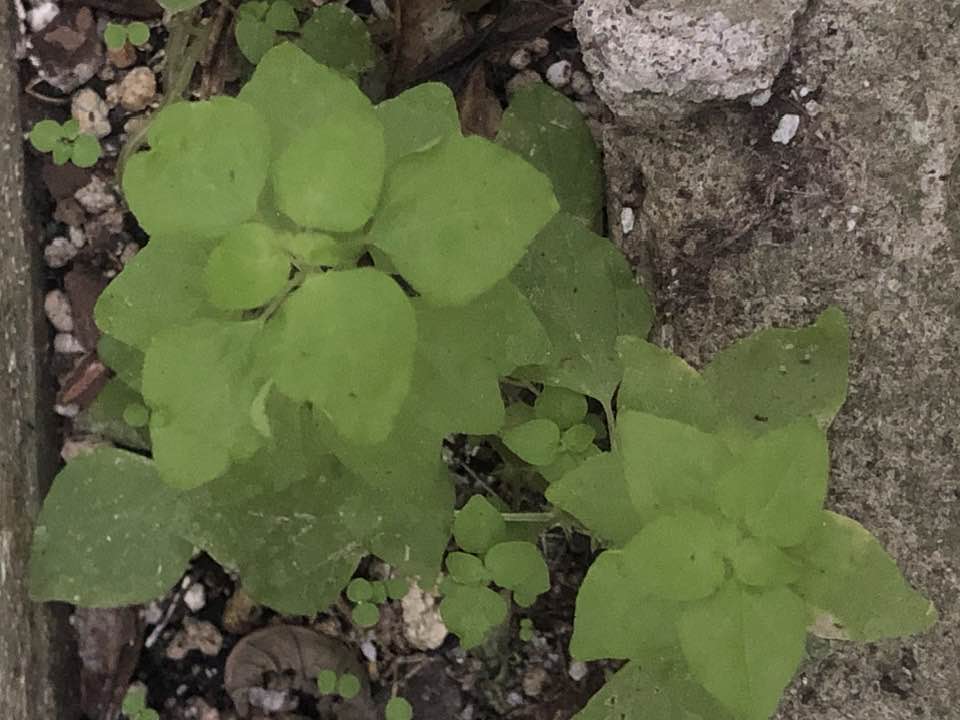
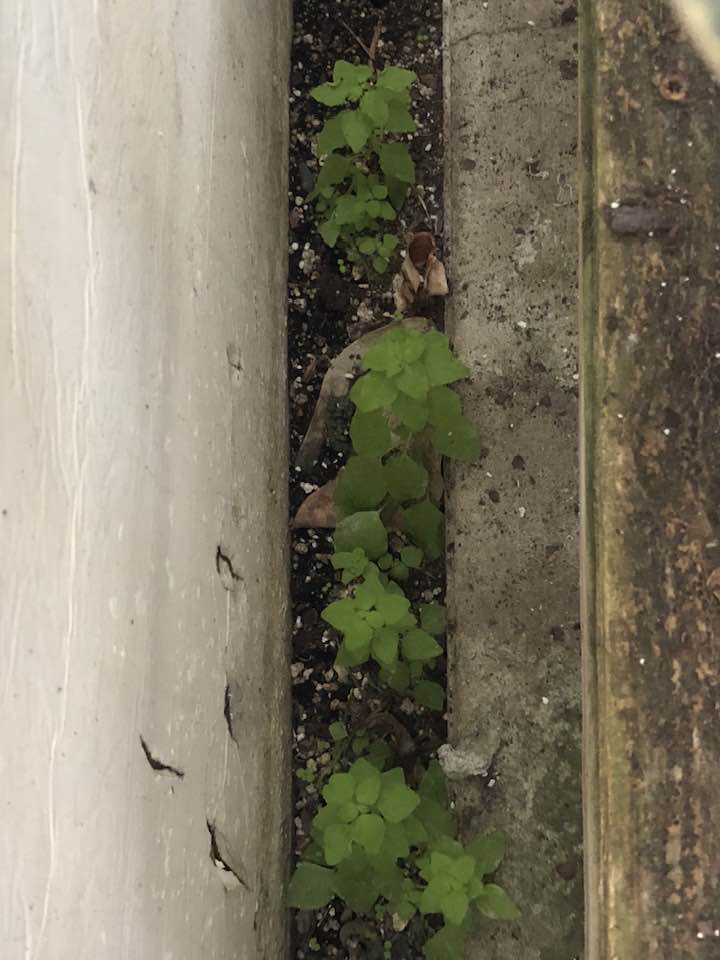
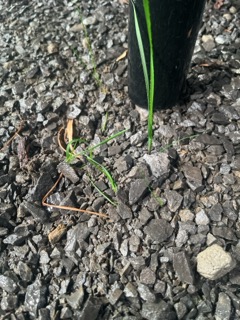
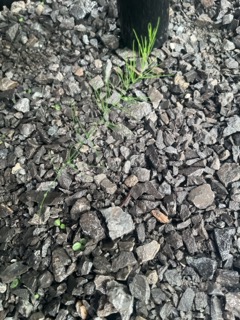
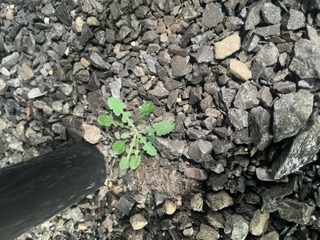
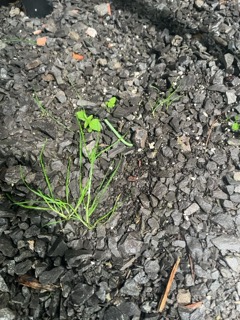
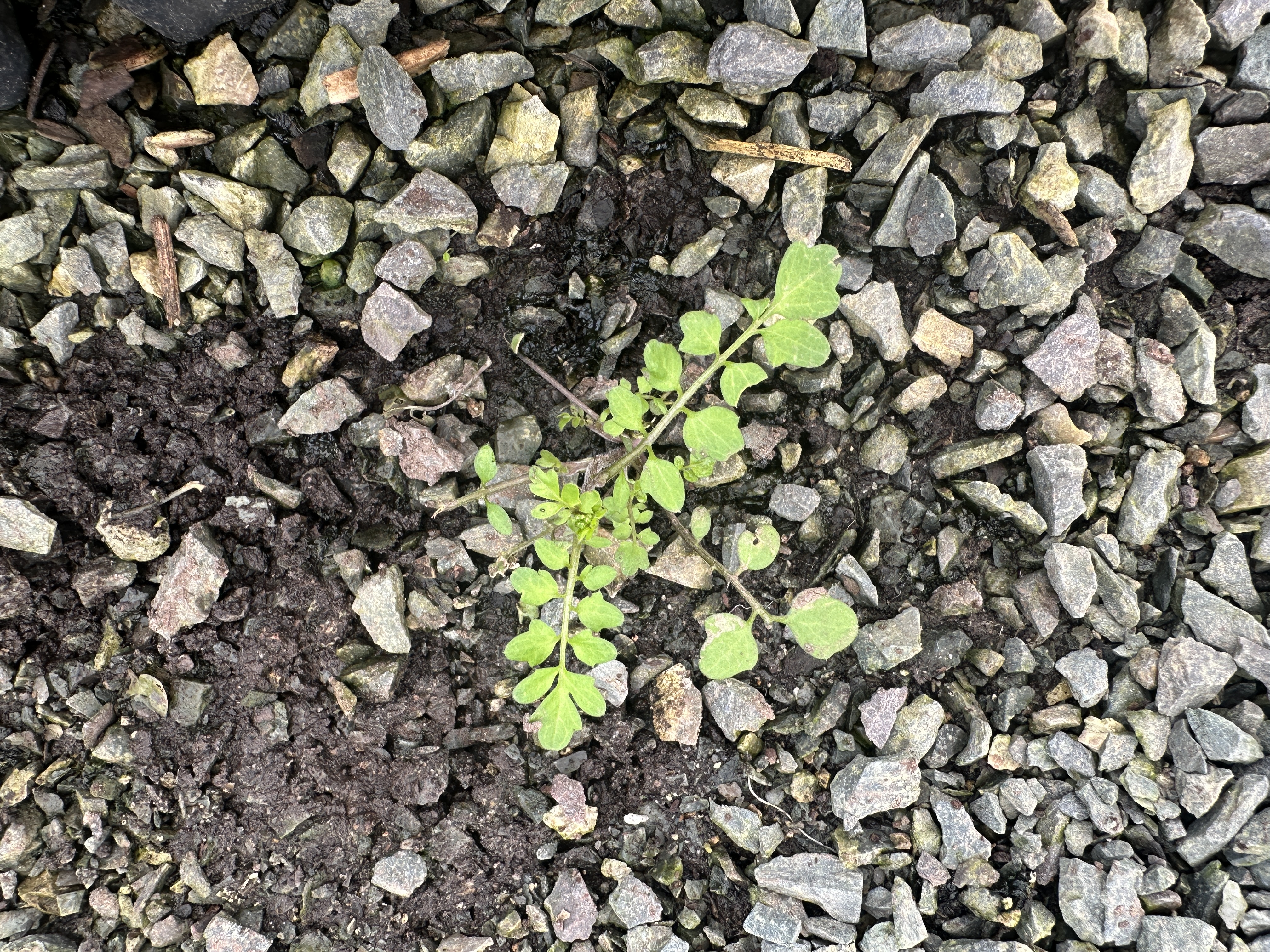
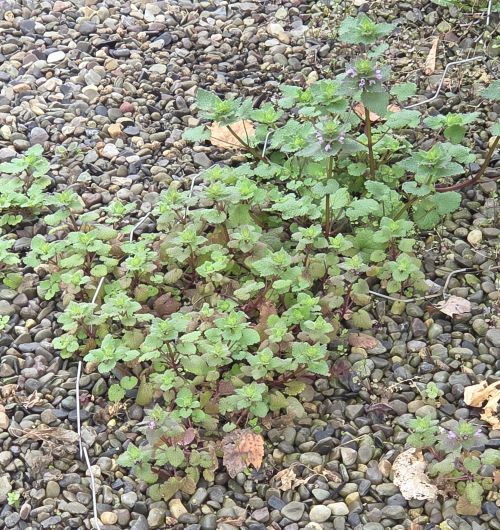
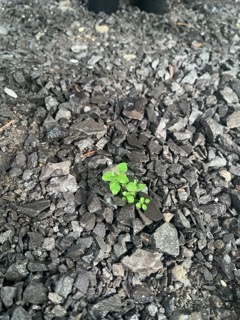
Overhead shot of weed in greenhouse at edge of concrete floor.Here is the rest of my assignment:

Sticky card results:


Location

Fungus gnats

Unknown fly

Card #1 in Ficus lyrata in 6” pot on a  bench.

Yellow Side

32

2

Card #1 in Ficus lyrata in 6” pot on a  bench.

Blue side

6

1

Card #2 in a Ficus elastica ‘Ruby’ in a 12” pot on a bench.

Yellow side

16

0

Card #2 in a Ficus elastica ‘Ruby’ in a 12” pot on a bench.

Blue side

6

0


I have placed out two new sticky cards:

  • One card in a “pet plant” pathos in the original greenhouse that I am monitoring.  The plant vines up and over a doorway that leads to an adjacent greenhouse.

  • One card placed horizontally in a large potted fern in an adjacent greenhouse where I saw a fungus gnat circling on a previous visit.


Potato update:  no larva or other pests found.  


I have placed new potatoes in three new locations

  • One slice in a “pet plant” in the greenhouse that I am monitoring.

  • One slice in a fern in an adjacent greenhouse where I saw a fungus gnat adult fly by during my last visit.

  • One additional slice in another fern in that same adjacent greenhouse on a different bench where I saw a fungus gnat circling during a previous visit.


Weed update:


I found seedlings of several of the houseplants that are being grown in the greenhouse.  The seedlings tend to grow in the soil at the edge of the concrete floor where the floor doesn’t quite meet the wall.


I also noticed lots of algae on the stairs that lead customers between two greenhouses.  This causes a slippery area that is a safety concern, and it may also be an area for shore flies, fungus gnats, and drain flies.


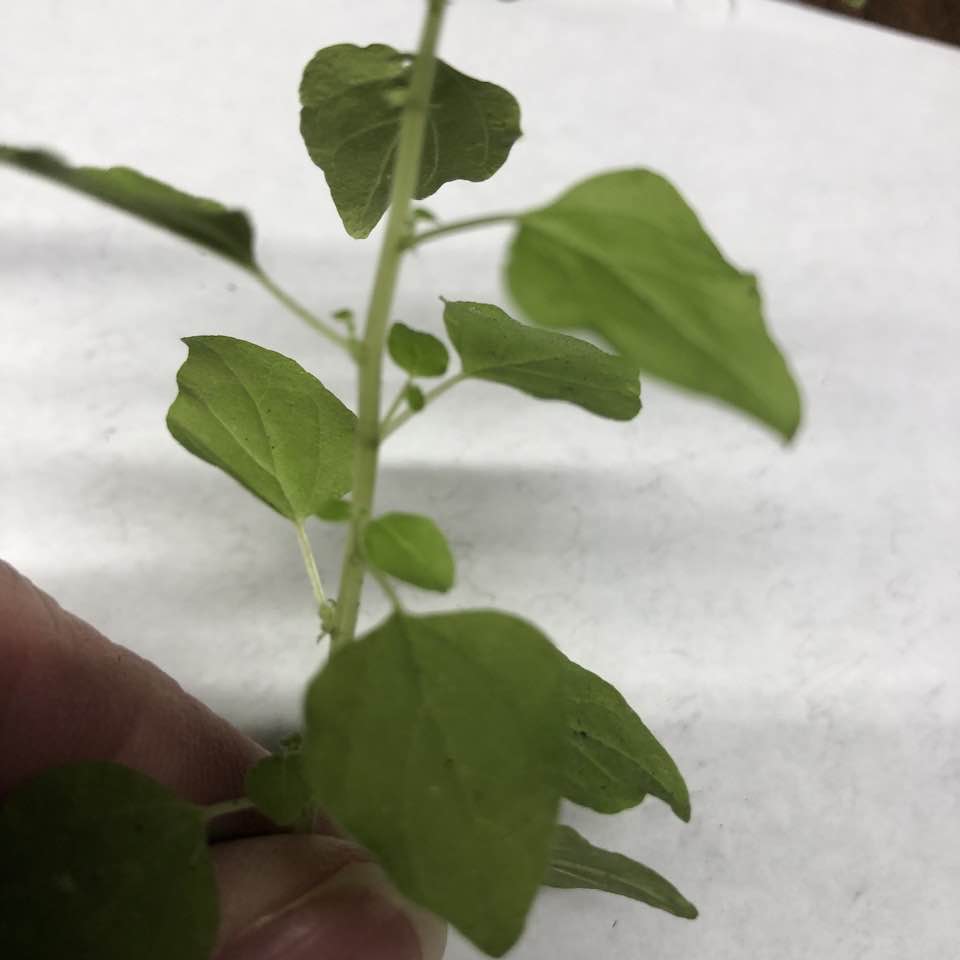
I found some weed seedlings in the soil behind the benches closest to the sidewalls where the concrete floor stops.  My first guess at identification is lambsquarter, but I am not sure.


Weed seedling on edge of concrete greenhouse floor.

Anexo Fly on sticky card.jpg
Anexo Fly on yellow sticky card.jpg
Anexo Fungus gnat on sticky card.jpg
Anexo Weed stem and leaves.jpg
En respuesta a Amy Howansky

Re: Week 4 Assignment

por John Sanderson -
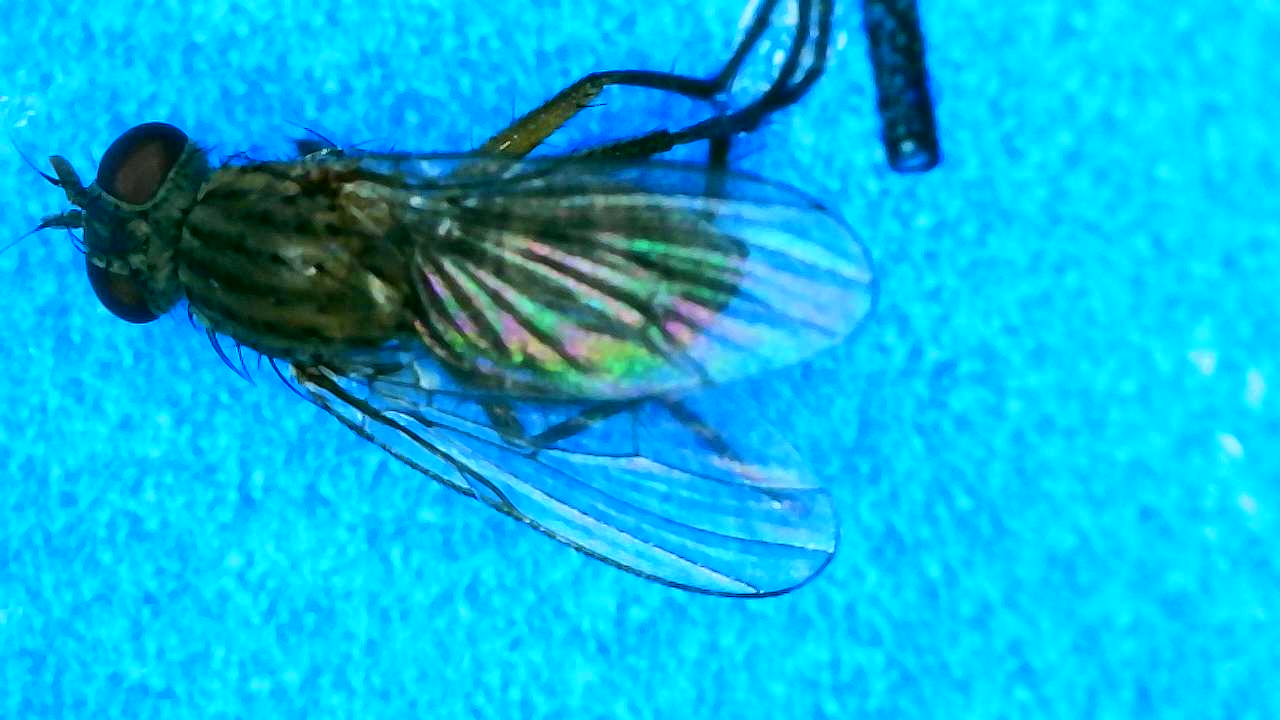
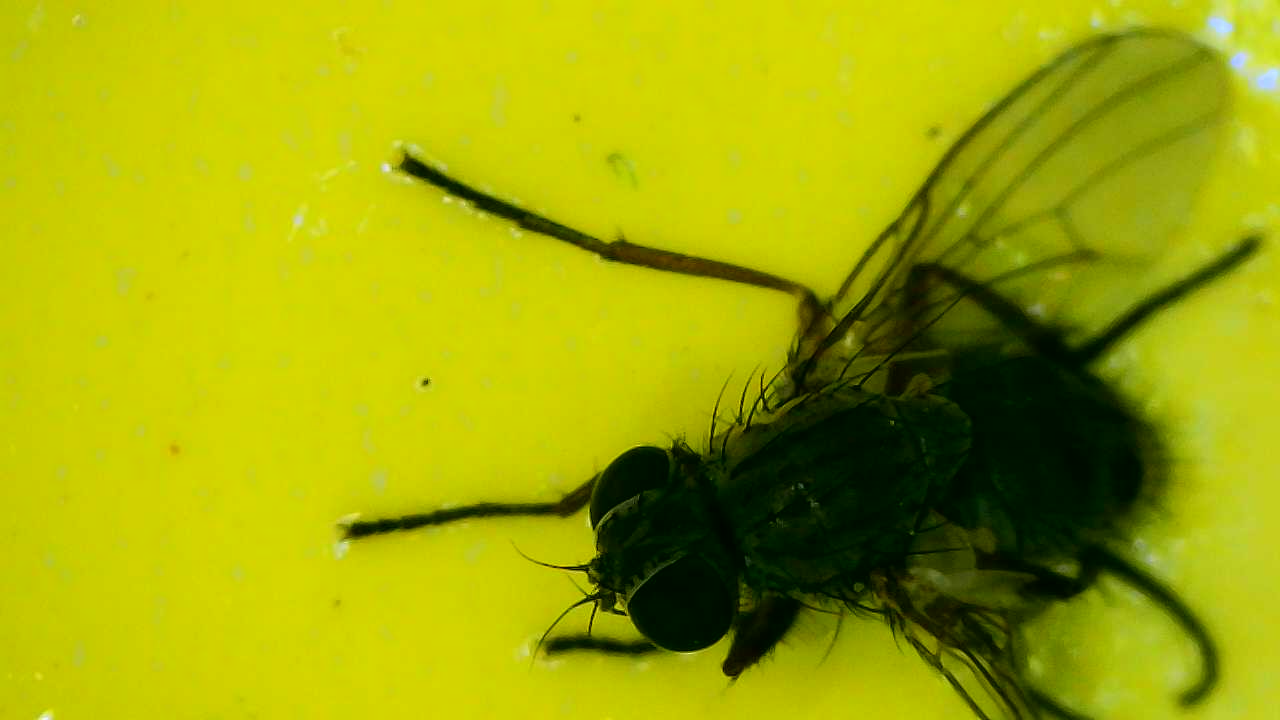
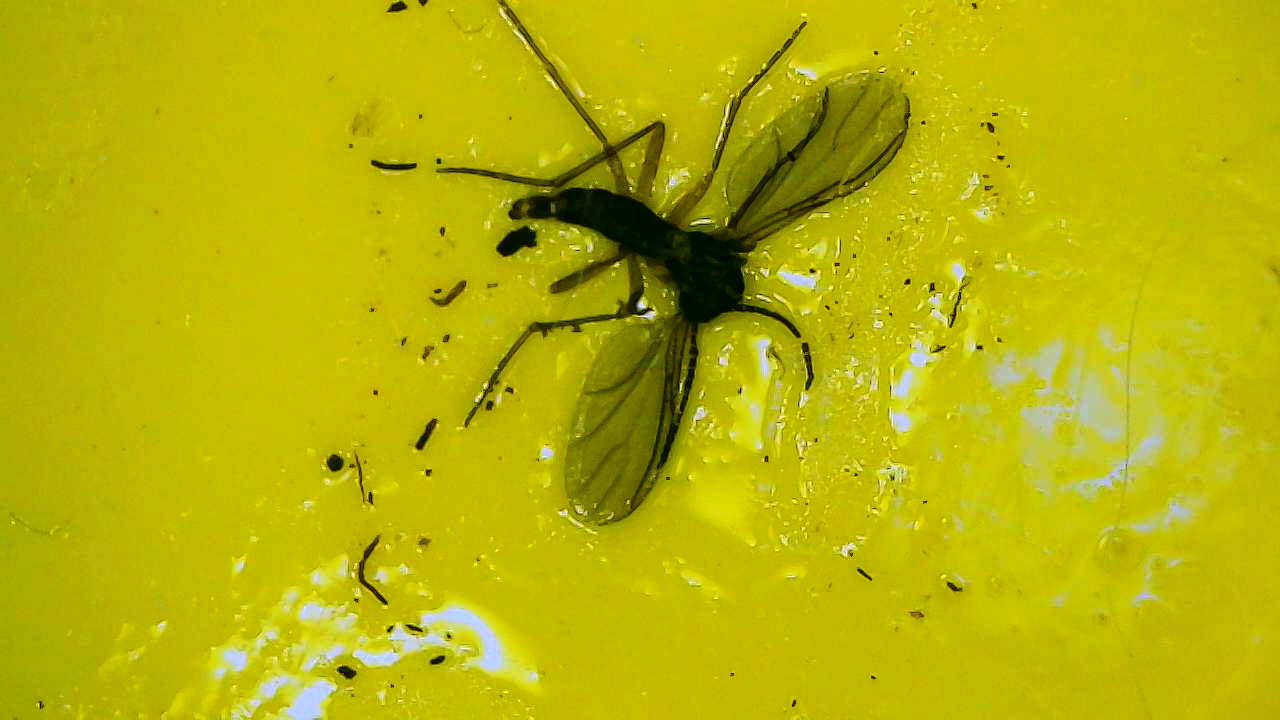
I'm not sure about what fly species you've photographed on the blue and yellow traps, but they could be hunter flies. The fungus gnat on the yellow trap is perfectly displaying its Y-shaped wing veins!
En respuesta a Primera publicación

Re: Week 4 Assignment

por Tiffany Donaldson -
Nothing new on the sticky cards, but I did replace most of them, as well as add a few more. 

We have seemed to eradicate the aphids on the fuchsias by using soapy water, as well as cutting the one back hard. This was done 2 weeks ago and then monitored for an additional week. The healthiest of the 2 was moved back to the admin foyer and the other one is being held onto for scouting practice. It is not infested, but it does not look so pretty since I gave it a haircut. 

The geraniums seem to be doing well. Only 1 new fungus gnat was found on the blue side of the sticky card. 

In my coleus room, I added 3 more small sticky traps that are meant for houseplants. I watered everything today, so I am wondering if I will have an uptick on trapping this coming week. 

The only resource I have read outside of this class relating to pest management has been the Pesticide Applicator Certification Training Manuals. These books are very dense, but informative! The 3a category manual has a lot of colored pictures of pests and diseases you may find on your outdoor plants. My main career focus is planting native species, so one book I really enjoyed reading was Butterfly Gardening - Creating Summer Magic in your Garden by the Xerces Society / Smithsonian Institute. I learned so much about native plant gardening in this book. It talks about which plants may attract certain butterflies and moths, and how to build a garden for them. I can't wait to incorporate this information into some garden beds this year!
En respuesta a Primera publicación

Re: Week 4 Assignment

por Shawn Jenkins -
Week 4 update:
Sticky card show an increase in thrip activity but not a huge increase in numbers. fungus gnats have gradually subsided after my drying out and treatment of the greenhouse 4 weeks ago, but I suspect both of these variable to increase in coming weks due to influx of new plant material being introduced into greenhouse as well as student learning curves (watering practices, sanitation).

my local extension office is Cornell Cooperative extension of Madison County which is located across the steet from the college in Morrisville. We collaborate with them periodically with their master gardeners class and other events.

I dont have any particular resource I use, I do scour the internet for specific information, but I do subscribe the Northeastern Pest Management Center for informantion and localish industry updates.

Not any weeds in the greenhouse to speak of as sanitation is one of my biggerst issues for preventative practices and I have already removed any weeds that might have been present over the holiday break. I do however deal with english Ivy which is growing outside the greenhouse and infiltrating the cracks it can find into the grenhouse, creating avenues for all my pesty friends.
En respuesta a Shawn Jenkins

Re: Week 4 Assignment

por Elise Schillo-Lobdell -
Shawn, with thrips it often seems like their numbers are just gradually creeping up and then - wham - there is an exponential increase. If you are planning on controlling them with beneficial insects it’s good to start applying them when the thrips numbers are low (making sure you’ve waited long enough since the last pesticide application), partly because there is a lag time between when you order them and when you actually get them applied to the crop. If you wait until you think the thrips numbers warrant some action you may miss the window of opportunity.
En respuesta a Elise Schillo-Lobdell

Re: Week 4 Assignment

por John Sanderson -
Part of the reason you may see a sudden explosion of thrips is twofold. First, explosions often occur when temperatures begin to increase because most insects, including thrips, are cold-blooded so they develop faster and lay more eggs in warmer temperatures. Second, they often are pollen eaters, so when flowers begin to bloom, the thrips have access to pollen. A female Western flower thrips feeding on pollen will lay FOUR times as many eggs as one feeding only on foliage. And flowers often bloom with warmer temperatures, so this combination is ideal for a thrips explosion.
En respuesta a Primera publicación

Re: Week 4 Assignment

por Ana Gourlay -
1. Nothing new on my sticky cards, but I will report that I almost lost one. I am scouting in a retail location and the plant the I had my blue card in sold. I was relieved to see that someone had the forethought to pull the card, but it was a good reminder of the importance of clear communication with the staff.

2. My local extension office is through the University of New Hampshire. https://extension.unh.edu/facility/soil-testing-insect-arthropod-id-plant-diagnostic-lab-plant-health. Unfortunately, the plant diagnostic lab is closed, but they are still very helpful when we reach out with questions. We had someone come to our location last year to give us advice on sanitation, fertilization and lighting. They also have a wealth of online resources that we use.

3. I wanted to share this with the group. This is a kind of "train-the-trainer" video for watering in the greenhouse that really helps break down all of the things a waterer should be aware of. https://media.unh.edu/media/Train%20Employees%20to%20Water%20Correctly!/1_hzxdrwg4

4. I'm currently scouting in a retail building. We don't have weeds, but we do have lots of pet plants. (Multiple houseplants in the office, mother plants that were brought in for propagation and then neglected, etc.) I am now including these plants in my scouting and removing ones that will not be missed.
En respuesta a Ana Gourlay

Re: Week 4 Assignment

por Tiffany Donaldson -
Ana,
Thank you for sharing the "train-the-trainer" video. It is really hard to translate watering techniques to new employees, and this video did a great job of explaining the 'how' and the 'why'!
En respuesta a Primera publicación

Re: Week 4 Assignment

por John Miller -

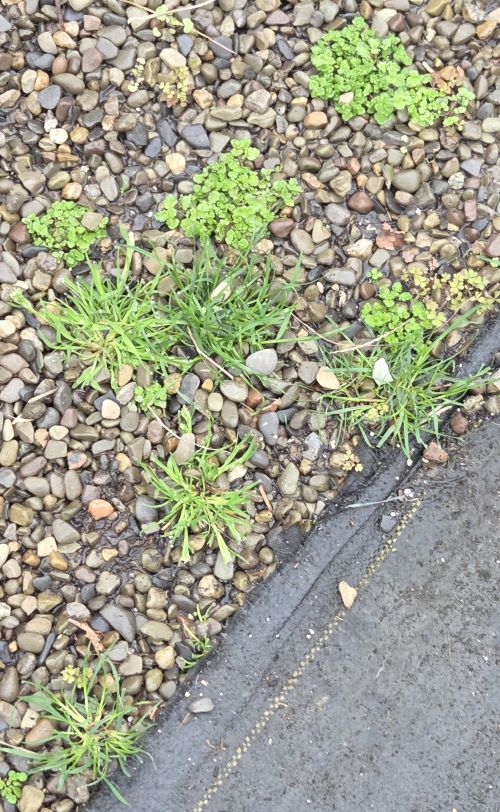
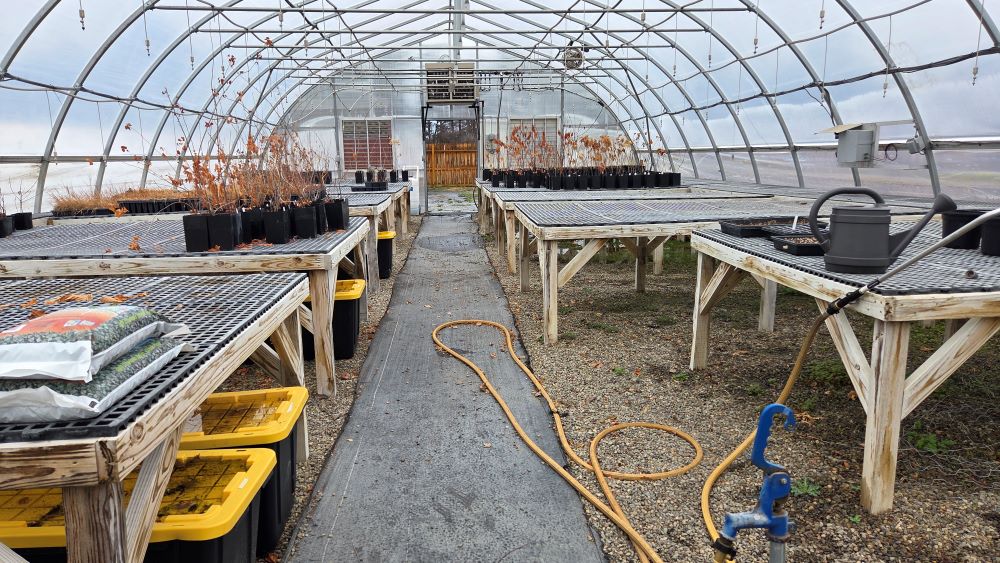
Here are the weeds growing under the tables: annual bluegrass, Chickweed, Common sowthistle, and asparagus. This is kinda surprising because it's a new greenhouse and has 18" of fresh, clean gravel as its floor. I would imagine that most of the weed seeds came in on shoes during the muddy construction season last year. 

Anexo IMG_3857 Small.jpeg
Anexo IMG_3858 Small.jpeg
Anexo IMG_3859 Small.jpeg
Anexo IMG_3860 Small.jpeg
Anexo IMG_3861 Small.jpeg
En respuesta a Primera publicación

Re: Week 4 Assignment

por Ryan O'Connor -
Evening everyone!
1) Regarding my yellow sticky cards, I'm finding that I seem to have less fungus gnats (maybe because of my nematode application?!) but catching more of my good guys (colemani) that I have been releasing regularly. I know catching some good guys is inevitable but on one of my cards in particular their was a decent amount of parasitic wasps, which makes me wonder if I should just remove the cards all together?

2) My local extension is Grand Traverse County Extension office (https://www.canr.msu.edu/grand_traverse/county-extension-office).

3) Michigan State has good IPM info (https://www.canr.msu.edu/ipm/). I've also found that UCONN (https://ipm.cahnr.uconn.edu/) has a lot of good stuff. Lastly, I recently found the pest report through MOFGA (https://www.mofga.org/farmer-resources/pest-reports/) which is nice. And of course Cornell is a great resource!

4) The majority of our weeds are around the perimeter of our greenhouse and it is almost always quackcrass. We also get some liverworts around the edges of our greenhouse where it tends to stay more wet and doesn't dry out as much. E.g., by our irrigation hydrants.

Cheers,

Ryan
En respuesta a Ryan O'Connor

Re: Week 4 Assignment

por Elise Schillo-Lobdell -

Hi Ryan, Just a few thoughts regarding catching beneficials on your sticky cards: 1) you could try switching to blue cards which would be slightly less attractive to your parasitic wasps 2) you could try moving your sticky cards to other locations in the house to see if there are some locations where you are not catching as many of the good guys 3) you could reduce the number of cards you put out - but I wouldn’t remove them completely (except for maybe the day you release new beneficials) - because you still want to be able to catch any new infestations as early as possible - and - sad as it is - catching the good guys does let you know they are (or were) alive and doing their job.  Also - if you are finding a lot of beneficials in a particular location that can alert you that there might be an infestation right around there that they are attracted to.  Search that area very carefully.

As for liverworts - do not let them get a foothold in the greenhouse - they can be very difficult to get rid of.

En respuesta a Elise Schillo-Lobdell

Re: Week 4 Assignment

por John Sanderson -
Good advice, Elise. Ryan, when adult wasps are first released they are very unsettled and fly around more than after they've been in the greenhouse for a day or so. So maybe take the cards down for 24 hours after releasing the wasps. If you're not releasing adults but instead are putting out aphid mummies from which the adults have not yet emerged, then I suspect that you'll see fewer on sticky traps as the adults will emerge more slowly over time. Also, if releasing adults, be sure the nearest trap is more than 20 feet away, and release them under/inside the canopy rather than sprinkling them over the top of the canopy.
En respuesta a Primera publicación

Week 4 Assignment

por Mary Taylor -

1. Nothing new on the sticky cards this week, same general number of each insect, the most being fungus gnats followed by drain flies

2. https://web.uri.edu/coopext/services/pdl/

URI plant diagnostics lab

3. I have been playing around with this website. https://ipm.ucanr.edu/home-and-landscape/plant-problem-diagnostic-tool/?action=A&actionKey=4&menuSelection=1&plantTypeKeyList=&plantNameKeyList=&plantPartKeyList=&plantDamageTypeKeyList=

4. There are endless amounts of weeds around the greenhouse since there are many parts of the greenhouse with dirt floors or cracks. I’ve found endless amounts of oxalis as well as bittercress. I found some whitefly in the oxalis. The weeds were located under benches. 

En respuesta a Mary Taylor

Re: Week 4 Assignment

por Elizabeth Lamb -
Aha - why we suggest scouting the weeds, too (in the process of getting rid of them we hope)! I've never played with that diagnostic site. Thanks!
En respuesta a Primera publicación

Re: Week 4 Assignment

por Joseph Moreno -
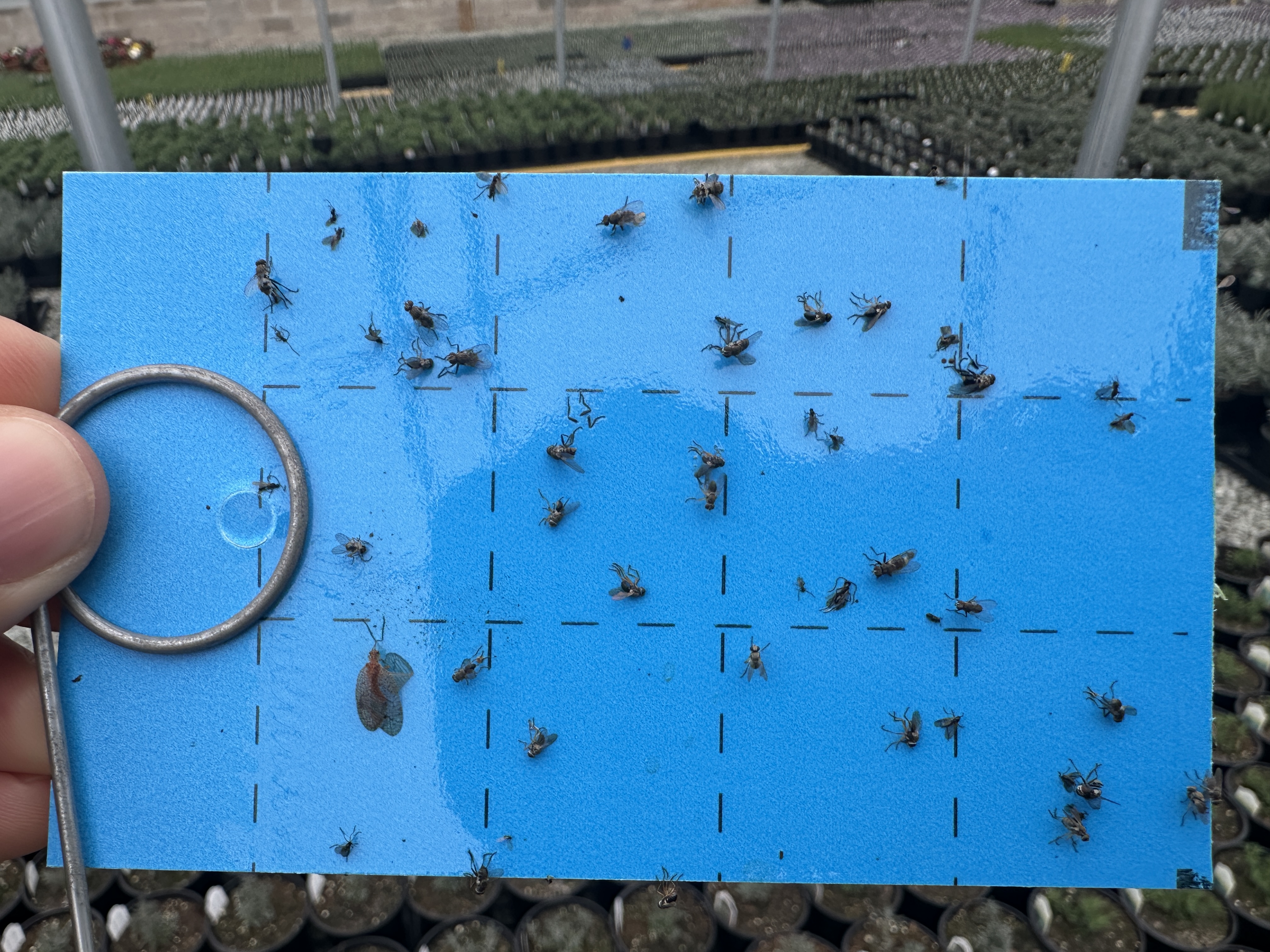
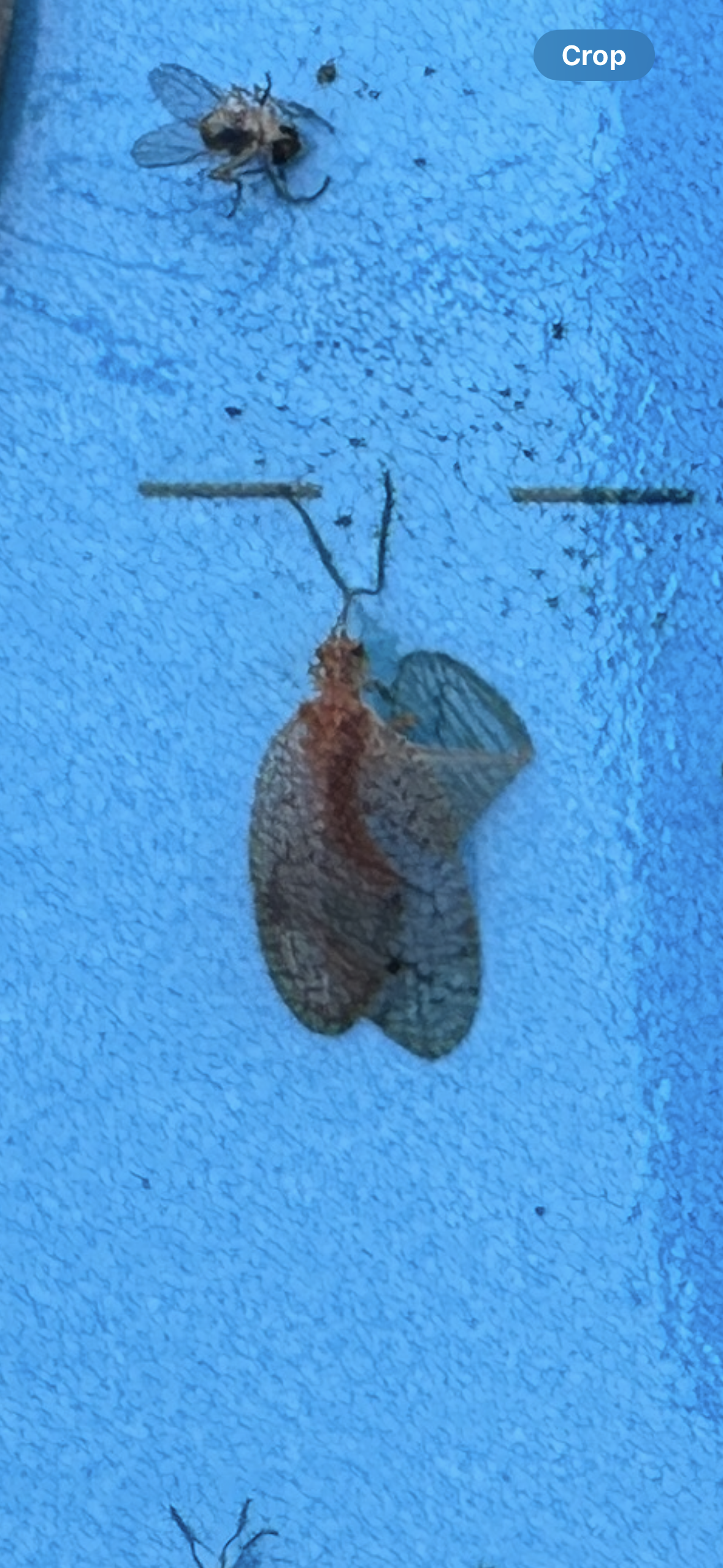
1. The only thing that I found on my sticky card on the blue side was one insect that to me looks like some kind of a lacewing. I will attach a photo incase one of you guys can ID it. Other than that, there was definitely a big increase in the amount of fungus gnats and shore flies. I attribute this to time. The first time I checked they had only been placed for 3 days. This time I checked it had been 12 days since placing the stick traps.


2. My local extension office is: https://durham.ces.ncsu.edu/ and my university diagnostic lab is the NC State Plant Disease and Insect Clinic: https://pdic.ces.ncsu.edu/. I have experience sending samples to the NC State PDIC lab through my job and they can be hit or miss. They are good at helping ID if there is a biotic issue going on with a sample. However, if there is a abiotic issue they really can't help. So in that instance I often send the samples to the North Carolina Department of Agriculture and Consumer Services lab to do a plant tissue analysis. Both are good tools and help me to identify issues that I'm not certain about or familiar with.

3. I have found resources like eGro, the NC State extension website, and the PDIC lab to be the most helpful. I wish there was a resource where I could search through images of all the different species of insects, fungus, and abiotic diseases in my region to help me identify things that come up on our crops. If you guys have ever used something like that please share , I'd love to check it out!

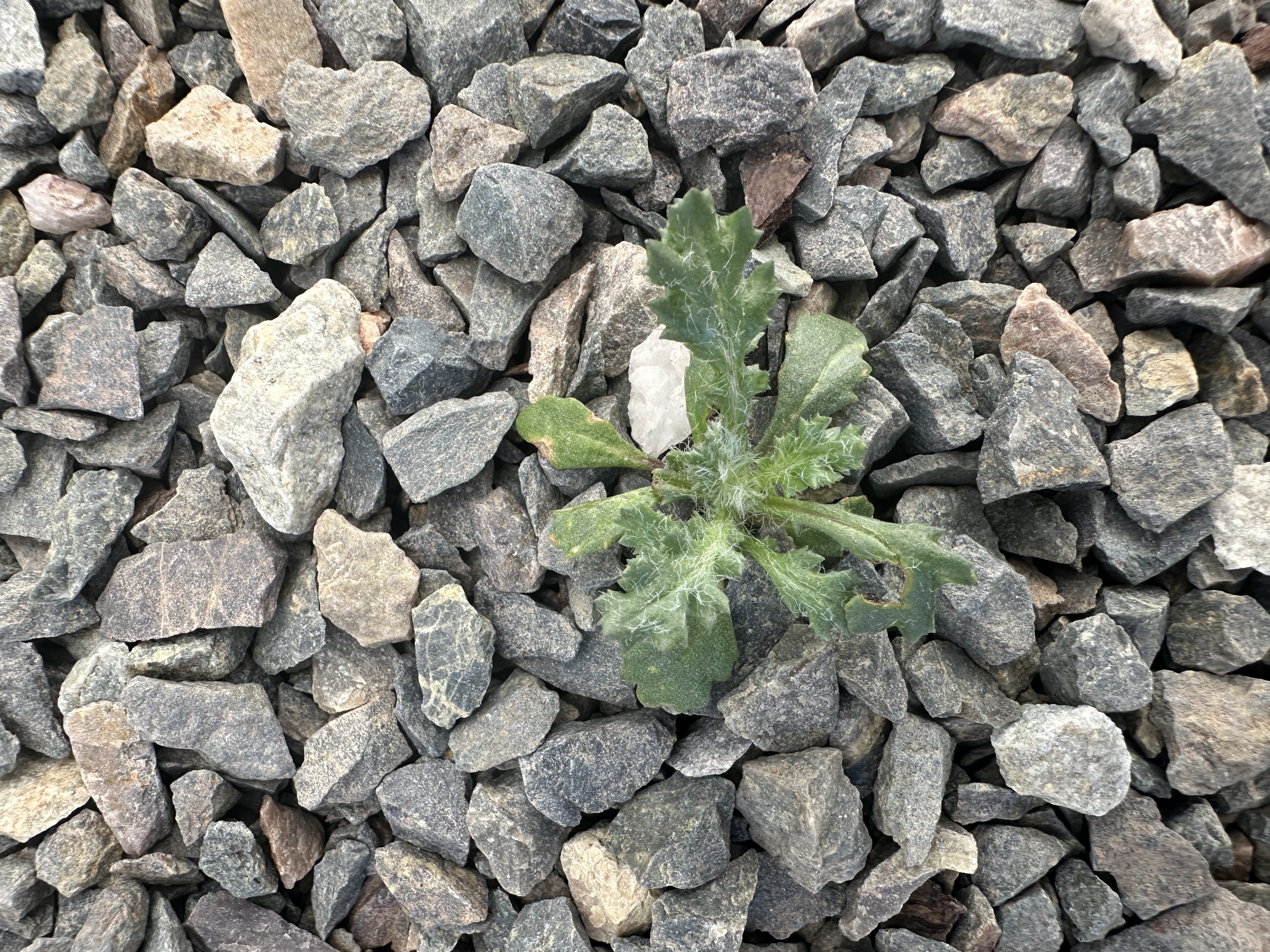
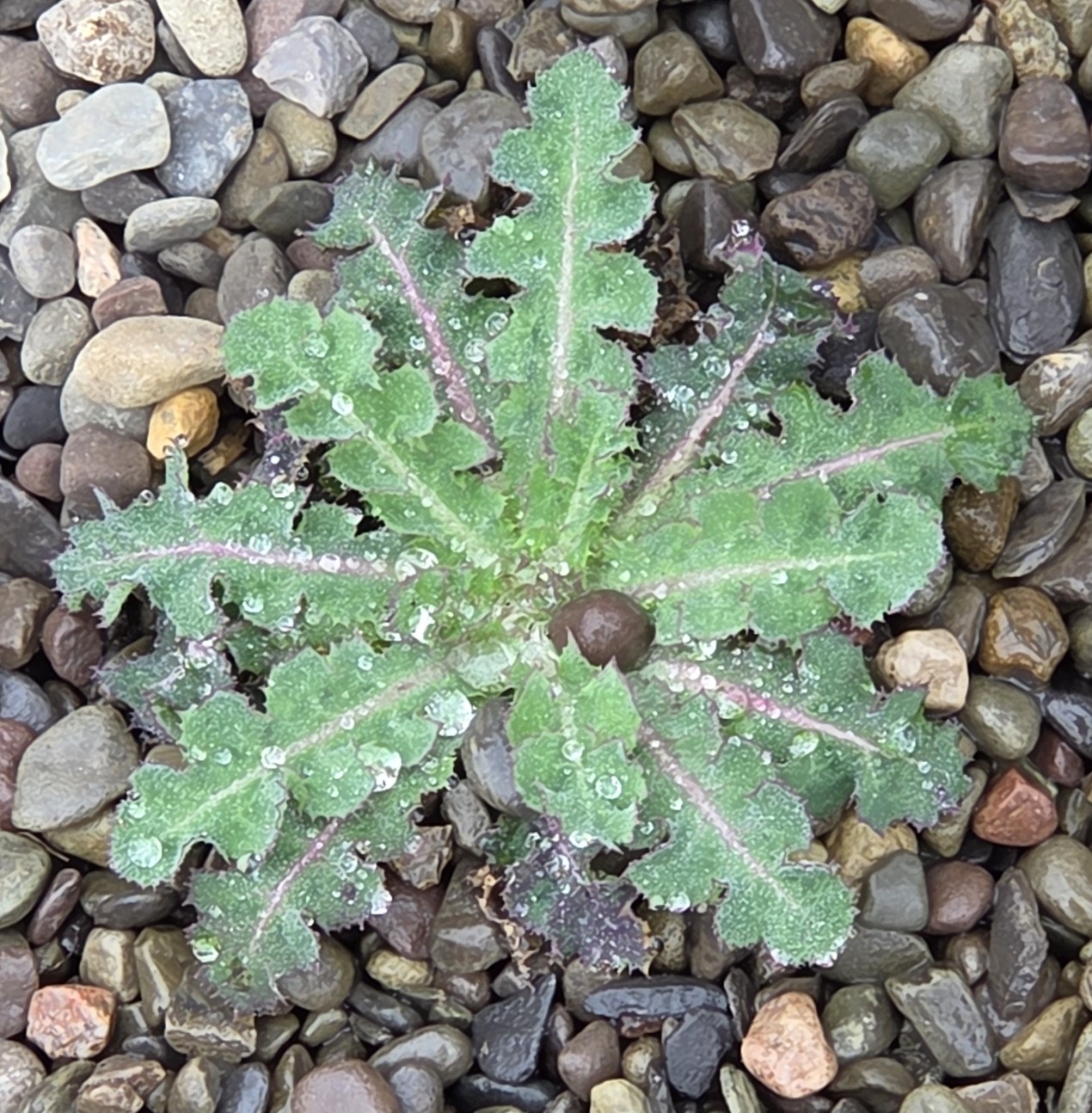
4. These are the two weeds that are the most common in our green houses. Are you guys familiar with them?

En respuesta a Joseph Moreno

Re: Week 4 Assignment

por Elise Schillo-Lobdell -

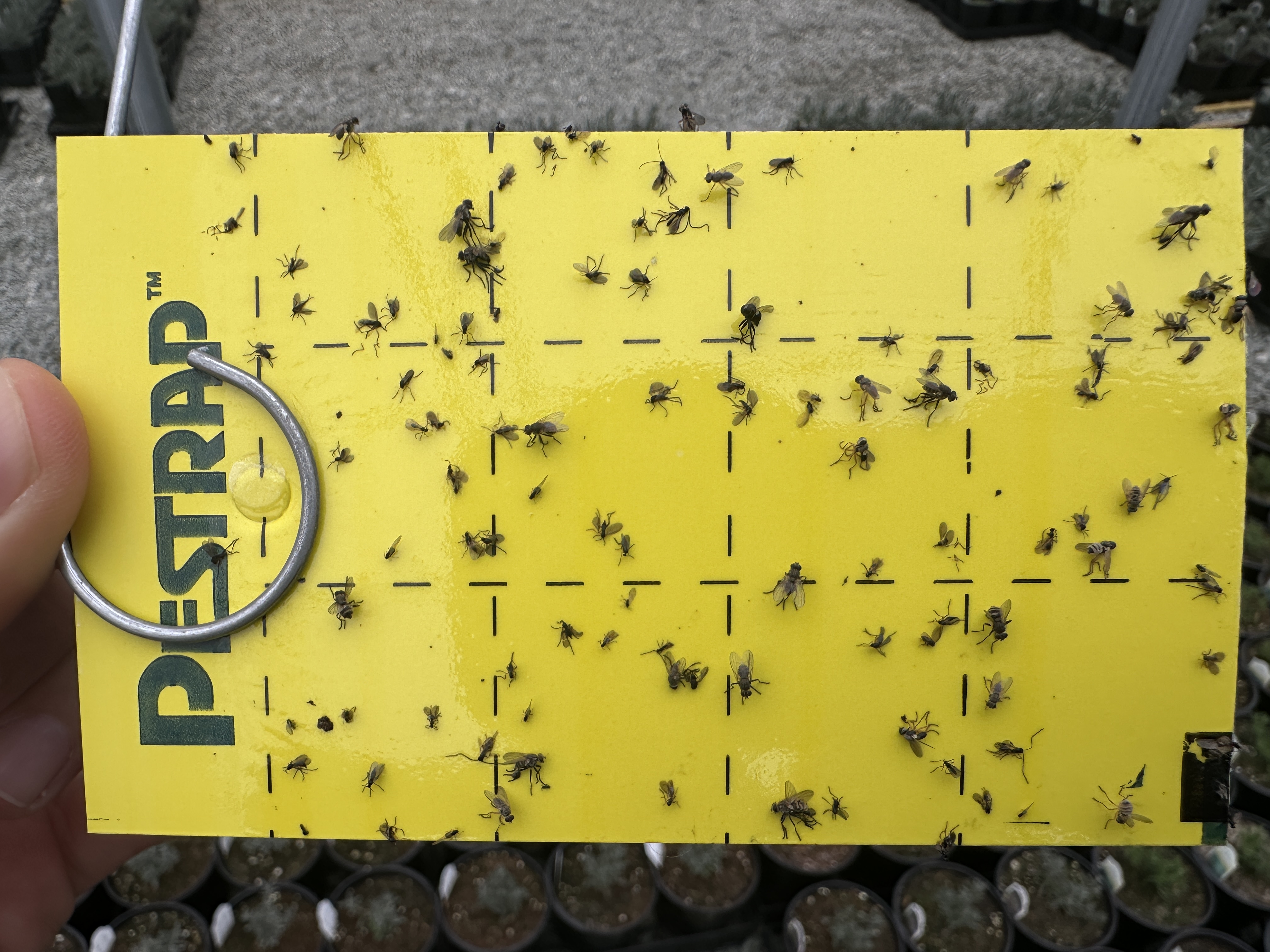
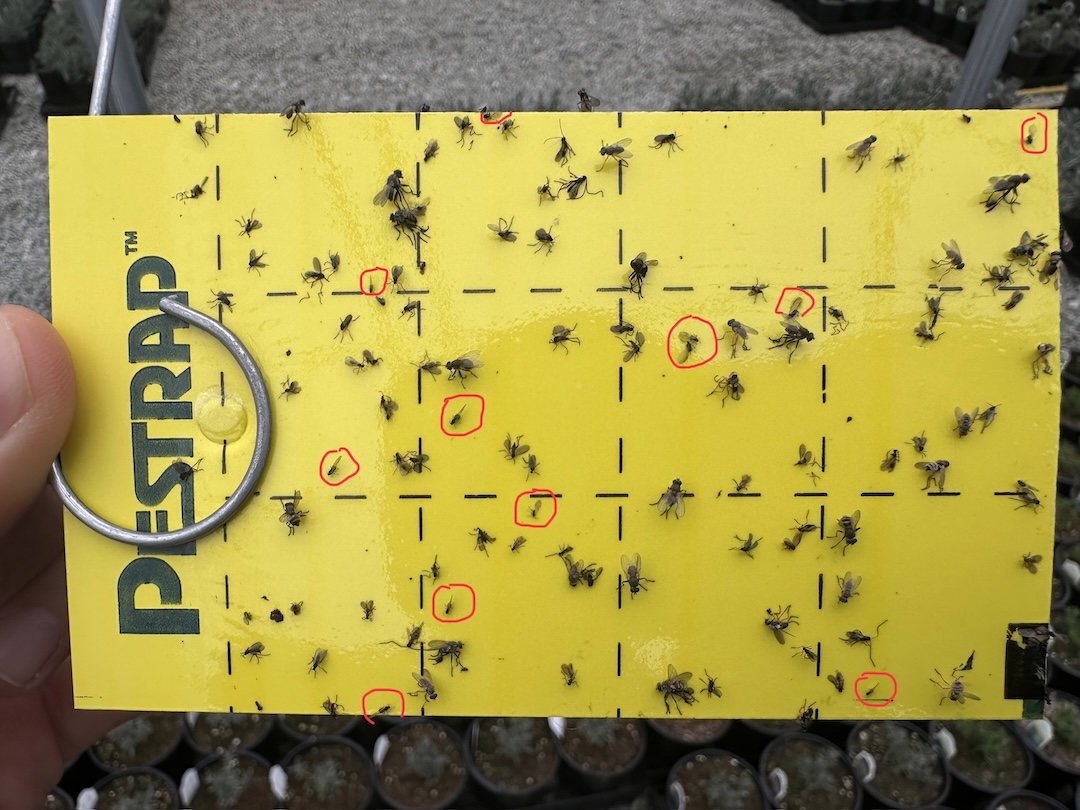
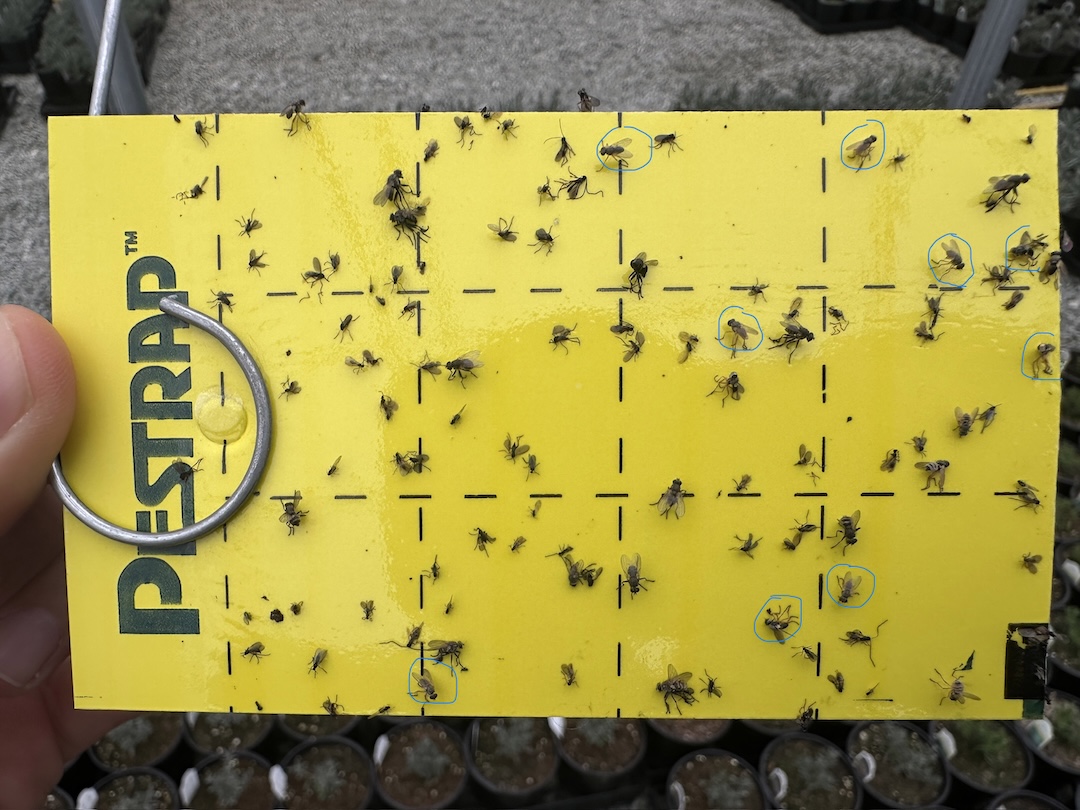
Hi Joseph - this isn’t addressing your questions but I wanted to let you know that you are trapping out a lot of Hunter flies (good guys!) so you may want to move your card to a different location in order to protect them.  Also, there are some winged aphids on your yellow card so you should be searching for the source of those.

En respuesta a Elise Schillo-Lobdell

Re: Week 4 Assignment

por Elizabeth Lamb -

Elise circled the winged aphids in red

Anexo Winged aphids in red circles.jpeg
En respuesta a Elizabeth Lamb

Re: Week 4 Assignment

por Elise Schillo-Lobdell -
Joseph - I was impressed that you have no thrips - how did you manage that? The reason I only circled the male hunter flies is that it is easier (for me at least) to see the difference between them and everything else. The females are slightly bigger & darker, I’d have to look at the card closer to make sure they aren’t a shore fly or something else.
En respuesta a Joseph Moreno

Re: Week 4 Assignment

por Elizabeth Lamb -
We'll have to ask Manjot about the weed species on Thursday. the bottom one looks like a tomato and the top one, maybe prickly lettuce - although I'd have to do more checking to be sure.

John - lacewing?

And you can see the advantage of putting the date on your sticky cards - especially if someone else might be looking at them.
En respuesta a Elizabeth Lamb

Re: Week 4 Assignment

por John Sanderson -
Yes, that's a lacewing, but not the common green lacewing (Chrysopa or Chrysoperla). This is a brown lacewing (probably Micromus), which is less common, especially this time of year, at least not in the NE US. Brown lacewings are predaceous as both adults and larvae, while green lacewings are only predaceous as larvae. Brown lacewings are now available from certain biocontrol producers, but also exist in nature. It's likely that this lacewing was enjoying some of the aphids in your greenhouse before it accidentally got caught on the trap.
En respuesta a Primera publicación

Re: Week 4 Assignment

por Sathwik Manjunath -
1)Last week ,I found 31 thrips from 2 sticky cards, and 7 fungus gnats.This week the number has increased a lot to 67 thrips on blue side of the card for 2 sticky cards and 61 on the 2 yellow sticky card.
2) Local extension office Cornell University, Cooperative Extension
3)Was not able to find any weeds in the green house .
En respuesta a Sathwik Manjunath

Re: Week 4 Assignment

por Elizabeth Lamb -
Sathwick, you are lucky to have faculty at hand being on the campus and there are a lot of us in Extension. There is also a county Extension office in Ithaca that you may not have had a chance to visit yet.
En respuesta a Sathwik Manjunath

Re: Week 4 Assignment

por Elise Schillo-Lobdell -
Did you see thrips or thrips feeding damage on nearby plants?, with that many on the cards the source is probably pretty close-by. Is anything being done to control the thrips?
En respuesta a Primera publicación

Re: Week 4 Assignment

por Amy Howansky -
For the last part of the assignment:

Have pest numbers been rising or falling? 
The numbers that I have COLLECTED have been rising. I don’t know if that means the actual total numbers have been rising. I changed the location of the sticky cards to an area where I saw active adults fungus gnats flying, so I collected more on the sticky cards there.

How can I change my system? 
I can continue to monitor in both areas, AND place cards in a third area away from the first two. This may tell me if pests are localized to certain plant genera/species of if they seem to be across the entire greenhouse.

Amy
En respuesta a Primera publicación

Re: Week 4 Assignment

por Grace Harper -
This week we saw a jump in pests in all of our greenhouses. The Big Greenhouse( the one I use fore the course) saw a big jump in thrips. The plants that suffered the most during this was the bacopa. All of the plants are starting to get very big and ready to be sold, so I am not really surprised in this. Also, something that was not shown on the sticky cards, was a huge jump in aphids, specifically the green peach aphids. I wasn't able to get a picture of this because my phone wasn't on me. This surge in aphids seemed to happen over night almost. What drew my eye to this aphids was I spotted something white on the calibrachoa and found out it was the aphids casts. After seeing that I started looking and the aphids were staring back at me!
Our local extension office is Stephens County Extension Office. I have never reached out told them personally, but with it being a small town I know the people that work there.
We get a lot of magazines in at work and most of them are IPM magazines and they have really good articles.
The Big greenhouse didn't have any weeds. The guys at work are amazing about getting the weeds pulled before they become a problem.